

Industry: Automotive & EV, Climate Tech
Platform: Student-led, end-to-end vehicle development (CAD, simulation, electrical and mechanical design, manufacturing, in-house assembly, testing, competition)
Use Case: Precision CNC machining, advanced materials, tight tolerances, DFM guidance to support rapid iteration and competition readiness under budget and time constraints
Results:
- 50% cost reduction on four components
- 1 month faster to first drive
- Brake test passed after prior-year failure
A Faster Track to Race Day
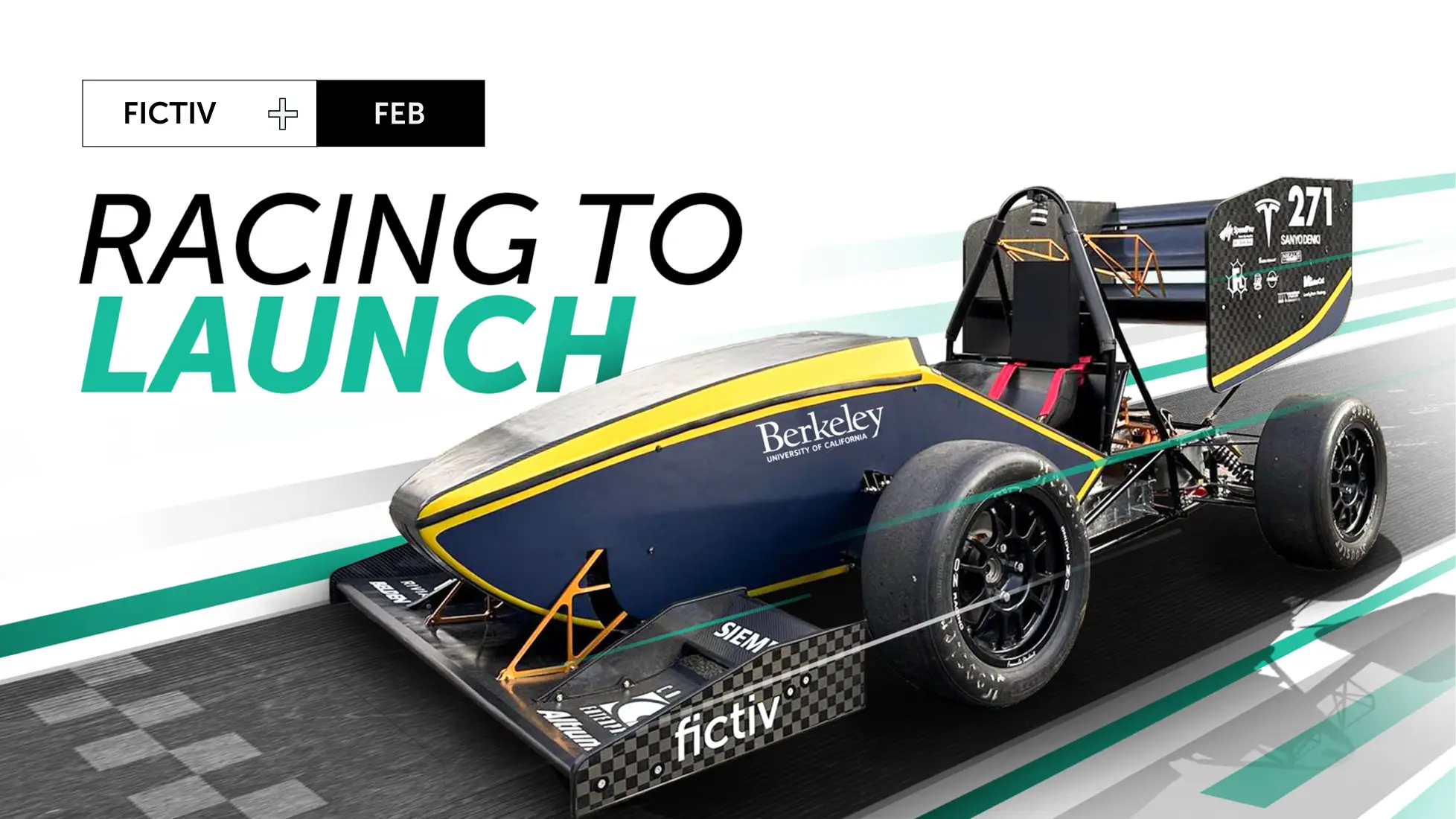
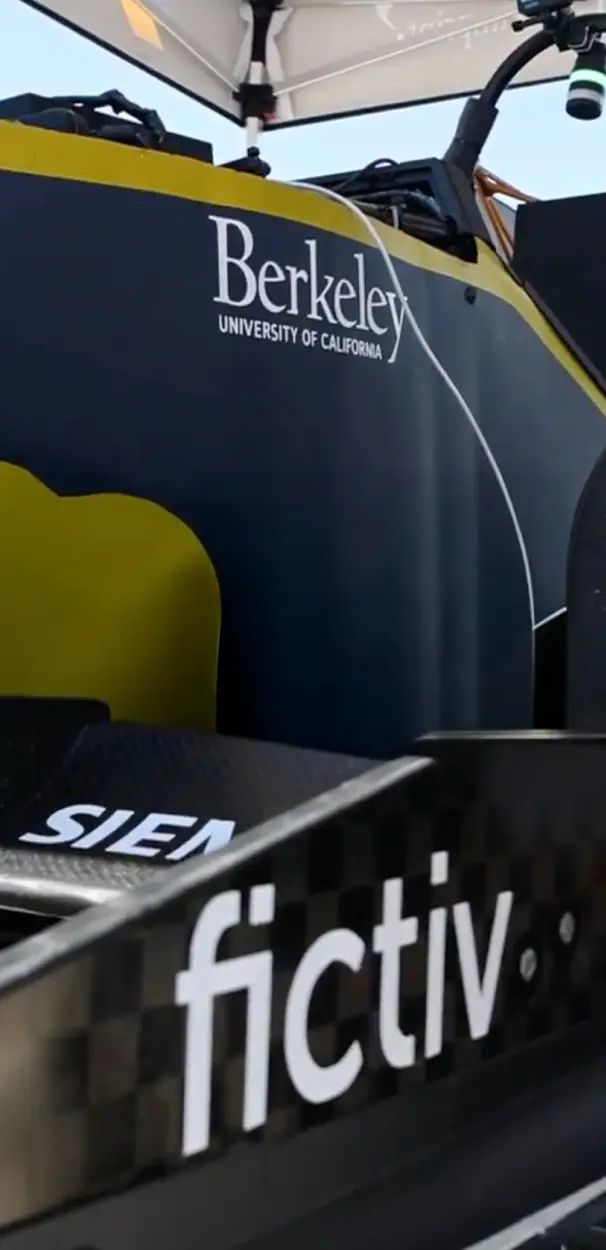
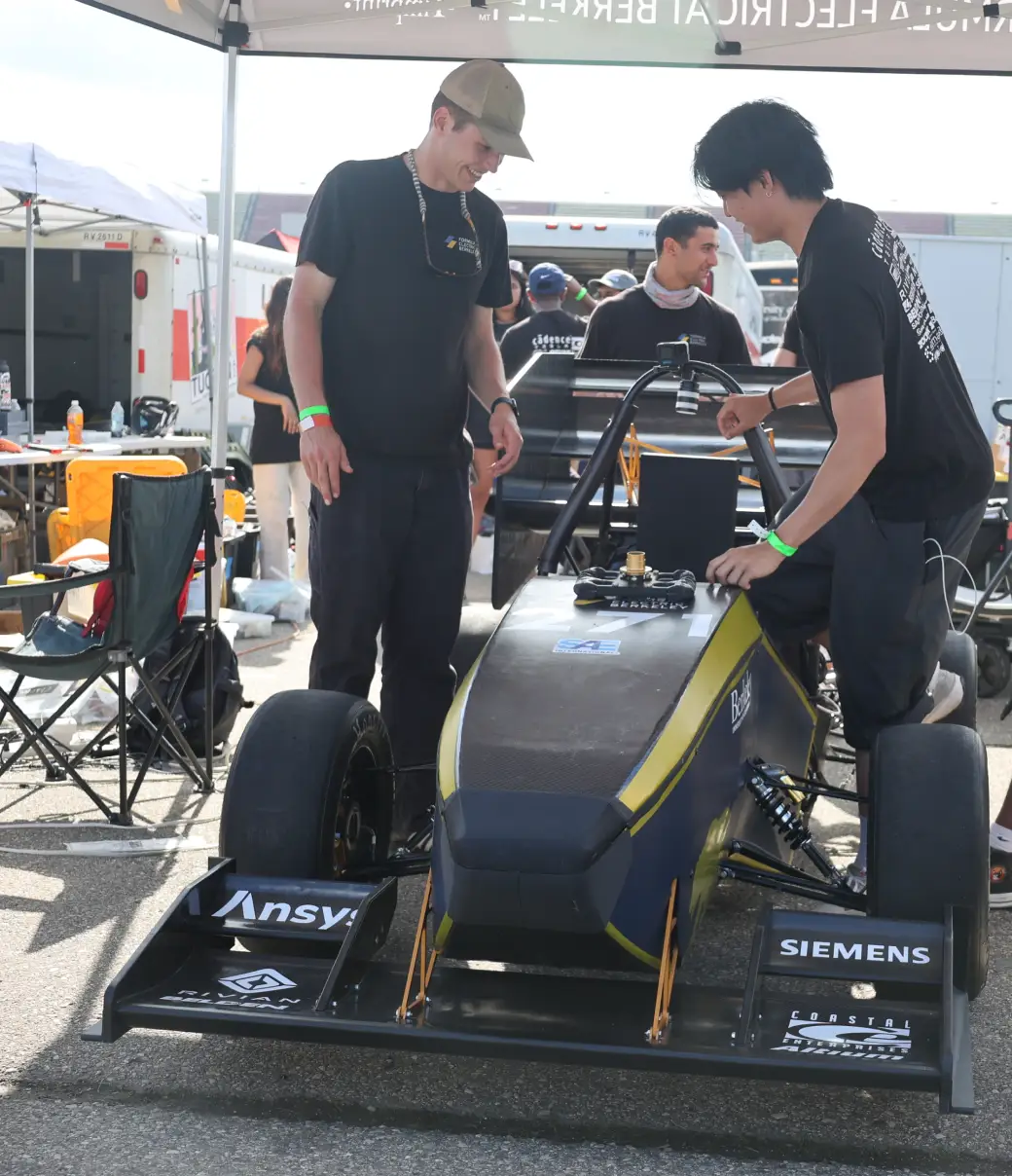
Formula Electric at Berkeley (FEB) is a fully student-run engineering team that designs and builds an F1-style electric race car from the ground up each year to compete in Formula SAE Electric.
For the 2025 season, the team faced aggressive deadlines, complex safety and inspection requirements, and limited in-house manufacturing capacity.
By partnering with Fictiv, FEB gained access to production-quality machining and engineering guidance that helped optimize designs for manufacturability, reduce costs, and deliver precision parts they could trust—putting the team on track for earlier testing and a breakthrough performance at competition.

50% lower costs
Cost reduction on 4 critical components

1 month earlier
First drive vs. previous seasons

Key milestone achieved
Successful brake test vs. last year’s setback
Meet the Team
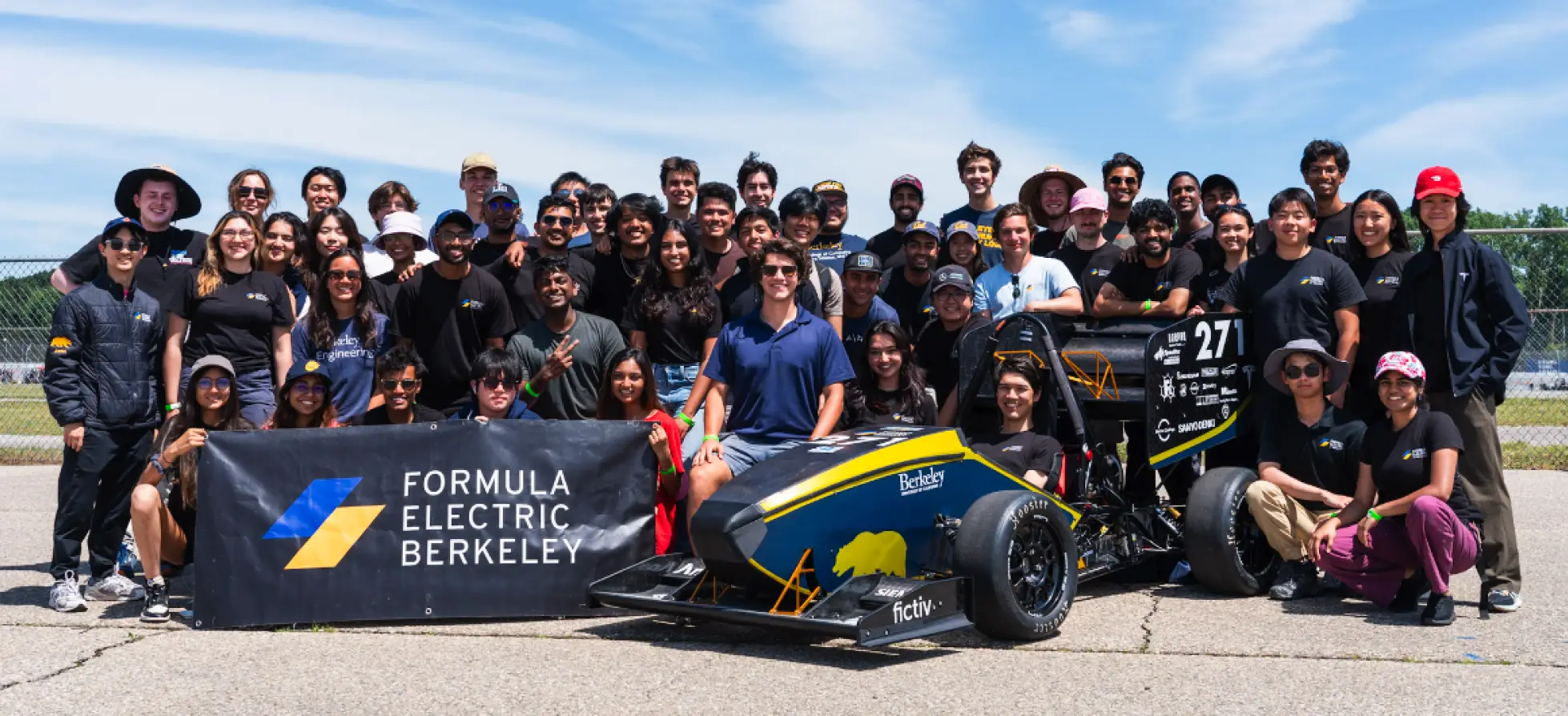
Formula Electric at Berkeley is a student-run engineering organization at the University of California, Berkeley, dedicated to designing, building, and racing a fully electric, formula-style race car.
With a team of more than 150 students across mechanical, electrical, software, and operations disciplines, the team completes a full design-to-manufacture vehicle cycle annually to compete in Formula SAE Electric.
“Working with sponsors like Fictiv really helps us create a car that we otherwise couldn’t—a car that’s much faster, much more optimized.”
— Toshko Andreev, President, FEB
“Fictiv is able to come in and make these parts for us. It’s incredible because they’re able to hit really high tolerancing, amazing finishing. They just do such a good job on the parts. So we don’t have to worry about it.”
— Duncan Ritchie, Chief Mechanical Engineer, FEB
Rebuilding After Last Year’s Setback
Every season, FEB begins with a clean-sheet design, requiring the team to re-engineer the entire vehicle within a one-year cycle.
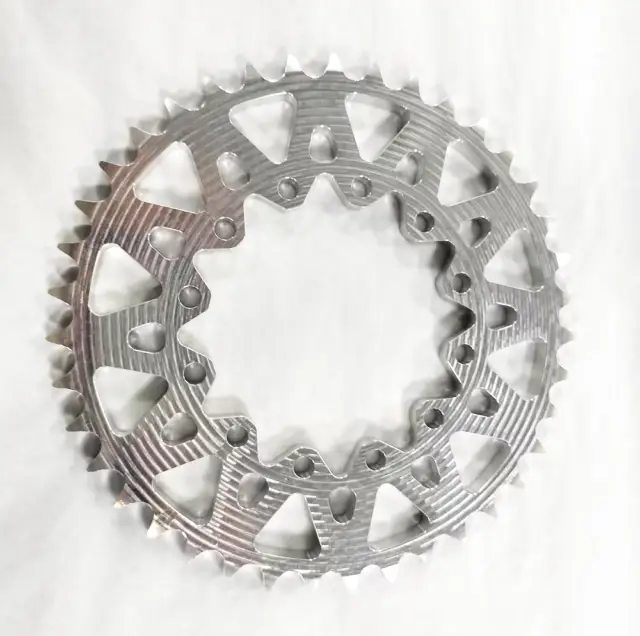
For 2025, the team introduced major architectural changes, including downsizing wheel assemblies from 13 inches to 10 inches. This decision improved performance potential but forced a complete redesign of the brake system, requiring smaller rotors that still needed to withstand extreme mechanical loads and pass strict inspection tests.
At the same time, the accumulator (high-voltage battery pack) presented its own challenges. The team needed structural components made from a highly specific polycarbonate material chosen for its thermal and electrical insulation properties—critical for safety and compliance. These parts required tight tolerances to integrate with off-the-shelf components, but over-specifying tolerances risked driving up costs beyond the team’s budget.
With limited student shop capabilities, no margin for error, and the pressure of past inspection failures—including a brake pedal failure that halted their competition run the previous year—the team needed an engineering and manufacturing partner they could rely on.

Engineering With the Finish Line in Mind
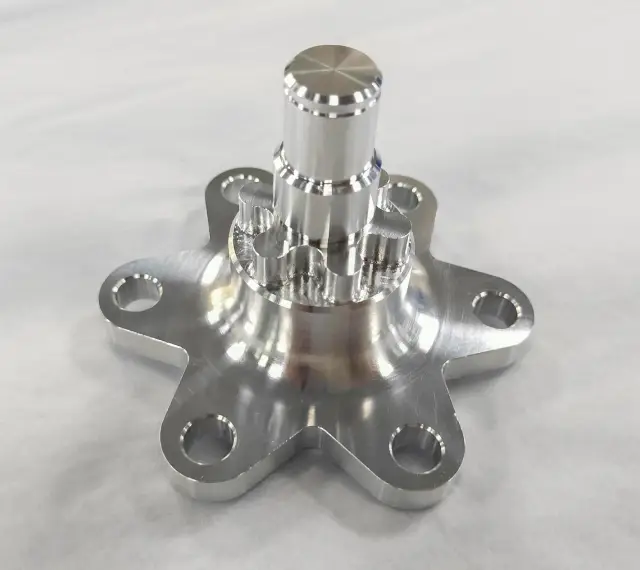
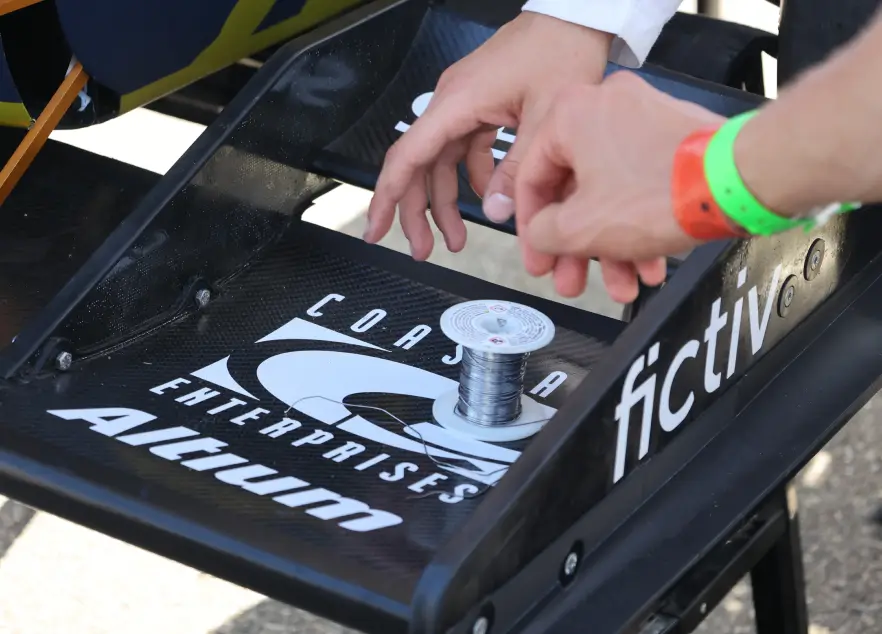
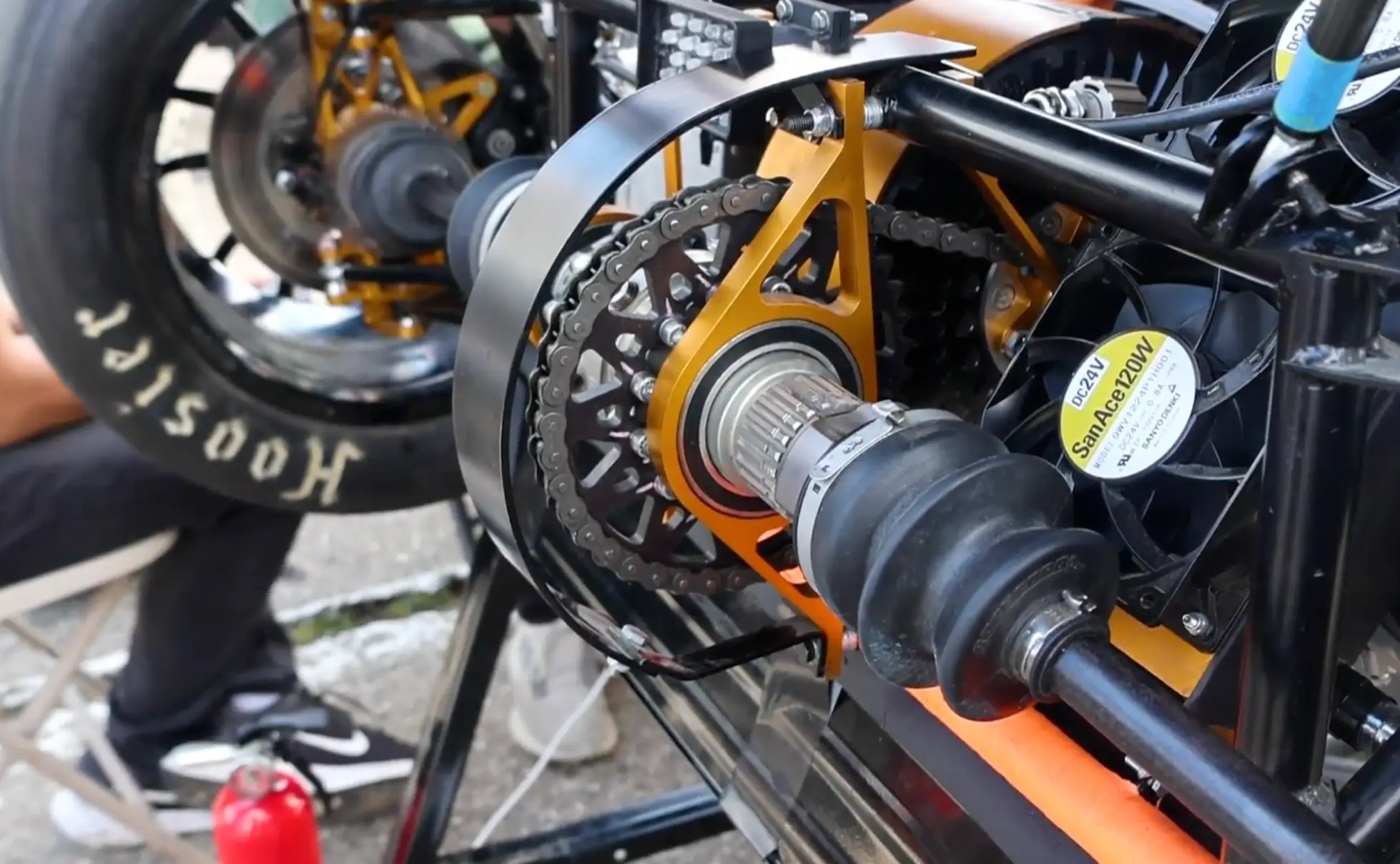
Fictiv worked closely with Formula Electric at Berkeley as a true engineering partner. The team leveraged Fictiv’s precision CNC machining capabilities to manufacture complex brake components, structural battery rails, and other high-performance parts that were beyond FEB’s in-house manufacturing capabilities.

“Fictiv helps us an enormous amount with manufacturing all our parts that are too complex or have too many requirements for us to make in-house, with students that don’t have as much experience, time, and knowledge.”
— Toshko Andreev, President, FEB
In parallel, Fictiv engineers collaborated directly with FEB team leads to review designs and tolerances. Through detailed DFM conversations, Fictiv helped identify where tolerances could be relaxed without impacting performance or safety, reducing machining complexity and cost. In one instance, these adjustments cut the cost of four critical parts by approximately 50%, a huge win for a student team operating under tight budget constraints.
“It’s a fantastic learning experience to be able to talk with engineers at Fictiv, to work with them and learn about real life [collaboration between] production, manufacturing, and the people assembling.”
— Duncan Ritchie, Chief Mechanical Engineer, FEB
“We had a lot of back and forth with [Samson Olanrewaju, Technical Applications Engineer at Fictiv] and the rest of the Fictiv team about how we could optimize our design to make it the most manufacturing-friendly and help us cut down on our quotes.”
— Arundhati Parikh, Brakes & Ergonomics Lead, FEB
Fictiv also supported material selection and machining strategies for the specialized polycarbonate used in the accumulator, ensuring parts met insulation and safety requirements while remaining manufacturable and cost-effective.
“Fictiv helped us figure out how to save cost—we needed to use a very specific material that was really strong and durable, but also completely thermally and electrically insulated. They also helped us machine that polycarbonate with really good tolerances to make sure that it fits with our
—Adrita Chakraborty, Accumulator Mechanical Lead, FEB
off-the-shelf parts, but it’s also not too tight where it’s too expensive. Thank you Fictiv for our structural parts!”
Momentum When It Mattered Most
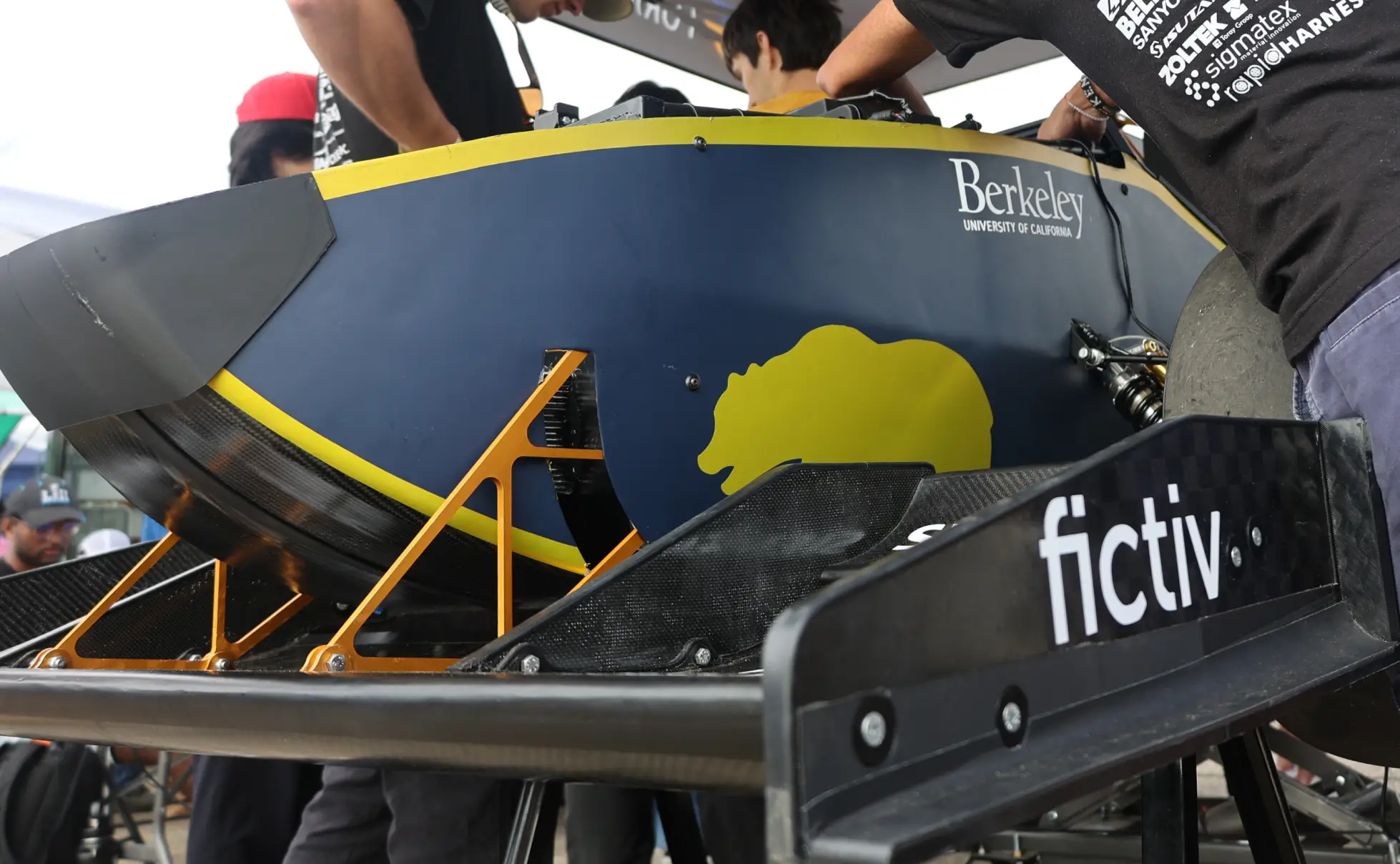
With Fictiv’s support, Formula Electric at Berkeley achieved major technical and competitive milestones. The team reduced part costs by up to 50% on select components, and with production-ready parts delivered on time and to spec, FEB was able to assemble major vehicle systems on schedule and begin testing earlier than ever before. The car was driving a full month earlier than in previous seasons, giving the team valuable time to diagnose issues, collect data, and refine performance ahead of competition.
At Formula SAE Electric, the results were “a dream come true”. The team successfully passed the brake test, a critical safety inspection barrier that had ended last year’s competition run and impacted team members’ confidence as engineers.
“That was the first time in club history I could hear everyone screaming.”
— Daniel Municio, Autonomous Software Lead, FEB
Beyond competition results, the partnership provided students with hands-on exposure to real-world manufacturing tradeoffs, cross-functional communication, and production-quality engineering. These essential skills and knowledge will carry forward into their careers after Berkeley—so wherever they go next, they’re already in race trim.
“It was a dream come true. I am grateful for this whole experience. It wouldn’t have happened without Fictiv. They didn’t just help us manufacture—they helped guide us into what materials we’d best choose. It’s incredibly important to have a good fundamental basis of the car. We couldn’t have done that without Fictiv.”
— Duncan Ritchie, Chief Mechanical Engineer, FEB
With expert DFM guidance, advanced machining capabilities, and F1-fast iteration cycles, Fictiv supports innovators working under the toughest constraints. Whether you’re still in the prototype stage or lining up at the starting grid for full-scale production, we’re here to help your team move faster.
Accelerate Your Next Project With Fictiv → Watch the Case Study Video →