




Time to read: 5 min
Across clean energy, smart buildings, and the skies above our cities, a generation of innovators is turning ambition into hardware, and hardware into a livable future. This Earth Day, we’re celebrating nine of them.
Lunar Energy
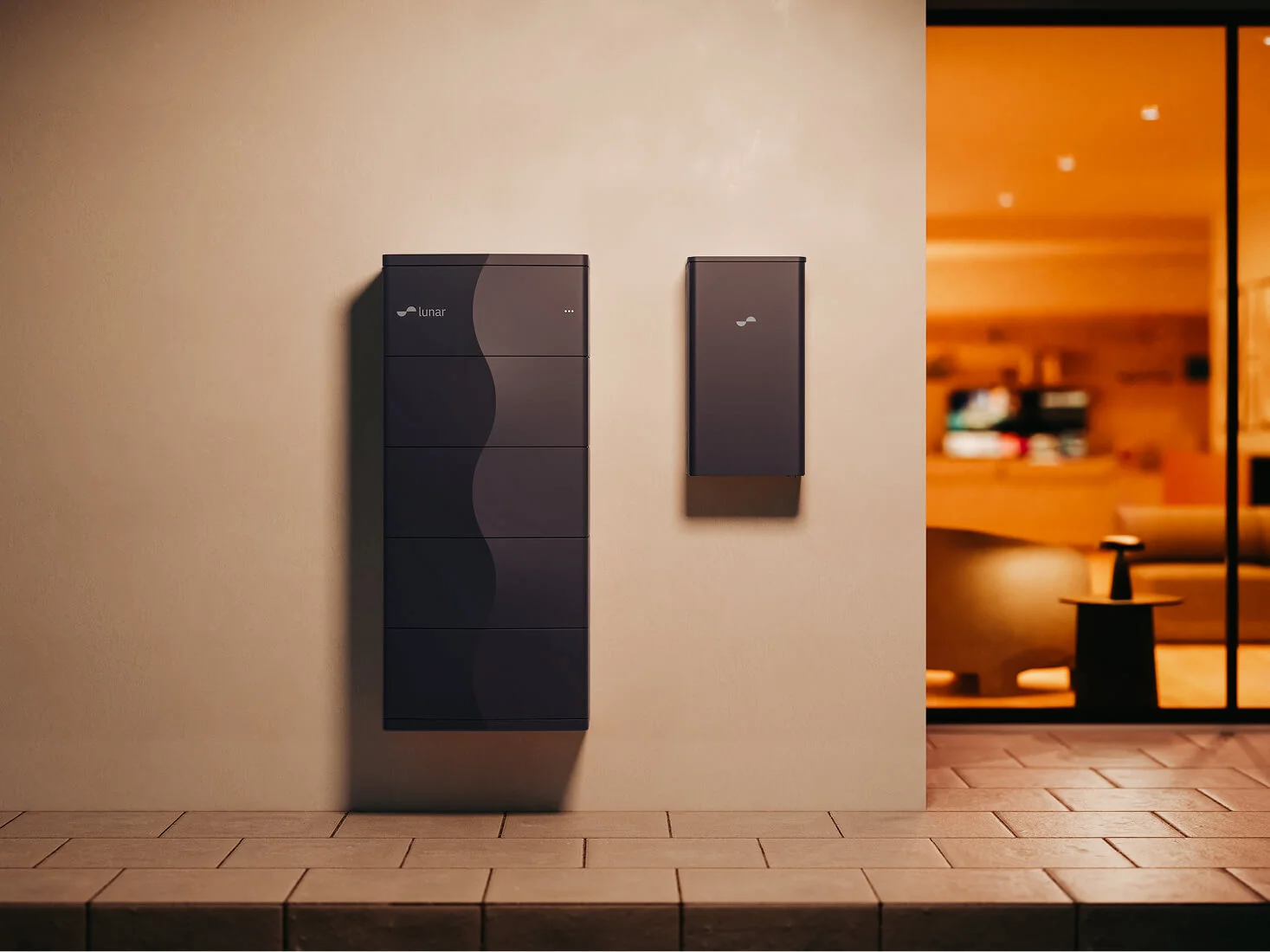
The Lunar System does something deceptively simple. It captures solar energy during the day, stores it in a home battery, and delivers it back in the evening when families actually need it. No fossil fuels, no grid dependency after dark. For the team in Mountain View, it’s a product—but also a philosophy. As VP of Operations Mark Rohan puts it, the mission is to take the home energy ecosystem “into the next generation by moving away from fossil fuel-powered electricity and heating, making it the all-electric home of the future.” Installations are underway across the country, and the ramp is accelerating.
Mainspring Energy
Most power generators have one major limitation, which is that they’re locked to whatever fuel they were built for. Mainspring broke that constraint. Born from a Stanford thermodynamics lab, their Linear Generator runs on natural gas today—and can switch seamlessly to biogas, green hydrogen, or ammonia as those fuels become available. It’s dispatchable, low-emission, and fits in a standard 20-foot container. The company has hundreds of megawatts already deployed with Fortune 500 companies, utilities like PG&E and Florida Power & Light, and logistics giants like Lineage. Their core belief is that the fastest path to a zero-carbon grid isn’t waiting for perfect conditions—it’s building flexible technology that can evolve alongside the fuels of the future.
Form Energy
Solar and wind are cheaper than ever. The problem is the dark and the calm—the stretches when the sun doesn’t shine and the wind doesn’t blow. Lithium-ion batteries can bridge a few hours. Form Energy is building something that bridges days. Their iron-air battery works on the principle of reversible rusting: iron reacts with oxygen to discharge electricity, then the reaction reverses when charging. The materials are iron, water, and air, some of the most abundant and affordable on the planet. The result is a system that can deliver power for up to 100 hours, without fire risk, without rare-earth metals, and with roughly 80% of components sourced domestically. Their first manufacturing facility sits in Weirton, West Virginia on the grounds of a former steel mill, and their commercial deployments with utilities like Great River Energy and Xcel Energy are already underway.
Alea Labs
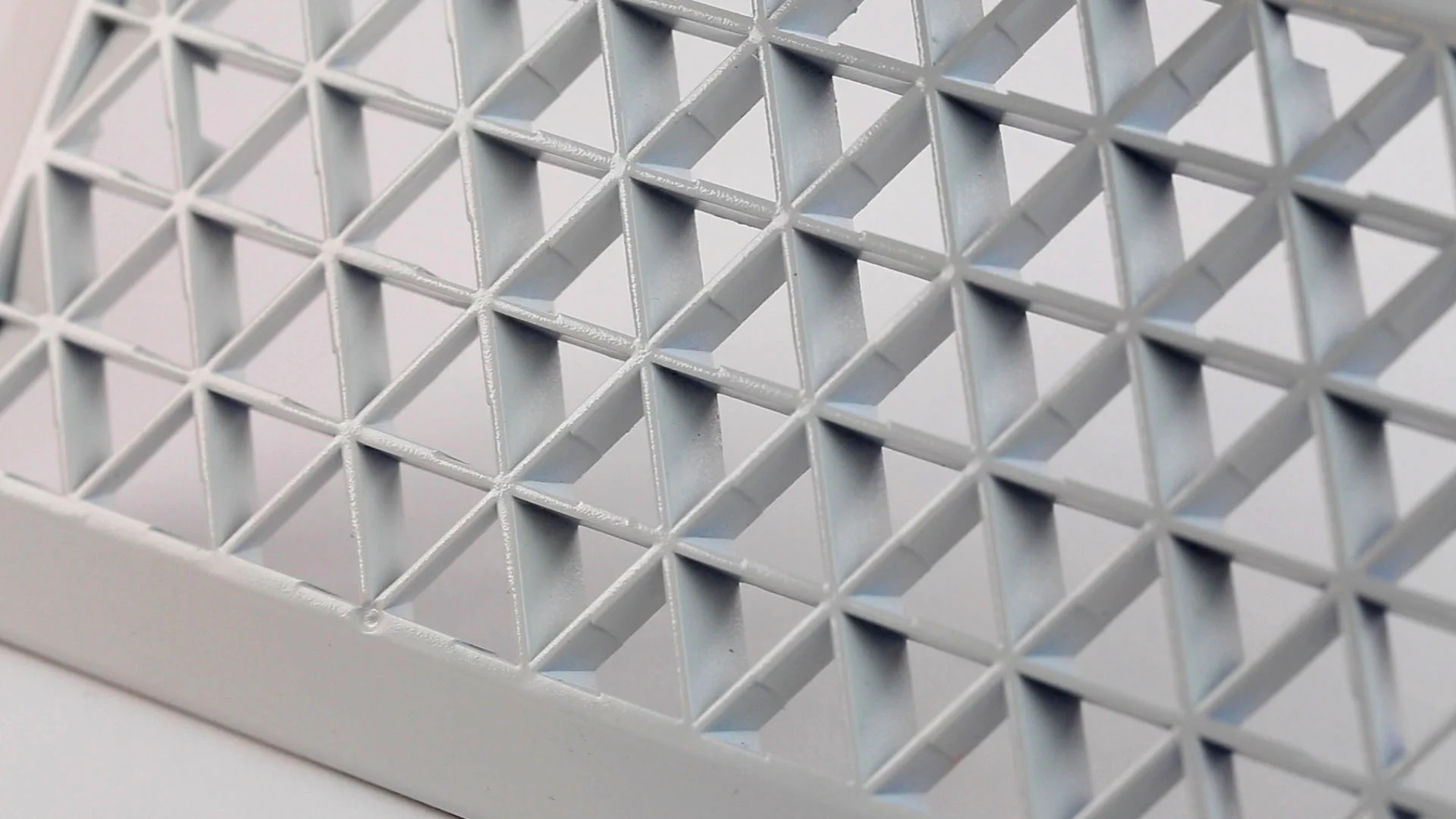
Heating and cooling buildings accounts for a staggering share of global energy use, and the underlying technology hasn’t fundamentally changed in decades. Alea Labs is changing it. Their smart HVAC system uses demand-based logic—rather than conditioning an entire building, it targets only the spaces that actually need it. CEO Hamid Farzaneh believes their thermoelectric generation technology could cut the energy spent on HVAC in North America by half. The hardware—precision-engineered vents and grilles in seven sizes—had to push the limits of plastic manufacturing to maintain airflow performance while achieving the kind of aesthetics a commercial environment demands. The result is a system that makes sustainability a business advantage, not just a moral one.
Purcell
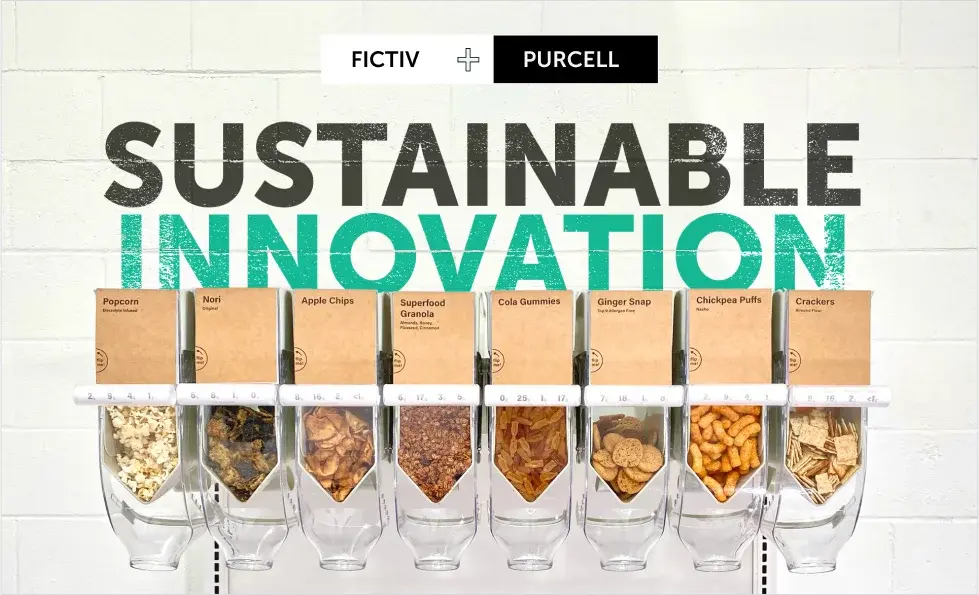
The grocery industry wastes billions of dollars in excess packaging every year. Purcell looked at that problem and saw an opportunity. Their bulk dispensing system puts all the product in one container, sold at the point of purchase in exactly the amount the customer needs—without plastic-wrapped individual portions, overbuying, or waste. For their retail partners, it turns out that sustainability doubles margins. As co-founder David Conway explains: “We’re saying to customers we can make them twice as much money, with less packaging, more accuracy, and pass savings back to customers.” Seven years from concept to commercial product, Purcell is proving that doing right by the planet and doing right by the bottom line are the same thing.
Airvine Scientific
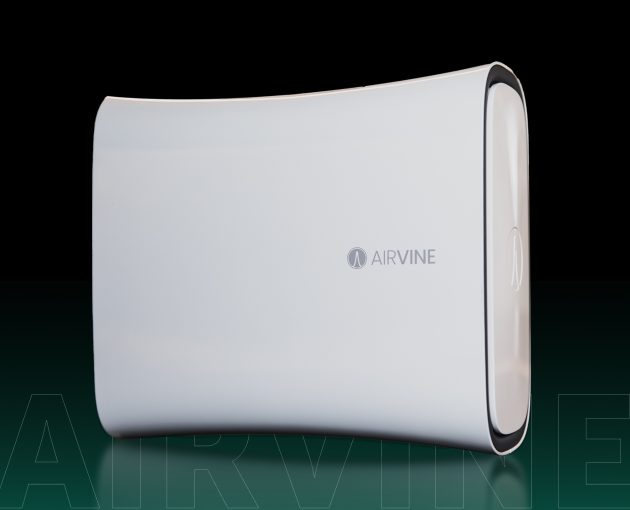
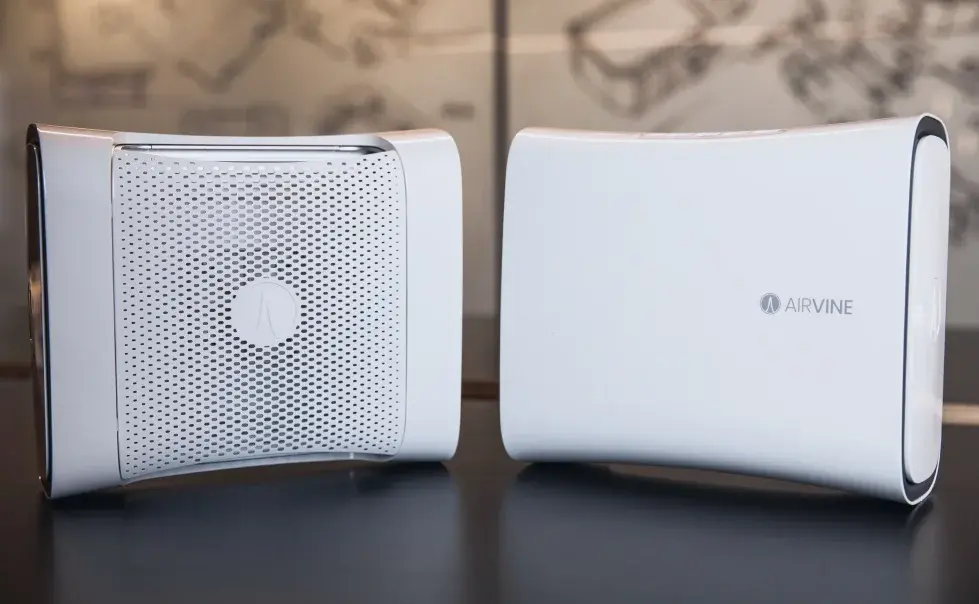
Every time a building gets wired for internet, it involves drilling, trenching, and an enormous amount of plastic cable. Airvine’s WaveTunnel changes that equation. Their system is the first indoor wireless network to transmit at 60GHz through through drywall, wood, and glass, delivering multi-gigabit speeds without any new cable infrastructure. For hospitals, senior living facilities, warehouses, and stadiums, it means network upgrades without construction. Less installation waste, less disruption, and a dramatically simpler path to the connected buildings that efficient energy management demands. VP of Product Management Dave Sumi says, “What we’ve been able to do is develop a technology that can take 60GHz frequency band and go through walls. We can go through sheetrock, wood, glass, and other indoor wall materials, which is something no one has ever done at this frequency.”
Wisk Aero
Urban air mobility sounds like science fiction—until you realize Wisk has been at it since 2010, has flown six generations of aircraft, and has logged over 1,750 test flights without an accident. Their Generation 6 eVTOL completed its first flight in December 2025: a four-passenger, fully electric, autonomous air taxi that requires no onboard pilot. All-electric means zero in-flight emissions. Autonomous means no pilot shortage, no human fatigue risk, and, eventually, dramatically lower per-mile costs. Backed by Boeing and pursuing FAA type certification, Wisk is building toward a future where a short urban hop is clean, quiet, and as routine as calling a ride.
Natel Energy
Hydropower is one of the oldest sources of renewable electricity—and one of the most conflicted. Conventional turbines are deadly to fish, forcing dam operators to choose between generating clean power and protecting river ecosystems. The Natel Energy team decided that was a false choice. Their “FishSafe” turbine is engineered so fish can pass through safely, with survival rates of 98–100% across multiple species. It’s a turbine designed from first principles to work with the river rather than against it. The downstream impact is huge: thousands of aging dams worldwide could be modernized into genuinely eco-friendly power plants. Rather than asking ecosystems to accommodate the energy transition, Natel built the energy transition to accommodate the ecosystem.
EnergyX
The EV revolution runs on lithium—and the way we’ve sourced it for decades is catastrophic. Traditional evaporation ponds recover only about 30% of available lithium while consuming enormous stretches of land and water. The EnergyX team developed a Direct Lithium Extraction (DLE) process that flips those numbers on their head: recovery rates above 90%, a fraction of the land footprint, and dramatically lower water use. It’s a mechanical and operational breakthrough that matters not just for battery supply chains, but for the ecosystems surrounding lithium-rich brines. Proving that the raw materials for a clean energy future can themselves be sourced responsibly is one of the harder problems in the transition. EnergyX is solving it at scale.
The most essential part of building a sustainable future is the ability to imagine one—to not simply accept the state of the world as it is, but to envision what it could be and identify what must be invented, created, built to make that vision a reality. At Fictiv, we’re honored every day to play even a small part in helping the world’s innovators do what they do best—design, iterate on, and deploy new technologies, new systems, new processes to protect the planet that is home to us all. Happy Earth Day!
Looking to make your product design more sustainable? Check out our Design for Sustainability guide—and if you have questions, our team is always happy to help.

Injection Molding Design Guide
 Download Now