





Time to read: 9 min
How to choose between CNC vs. Injection Molding vs. Sheet Metal vs. 3D Printing vs. Die Casting
Finding the lowest-cost manufacturing process can be harder than you might think. Cost isn’t a static attribute of a part; it’s a dynamic variable influenced by volume, part geometry, speed to market, and many other factors. Industry data from thousands of production cycles confirms that cost comparisons require additional context, including volume and other factors.
A process that’s highly cost-effective for five parts, like 3D printing, may not make financial sense at 5,000 parts. Conversely, the low unit cost of injection molding only materializes when volume is high enough (often several thousand pieces of product) to justify the tooling cost.
Oversimplified cost comparisons often fall short because they ignore the prototype-to-production life cycle. They focus on “machine time” while ignoring the “lead time,” the cost of secondary finishing, and the logistics of quality risk. To design for cost effectively, it’s important to consider the product development cycle holistically—from conception to production.

This guide compares the cost and lead time of major manufacturing processes to help you choose the right approach.
Understanding Manufacturing Cost: Tooling vs Unit Cost
To accurately compare manufacturing methods, you must use a Total Cost of Ownership (TCO) mindset. Every project follows a general economic formula:
Total Cost = Tooling (NRE) + (Unit Cost × Quantity) + Secondary Operations + Logistics/Quality Risk
Some of the main contributing factors to this equation are:
- Tooling/NRE (Non-Recurring Engineering): The upfront investment in molds, dies, or specialized fixtures.
- Setup Time: The time required to calibrate machines, load programs, and prep materials before the first part is produced.
- Cycle Time: The literal seconds or hours it takes to produce one unit.
- Scrap Rate/Yield: The percentage of parts that fail inspection. This can increase with part complexity, unstable processes, or overly-tight tolerances.
- Secondary Operations: Post-processing like anodizing, powder coating, or heat treating.
- Assembly & Inspection: The manual labor of adding hardware or performing First Article Inspection (FAI).
Understanding these variables explains why a $10,000 mold makes sense for 20,000 parts attributed at $0.50 each, but is irrational for 100 parts attributed at $100 each.
Core Cost Drivers Comparison by Manufacturing Process
Each process allocates cost differently. The table below compares the core cost drivers for each manufacturing process.
| Cost Driver | CNC Machining | Injection Molding | Sheet Metal | 3D Printing | Die Casting |
| Tooling/NRE | Low | High | Low–Medium | None | High |
| Setup/ Programming | Moderate | High (Initial) | Moderate | Low | High (Initial) |
| Cycle Time | Moderate | Very Fast | Fast | Slow | Very Fast |
| Unit Cost (Low Vol) | Moderate | High | Moderate | High | High |
| Unit Cost (High Vol) | High | Low | Low–Moderate | High | Low |
| Automation Leverage | Moderate | High | Moderate | Low–Moderate | Very High |
Note: Tolerances, materials, and finishing requirements can significantly change these patterns.
Typical tolerances vary by process (e.g., CNC: ±0.001–0.005″, injection molding: ±0.005–0.010″+, sheet metal: ±0.005–0.020″, 3D printing: ±0.010–0.030″+).
What Drives Manufacturing Lead Time (Beyond Machine Time)
Lead time rarely refers only to the time the machine is running. Lead time includes setup times, procurement, post-processing, queue time, logistics, and more. Key lead time drivers are:
- Tooling Fabrication: Building a steel mold for die casting or injection molding can take 4–12 weeks.
- Queue/Capacity: Your part is rarely the only one in the shop.
- Material Procurement: Specialized alloys or resins may not be “off the shelf.”
- Documentation: FAI, CoC, and material certs add administrative days.
- Secondary Finishing: Most shops outsource plating or painting, adding 3–5 days per vendor.
- Hardware Insertion/Assembly: Adding PEM fasteners, helicoils, or manual sub-assembly requires additional labor stations and staging time.
- Supplier Qualification: High-requirement industries (like medical or aerospace) require a vetting period that can delay the start of production.
- Shipping/Logistics: International freight and customs clearance can increase lead time.
- Rework: Tool re-cuts, mold flow changes, casting porosity adjustments, and inspection-driven rework can all influence lead time.
Relative Lead Time Characteristics Comparison
| Process | Prototype Speed | Production Throughput | Scalability | Common Bottleneck |
| CNC | Fast | Moderate | Moderate | Queue & Machining Time |
| Injection Molding | Slow | Very Fast | High | Tooling Build & Iterations |
| Sheet Metal | Fast | Fast | Moderate | Finishing & Hardware |
| 3D Printing | Fastest | Limited | Low– Moderate | Post-processing |
| Die Casting | Slow | Very Fast | High | Tooling & Qualification |
Manufacturing Process Cost and Lead Time Tradeoffs
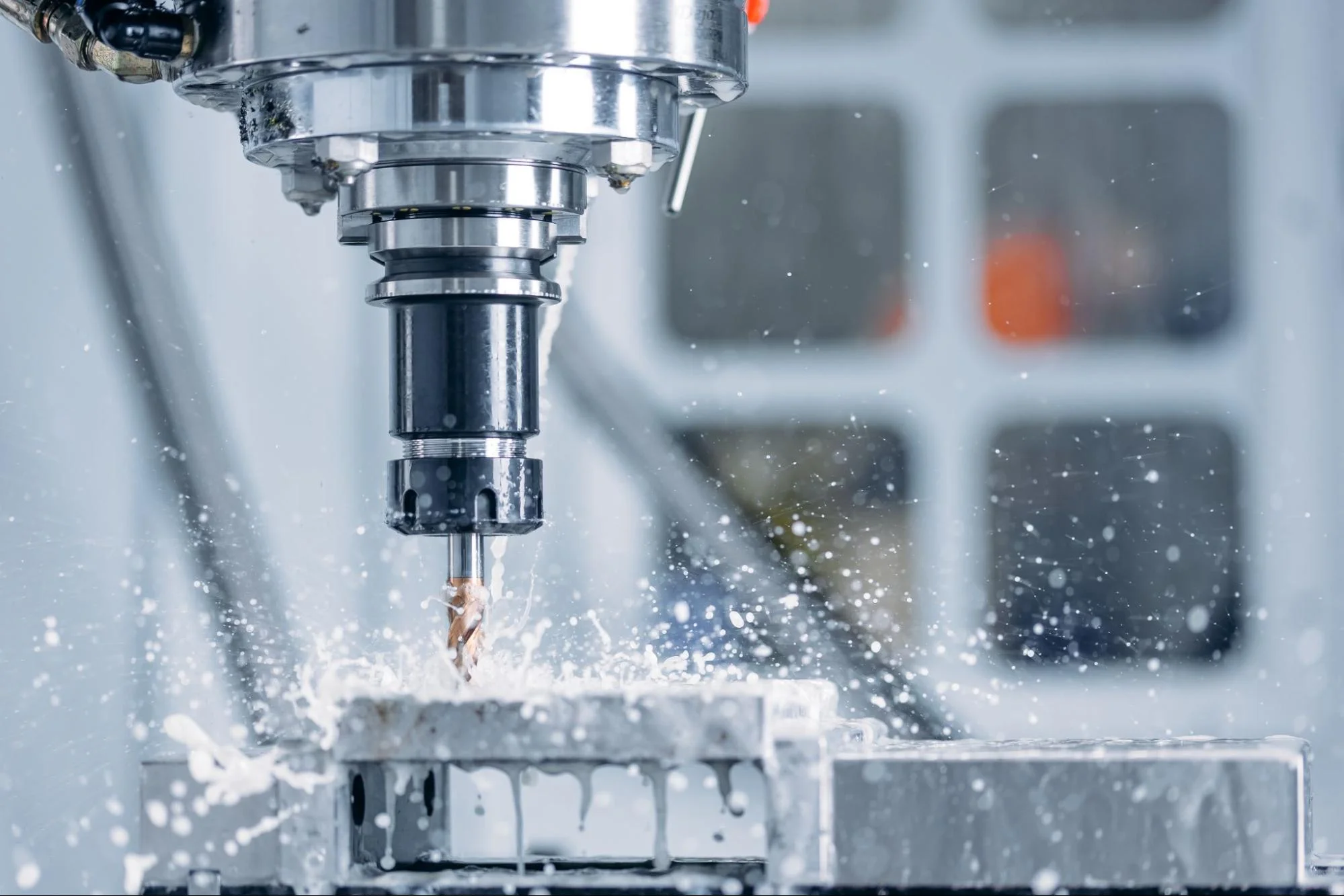
CNC Machining
CNC is the gold standard for functional prototypes and mid-volume precision parts.
- Cost Behavior: Costs are relatively linear. Because there is no expensive mold, your 1st part and your 100th part cost roughly the same, minus some setup amortization.
- Lead Time: Typically days to weeks. Cycle speed is influenced heavily by the number of setups (orientations) required.
- Best For: Functional prototypes, precision fits, low-mid volumes, and parts with complex geometry.
- Common Surprises: Deep pockets or internal radii that require tiny tools will skyrocket your cost due to broken tools and slow feed rates.
3D Printing (Additive Manufacturing)
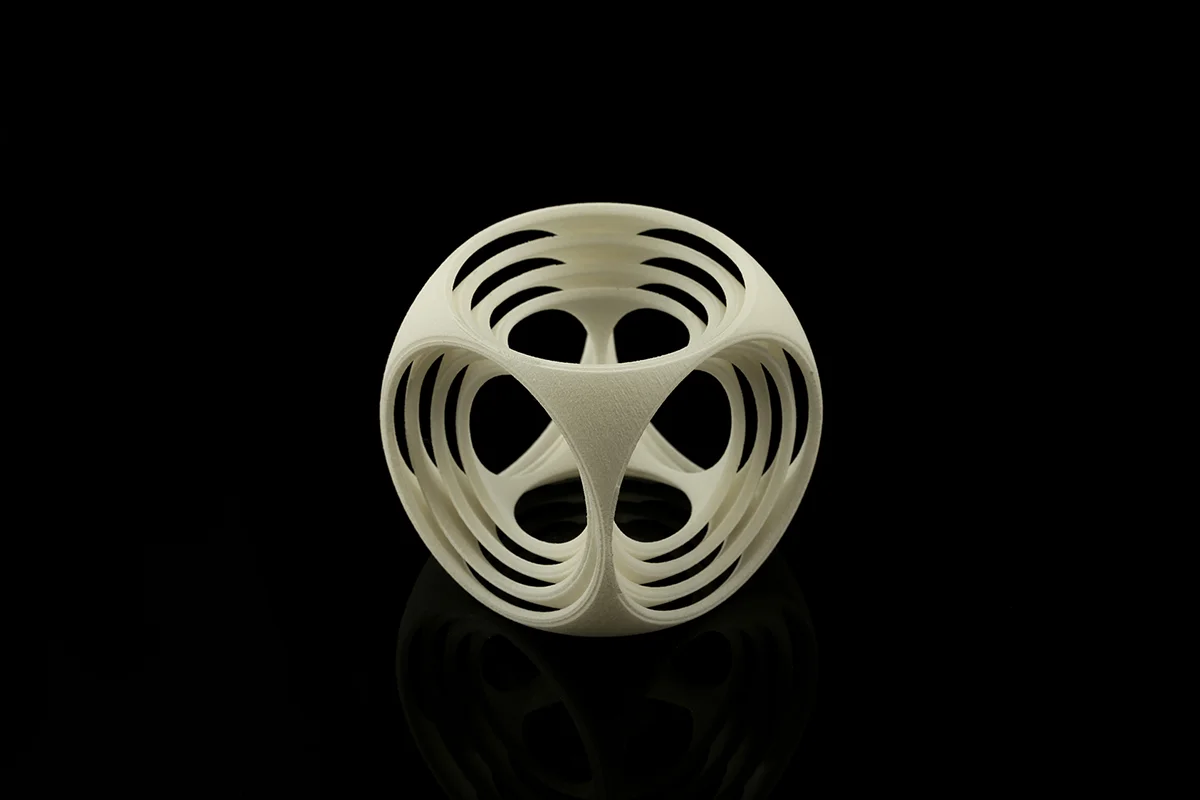
3D printing is widely used in industrial environments for prototyping and low-volume production, using methods such as SLS, FDM, and DLS.
- Cost Behavior: Minimal tooling cost compared to other methods; however, unit costs remain high.
- Lead Time: Fastest start of all manufacturing methods, but post-processing often dominates.
- Best For: Early EVT (engineering validation test) models, complex geometries that are impossible to machine, and rapid prototyping.
- Common Surprises: Surface finish and anisotropy (parts being weaker in one direction) can limit use in structural applications.
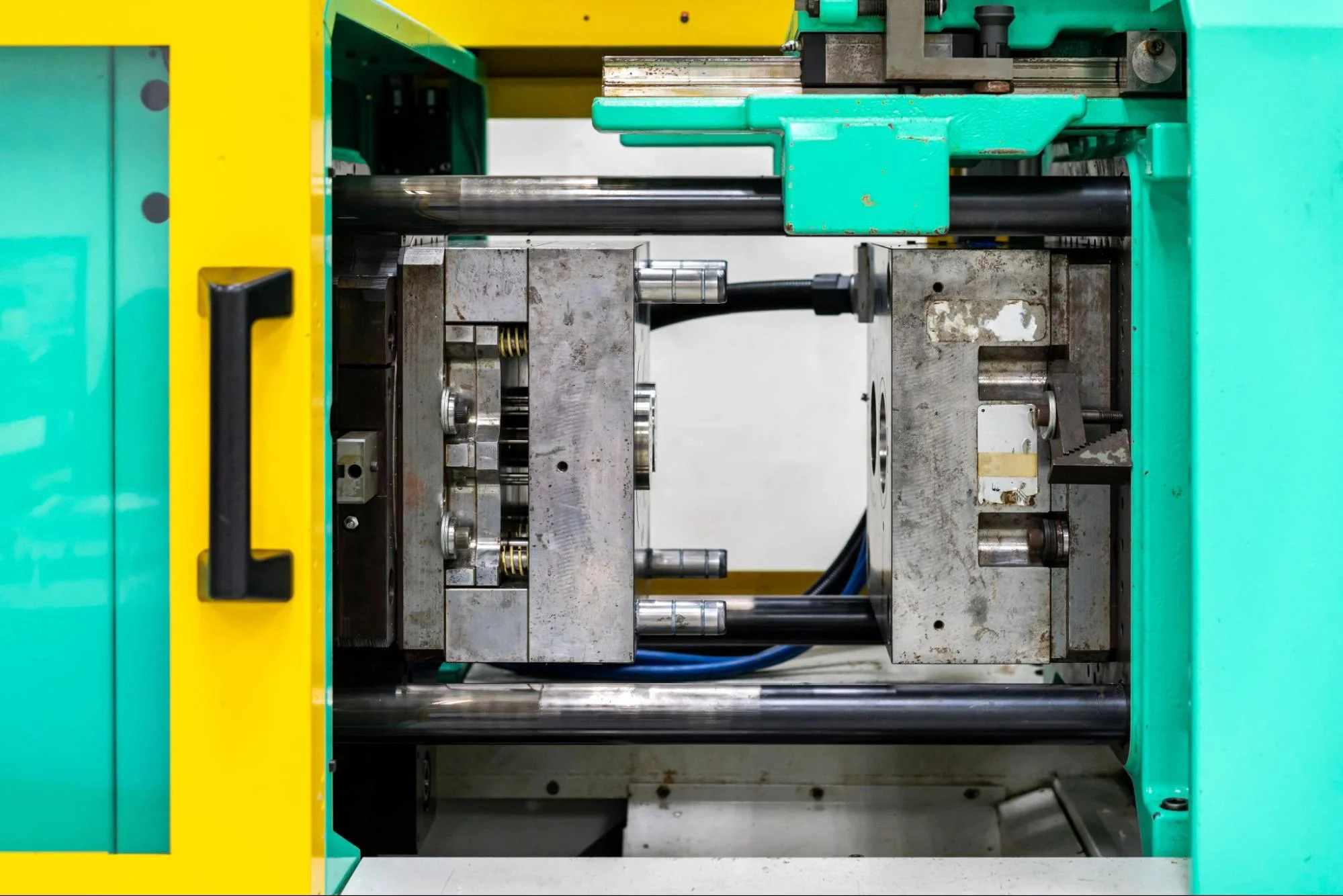
Injection Molding
When you need 10,000+ plastic parts, there is no substitute for injection molding.
- Cost Behavior: Initially expensive. However, once the tool is paid for, the unit cost drops dramatically—sometimes to pennies.
- Lead Time: Among the longest lead times in manufacturing due to tooling fabrication time. Even “bridge tooling” (aluminum) can take weeks. Production cycle times are fast.
- Best For: Plastic housings, cosmetic enclosures, integrated features, and easily repeatable/high-volume products.
- Common Surprises: Tool revisions, resin availability, and surface finish requirements can all impact cost and lead time.
Sheet Metal Fabrication
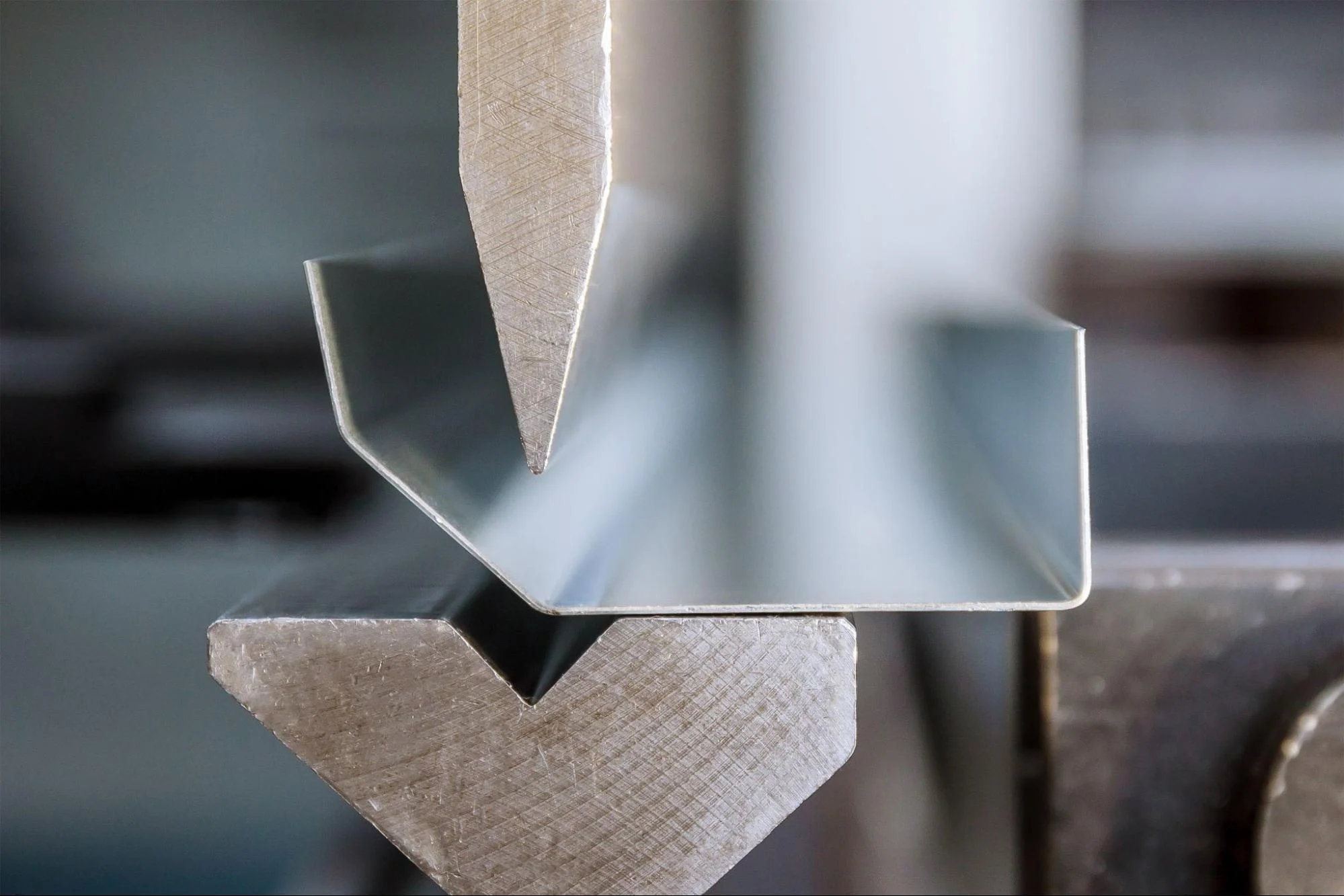
Sheet metal combines low tooling costs with relatively fast production.
- Cost Behavior: Relatively ow tooling cost compared to molding. Production cycles are fast and efficient for low and medium volumes, but secondary operations can greatly influence cost.
- Lead Time: Fast. During production cycles, punching and laser cutting are very fast per operation, especially once setups and nesting are optimized. However, secondary operations like powder coating or hardware assembly add time (potentially days, if outsourced).
- Best For: Enclosures, brackets, frames, and panels.
- Common Surprises: Bend tolerance stack-ups. If you have ten bends in a row, the final flange might be off by more than you expect.
Die Casting (Scaling Metal Parts)
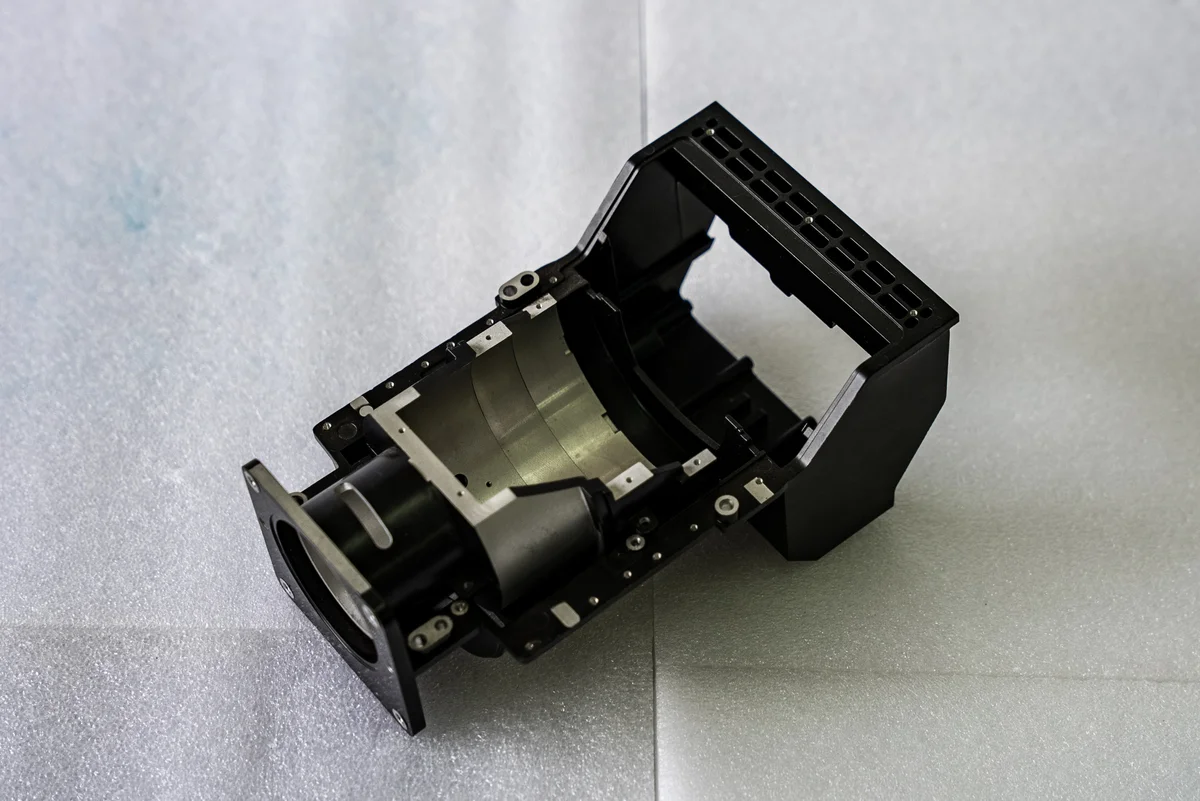
Die casting is often thought of as “injection molding for metal.”
- Cost Behavior: Significant upfront investment in steel dies ($20k–$100k+) but low per-unit costs at high volumes.
- Lead Time: Long. Tooling + “First Article” qualification can take months.
- Best For: High-volume aluminum or zinc housings, integrated features, thin-wall metal components.
- Common Surprises: Porosity, secondary machining operations, and reduced tooling life compared to injection molding tooling in some applications.
Secondary Operations: The Hidden Multiplier
Finishing can significantly affect cost and lead time, yet many companies fail to consider its impact.
Secondary Operations and How They Affect Cost and Lead Time
| Secondary Operation | Why It Adds Cost | Why It Adds Lead Time | Affected Processes |
| Tight Inspection (FAI) | Specialized Metrology | Documentation Heavy | CNC, Die Casting |
| Anodizing/Powder Coating | Per-Batch Minimums | Logistics to 3rd Party | CNC, Sheet Metal |
| Hardware/Inserts | Manual Labor | Extra Workstations | Sheet Metal, Molding |
| Heat Treatment | Energy & Distortion risk | Long Cooling/Cycles | CNC (steel), Castings |
Cost vs. Volume: Break-Even Behavior
- 3D printing generally maintains a relatively flat cost curve, though batch processes like SLS or MJF can achieve modest cost reductions through build optimization.
- CNC has a relatively linear cost structure, where per-unit cost remains fairly constant with modest reductions from setup amortization at higher volumes.
- Sheet metal fabrication typically shows a moderate decline in cost per unit with increasing volume. While there is minimal upfront tooling compared to molding or casting, costs benefit from setup amortization, batch cutting efficiencies, and streamlined forming operations.
- Injection molding and die casting have a high initial spike for tooling that starts at the top of the chart and drops sharply as volume increases.
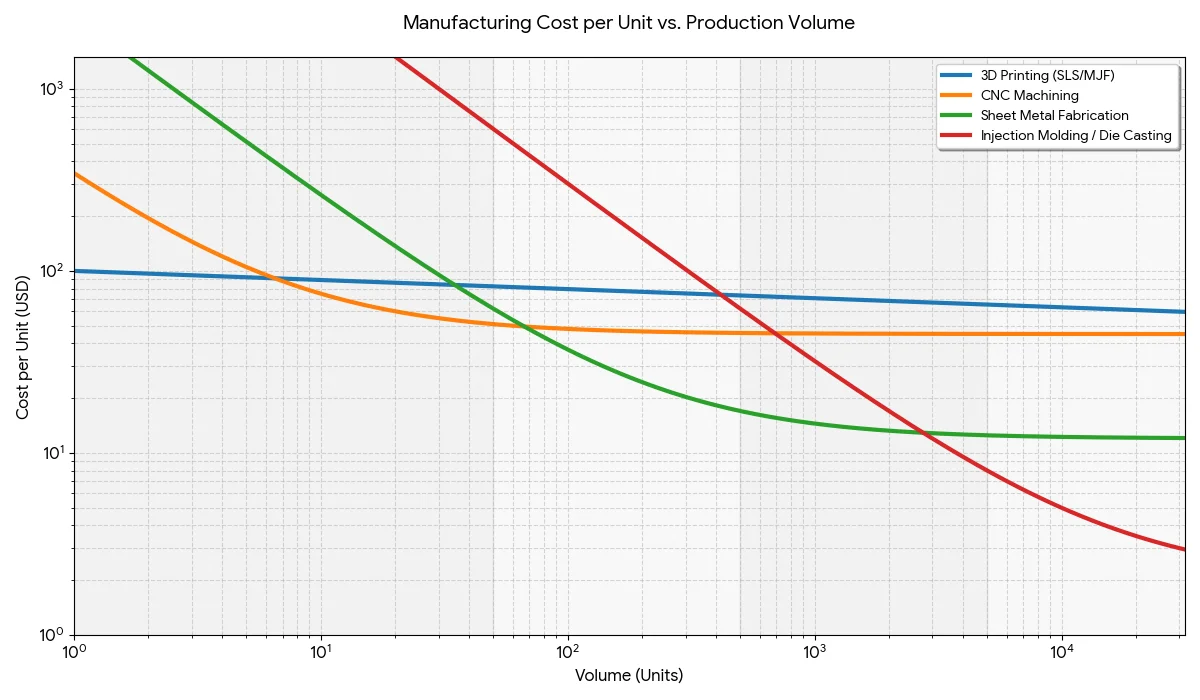
The table below quantifies the most cost-effective manufacturing process based on the required product volume.
Cost-Effective Manufacturing Processes by Volume
| Volume Band | Most Cost-Effective | Rationale |
| 1–50 | 3D Printing, CNC | Minimal NRE; fast learning. |
| 50–500 | CNC, Sheet Metal | Repeatability without high tooling risk. |
| 500–5,000 | Sheet Metal, Bridge (Proto) Molding | Transition zone: repeatability starts to pay off. |
| 5,000+ | Injection Molding, Die Casting | High NRE is fully amortized; speed is king. |
In practice, many programs use hybrid strategies—for example, CNC prototypes for EVT, bridge molding for DVT/PVT, and injection molding for full production volumes.
Choosing the Right Process by Development Stage
The product development stage has just as much impact on cost and lead time as the required production volume. The table below describes the best manufacturing process for each stage of development.
The Best Manufacturing Processes Depending on Development Stage
| Stage | Primary Goal | Common Best Fits |
| EVT (engineering validation test) | Speed of Learning | 3DP, CNC |
| DVT (design validation test) | DFM Refinement | CNC, Sheet Metal |
| PVT (production validation test) | Process Validation | Molding, Qualified CNC |
| Production | Cost & Scale | Injection Molding, Die Casting |
Decision Framework: How to Choose the Right Process
To consider your choice of manufacturing process, ask these five questions. Then, narrow down the possible manufacturing process candidates to one or two.
- What volume do you expect in 12 months? Is it 100 or 100,000?
- Is the part plastic or metal?
- Does it require tight tolerances or a cosmetic finish?
- How stable is the design? Will it change frequently?
- Is speed to market or unit cost more critical?
Common Cost & Lead Time Estimation Mistakes
Watch out for common pitfalls that can lead to increased cost and lead time estimates.
- Unfair comparisons: Comparing the unit price for a CNC prototype quote to an injection molding production quote.
- Ignoring the “Soft Costs”: The time to complete finishing, inspection, and general supply chain management can greatly impact lead time and cost.
- Over-Tolerancing: Putting “±0.001” on a noncritical clearance hole, for example, is unnecessary and makes products more difficult to manufacture.
- Late Swapping: Trying to change a part from one manufacturing method to another after the assembly is already designed. For instance, you may change from CNC to die casting and believe the product is ready, but forget to account for the draft angles needed for casting.
Compare Manufacturing Costs Instantly—Without Guesswork
There is not always a clear winner when comparing manufacturing processes. There is only the best fit for your current stage of development. Even with clear guidelines, selecting the optimal process often requires balancing tradeoffs across cost, speed, and risk.
At Fictiv, we remove the guesswork. Our platform provides instant DFM feedback and quotes with transparent pricing across all these modalities, allowing you to compare the cost of 10 machined parts against 1,000 molded parts in a single interface. By centralizing your supply chain, you reduce the hidden multipliers of logistics and quality risk that sink hardware budgets.
With Fictiv, get an instant quote and parts delivered as fast as:
- 24 hours for 3D printing
- 1-2 days for CNC machining
- Injection molding T1 samples in weeks not months
Ready to see the data for your own design? Upload your CAD to Fictiv today to get an instant quote and DFM analysis to find your ideal manufacturing path.
FAQs About Manufacturing Cost and Lead Time
Which manufacturing process is the most cost-effective?
There is no single lowest-cost process for every part. The most cost-effective option depends on production volume, material, geometry, tolerances, finishing requirements, and how stable the design is. In general, 3D printing and CNC machining are often better for prototypes and low volumes, while injection molding and die casting become more economical at higher volumes.
What has the biggest impact on manufacturing lead time?
Machine time is only one part of lead time. Tooling fabrication, material procurement, queue time, secondary finishing, documentation, shipping, and rework can all add significant time. For molded or cast parts, tooling is often the biggest lead time driver.
When should I choose CNC machining instead of injection molding?
CNC machining is usually a better choice when volumes are low, the design may still change, or tight tolerances are required. Injection molding usually makes more sense when the design is stable and production volume is high enough to justify the upfront tooling investment.
Is 3D printing always the fastest manufacturing process?
3D printing is often the fastest way to start making parts because it does not require tooling, which makes it ideal for prototyping and early design iterations. However, post-processing, surface finishing, and quantity requirements can affect total turnaround time, and other processes may become more efficient at higher volumes.
How do secondary operations affect manufacturing cost and lead time?
Secondary operations such as anodizing, powder coating, heat treatment, hardware insertion, and inspection can significantly increase both cost and lead time. In many cases, these steps are outsourced, which adds logistics, handling, and scheduling time beyond the core manufacturing process itself.
What is the fastest manufacturing process?
3D printing is typically the fastest to start since it requires no tooling, while CNC machining offers fast turnaround for functional parts. Injection molding and die casting have longer lead times due to tooling but are faster for large-scale production.