CNC Machining Materials

Titanium CNC Machining Services

At a glance

Processes

CNC Mill
CNC Lathe

Lead Time

As fast as 7 days

Finishing options

Media Blasting, Vibratory Tumbling, Passivation, Powdercoating

Tolerance

With drawing: as low as +/- 0.005 mm
No drawing: ISO 2768 medium

Price

$$$

Applications

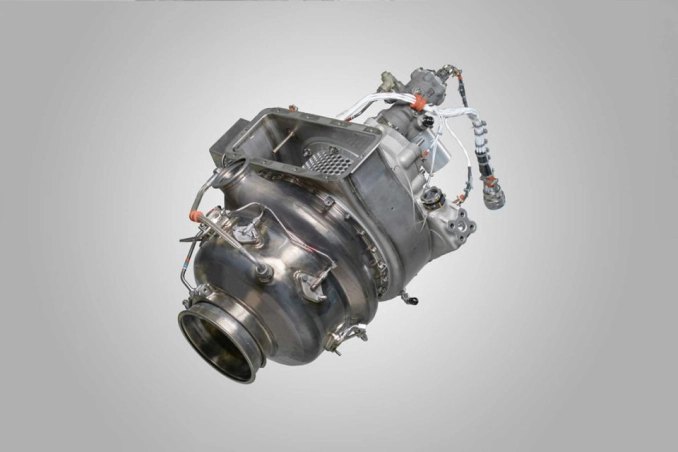
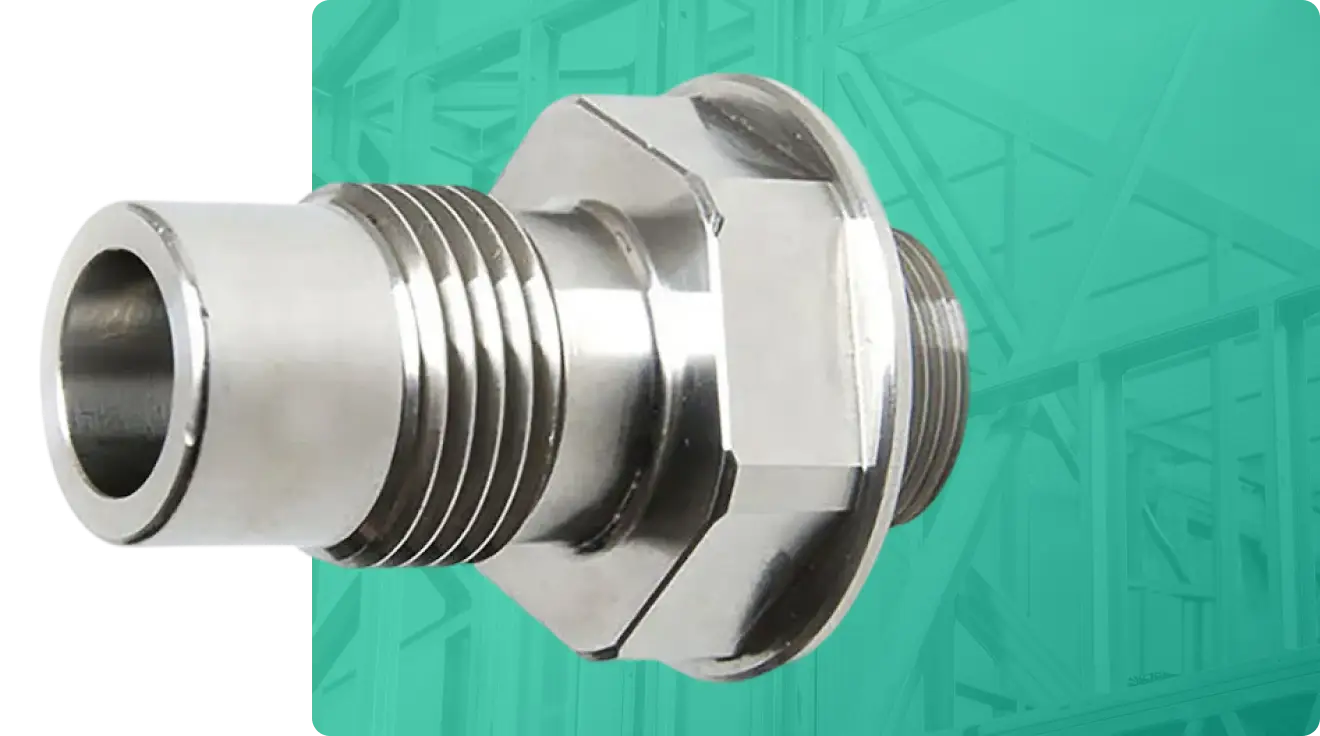
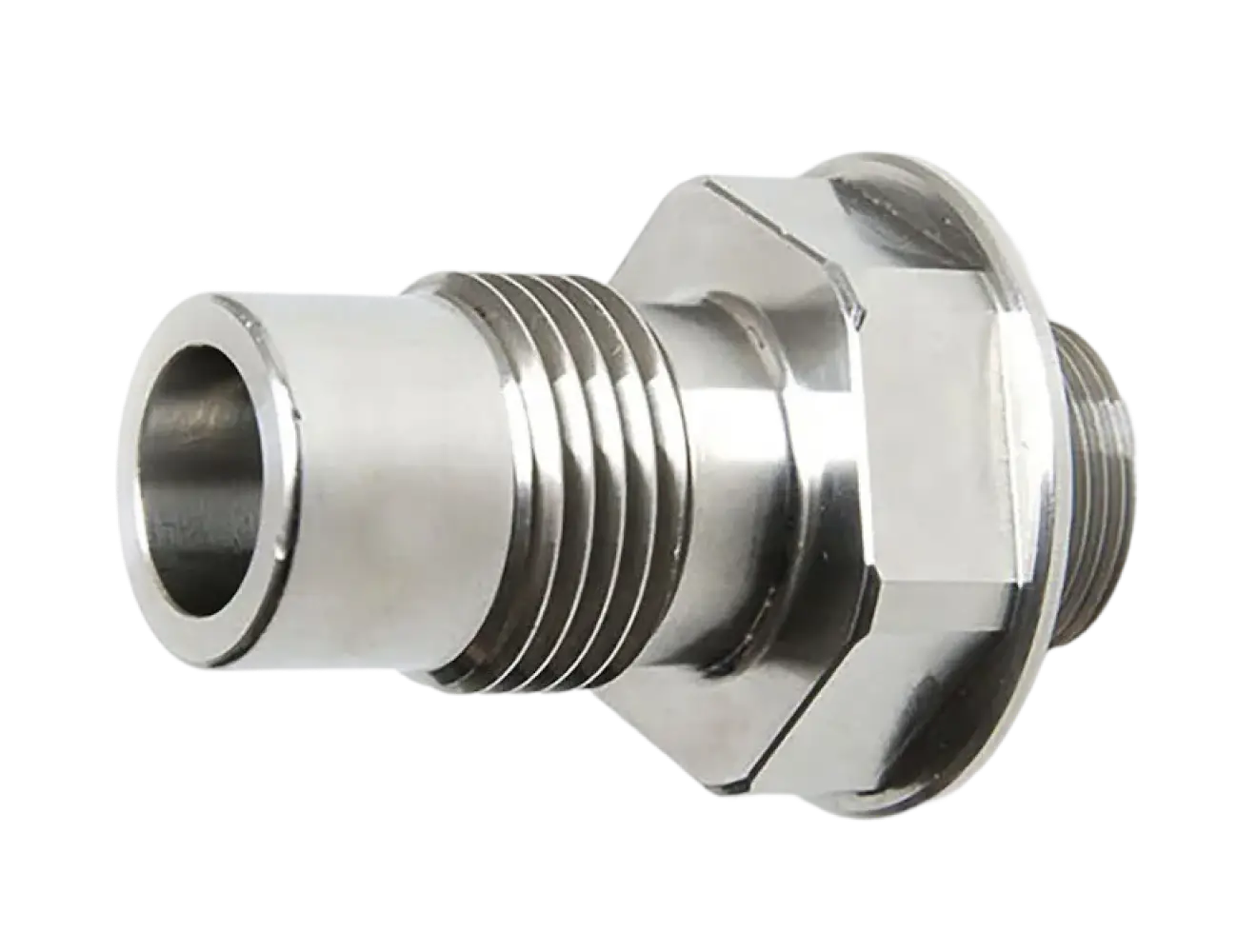
Aerospace fasteners, engine components, aircraft components, marine applications

Grade

Titanium Grade 5

About the Material

Titanium Grade 5 (Ti-6Al-4V) is the most widely used titanium alloy for CNC machining thanks to its high strength-to-weight ratio, excellent corrosion resistance, and good weldability. Its ability to perform in both high-temperature and subzero environments makes it a strong alternative to steel when lightweight durability is required.
Common CNC-machined applications include aerospace fasteners, turbine blades, engine components, sports equipment, and marine hardware.

Titanium Grade 2 is also well-suited for CNC machining, especially when a part requires excellent ductility, outstanding corrosion resistance, or cost-effective manufacturability. While not as strong as Grade 5, its lightweight and highly formable nature makes it ideal for components with complex geometries or deep form features.


Material Properties

Titanium Grade 5

Yield Strength

120,000 PSI

Elongation at Break

10%

Hardness

Rockwell C30

Density

0.16 lbs / cu. in

Max Temp

3000°F

Grade 2 Titanium

Yield Strength (tensile)

40,000 PSI

Elongation at Break

20%

Hardness

Rockwell B65

Density

4.51 g/cm^3
0.16lb / in^3

Maximum Temp

3000° F

Material Finish

Titanium has a clean, metallic appearance similar to many stainless steel grades, making it suitable for both functional and cosmetic CNC-machined parts. After machining, titanium can be media blasted, tumbled, or otherwise surface-finished to achieve a wide range of textures and sheen levels. For enhanced corrosion protection, a light passivation coating may also be applied to create a more uniform and durable oxide layer.

Design Recommendations

Min Wall Thickness

0.5 mm

Min End Mill Size

0.8 mm (0.03 in)

Min Drill Size

0.5 mm (0.02 in)

Max Part Size

1200 x 500 x 152 mm [x,y,z] (mill)
152 x 394 mm [d,h] (lathe)

Undercuts

Square profile, full radius, dovetail profiles

Radii : Depth

Depth must not exceed 12x drill bit diameter. For end mills, depth must not exceed 10x tool diameter.

Cost-Saving Tip for Machining Titanium:

To reduce CNC machining costs for titanium parts, aim to minimize the number of part setups, limit the quantity of critical inspection dimensions, and avoid unnecessarily tight tolerances. Designing with shallower pockets and larger internal radii also helps reduce tool wear and machining time, leading to faster, more economical production.

CNC Machining Titanium FAQs

YOU MIGHT ALSO BE INTERESTED IN

How On-Demand CNC Manufacturing Accelerates New Product Introduction (NPI)

As manufacturers across the U.S. and Canada bring production closer to home, the fastest teams are winning launch windows. Compressing the “design → make → test” cycle isn’t just about efficiency—it’s now a core competitive advantage. On-demand CNC machining, by intelligently routing precision parts to pre-vetted suppliers across regions, enables faster prototyping and pilot production […]

Learn More

US Machine Shops: How Tariffs and Recent Supply and Demand Trends Shape the Market

For U.S. machine shops, the last few years have been anything but steady, marked by an unpredictable mix of tailwinds and headwinds. Reshoring and record factory construction have boosted demand, while tariffs and cost inflation continue to tighten margins and blur forecasts. Here’s a clear-cut view of what’s gaining traction, what’s slowing, and how to […]

Learn More