





Tool Steel

A2 Tool Steel

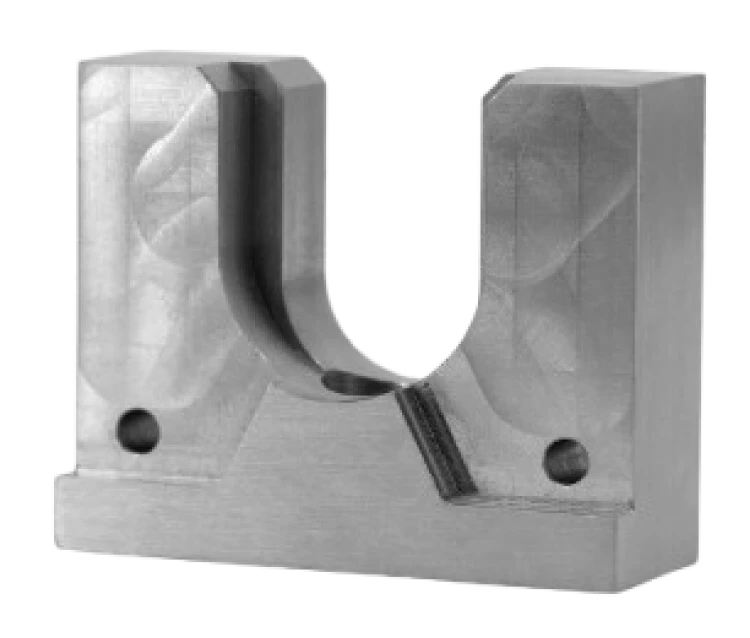
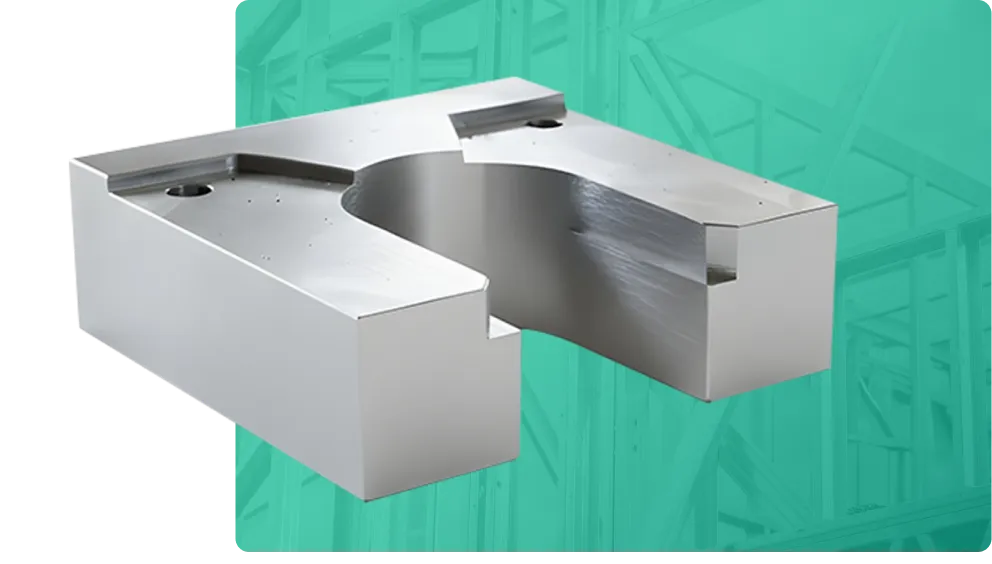
CNC Machined A2 Tool Steel Parts — Durable, Wear-Resistant Components for Tooling & Fixtures
A2 Tool Steel

At a glance

Processes

CNC Mill
CNC Lathe
EDM Hobbing

Lead Time

As fast as 7 days

Finishing Options

Media Blasting, Vibratory Tumbling, Black Oxide, Powdercoating

Tolerance

With drawing: as low as +/- 0.005 mmNo drawing: ISO 2768 medium

Price

$$$

Applications

Tools, fixtures, tool holders, punches

About the Material

Tool Steel offers excellent wear resistance and toughness. Due to its high compressive strength and dimensional stability, this material is commonly used to make fixtures, tools, tool holders, gauges and punches.

D2 Tool Steel is an air-hardening material, and it offers superior wear-resistance when compared to A2 Tool Steel. D2 is most often used for stamps/dies and cutting blades.

Extreme Toughness

Extreme Toughness Icon

Wear Resistant

Extreme Toughness Icon

Material Properties

Yield Strength

55,000 PSI

Elongation at Break

22%

Hardness

Rockwell B90

Density

0.284 lbs / cu. in

Maximum Temp

D2 Tool Steel

Yield Strength (tensile)

50,000 PSI

Elongation at Break

1%

Hardness

Rockwell B95

Density

7.7 g/cm^3
0.28lb / in^3

Maximum Temp

Material Finish

Very similar to other grades of mild steel, tool steel is generally shiny in appearance and slightly darker than aluminum alloys. For corrosion resistance, black oxide can be applied post-machining. To achieve a variety of surface finishes, tool steel parts can also be media blasted or tumbled.

Design Recommendations

Min Wall Thickness

0.5 mm

Min End Mill Size

0.8 mm (0.03 in)

Min Drill Size

0.5 mm (0.02 in)

Max Drill Size

1200 x 500 x 152 mm [x,y,z] (mill)
152 x 394 mm [d,h] (lathe)

Undercuts

Square profile, full radius, dovetail profiles

Radii : Depth

Depth must not exceed 12x drill bit diameter.
For end mills, depth must not exceed 10x tool diameter.
Cost Saving Tip

Cost Saving Tip

To reduce costs, limit the number of part setups, the number of inspection dimensions or tight tolerances, and deep pockets with small radii.

You Might also be Interested in

Design for Excellence (DFX) in Product Development: How DFM, DFA, and More Improve Manufacturing Efficiency

When designing a product, consider all factors that will contribute to its success throughout the development process. For most companies,…

Learn more >
lower costs while maintaining quality and speed

Design for Cost (DFC) and Design to Cost (DTC): Balancing Performance and Affordability in Product Design

In today’s competitive global market, cost-conscious design is a strategic necessity. While innovation, quality, and speed to market remain vital,…

Learn more >