








Time to read: 5 min
In the world of engineering and material science, understanding the properties of materials is essential to designing safe, efficient, and reliable structures. One of the most important properties is ductility, which refers to a material’s ability to deform plastically without breaking. Whether in bridges, aircraft, pipelines, or consumer products, ductility plays a vital role in determining how a material performs under stress.
This article explores the meaning of ductility, why it is important in engineering applications, how it relates to other material properties, and its impact across industries.
What Is Ductility?
In simple terms, ductility is the capacity of a material to be stretched, drawn, or deformed under tensile stress before fracture. Materials with high ductility, such as copper, aluminum, and mild steel, can undergo significant deformation without failing. In contrast, brittle materials like glass or cast iron fracture suddenly with little or no plastic deformation.
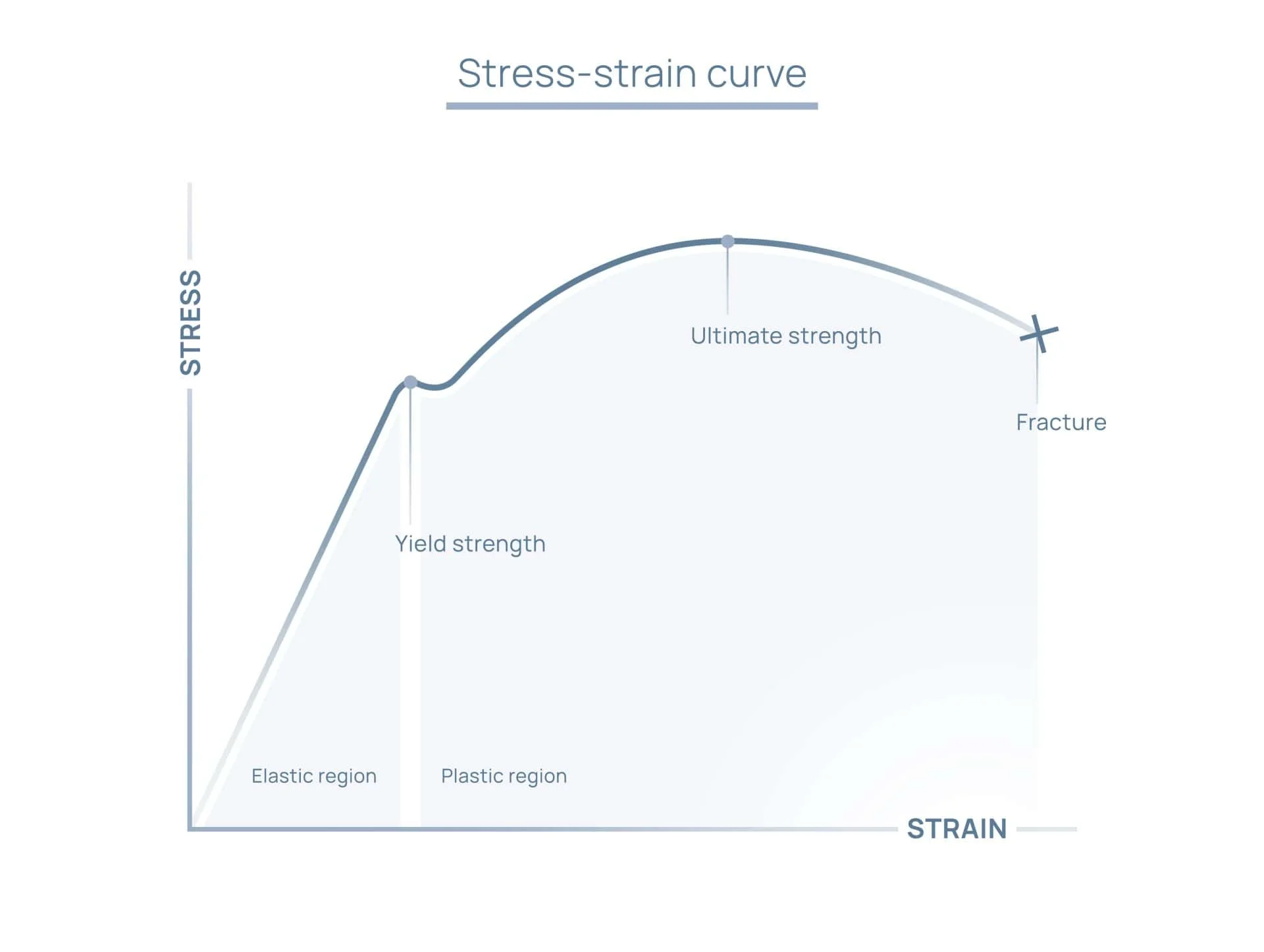
From a material science perspective, ductility is typically measured by elongation or reduction of area in a tensile test. A ductile material shows a long stretch in the stress-strain curve, indicating that it can absorb energy and undergo permanent deformation before breaking. This makes ductility one of the most critical mechanical properties in design.
Why Ductility Matters in Engineering
In engineering, ductility is more than just a measure of flexibility—it is a measure of safety. When a structure or component is subjected to loads beyond its design capacity, ductile materials provide warning signs before failure. They bend, stretch, or deform visibly, allowing engineers or operators to take corrective action.
Brittle materials, by contrast, may fail catastrophically with no prior warning. This distinction is why ductility is often prioritized in critical infrastructure and safety-sensitive applications. For example, in earthquake-resistant building design, ductile steel reinforcement bars are chosen over brittle alternatives to ensure that structures can absorb energy and deform without collapsing.
The Role of Ductility in Material Science
From a material science standpoint, ductility helps researchers and engineers understand how atomic structures, bonding, and microstructures affect material performance. Metals tend to be ductile because of their metallic bonding, which allows layers of atoms to slide over one another. Ceramics and glasses, with their strong but directional bonds, exhibit low ductility and high brittleness.
Alloying, heat treatment, and microstructural control are methods used to tailor ductility. For example, tempering steel after quenching reduces brittleness and increases ductility, making the material both strong and resilient. This balance between strength and ductility is a central theme in modern material science research.

Ductility vs. Brittleness
When discussing ductility in engineering and material science, it’s important to compare it with brittleness. A brittle material fractures suddenly under stress, while a ductile material undergoes plastic deformation first. This difference explains why ductile materials are preferred in applications where safety and reliability are critical.
For instance, glass is strong under compression but fails suddenly in tension because it is brittle. On the other hand, aluminum can be stretched into thin wires or sheets without breaking, thanks to its high ductility. This property makes aluminum a preferred choice for automotive and aerospace components where both strength and formability are needed.
Measuring Ductility
Ductility is typically measured in two ways:
- Percent elongation: the increase in length of a material before fracture, expressed as a percentage of the original length.
- Reduction of area: the decrease in cross-sectional area at the fracture point, also expressed as a percentage.
In engineering practice, these measurements help determine whether a material is suitable for forming processes such as rolling, extrusion, and forging. In material science, they are essential for comparing materials and developing new alloys with enhanced performance.

Applications of Ductile Materials in Engineering
Ductile materials are used in nearly every sector of engineering because of their safety and reliability. Some examples include:
- Structural engineering: Steel reinforcement bars in buildings and bridges provide ductility, ensuring that structures can withstand dynamic loads such as earthquakes and wind.
- Mechanical engineering: Shafts, fasteners, and machine components often rely on ductile steels or alloys to resist fracture under cyclic stresses.
- Electrical engineering: Copper and aluminum, both highly ductile, are used extensively for electrical wiring and power transmission.
- Civil engineering: Pipelines for water, oil, and gas require ductility to handle internal pressures and external forces without cracking.
In each case, ductility enhances safety by allowing deformation and energy absorption rather than sudden breakage.
Ductility in Material Forming Processes
Ductility is also critical in forming and manufacturing processes. Rolling, extrusion, wire drawing, stamping, and forging all rely on ductile materials. A brittle material would simply fracture during these operations.
This is why material science research focuses heavily on improving ductility through alloy design and microstructural engineering. For example, adding small amounts of alloying elements can significantly increase the ductility of metals without sacrificing too much strength. Similarly, controlling grain size during processing improves both formability and toughness.
Balancing Strength and Ductility
One of the biggest challenges in both engineering and material science is finding the right balance between strength and ductility. High-strength materials often lose ductility, making them prone to brittle failure. Conversely, very ductile materials may lack the strength needed for demanding applications.
This trade-off drives innovation in advanced alloys and composites. For example, dual-phase steels used in the automotive industry provide a good combination of strength and ductility, improving crash resistance while keeping vehicles lightweight. Similarly, titanium alloys in aerospace offer both strength and ductility, ensuring safety at high stresses and temperatures.
Case Studies: Ductility in Action
- Bridges and Buildings: During earthquakes, structures with ductile reinforcement can bend and sway without collapsing. This is why ductility is a cornerstone of seismic design codes worldwide.
- Aircraft Design: Ductile aluminum and titanium alloys ensure that aircraft components can deform under load without cracking, providing both performance and safety.
- Pipeline Systems: Ductile steels allow pipelines to handle internal pressures and ground movement without sudden rupture, ensuring reliability in critical infrastructure.
These examples highlight how ductility, though often overlooked, is essential to modern engineering and material science.
Final Thoughts
Exploring ductility reveals why it is such an essential property in both engineering and material science. It is the property that allows materials to deform under stress without catastrophic failure, providing safety, reliability, and formability. From skyscrapers and bridges to aircraft and pipelines, ductile materials underpin the modern world.
By understanding and applying the principles of ductility, engineers and material scientists can design safer structures, develop stronger alloys, and create manufacturing processes that push the limits of performance. In every industry, ductility remains a critical factor that bridges the gap between material properties and engineering applications.