
3D Printing Services

PolyJet

At a glance

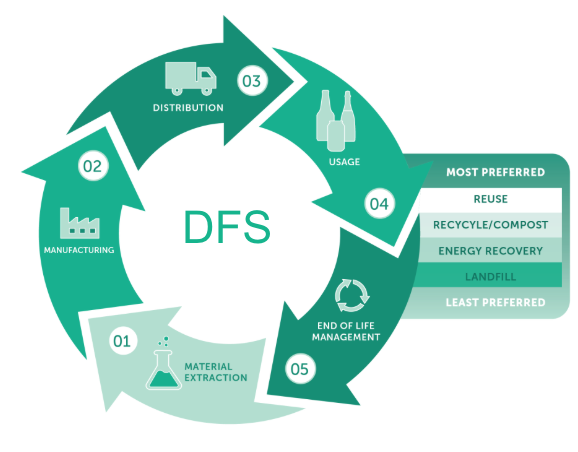
Lifecycle

Visual models (DVT), Fit/feature validation (EVT)

Lead Time

As fast as 1 day

Resolution

0.016 mm (0.03 mm for VeroBlack)

3D Printing Materials

ABS-Like

Rubber-Like

Vero

VeroClear

ABS-Like

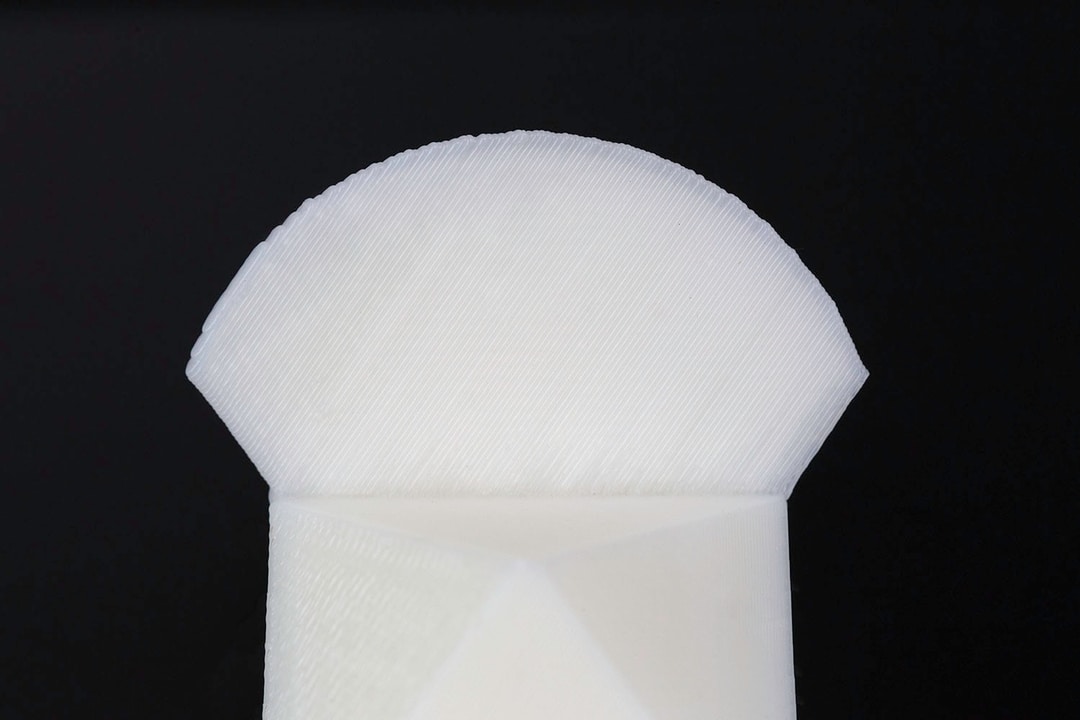
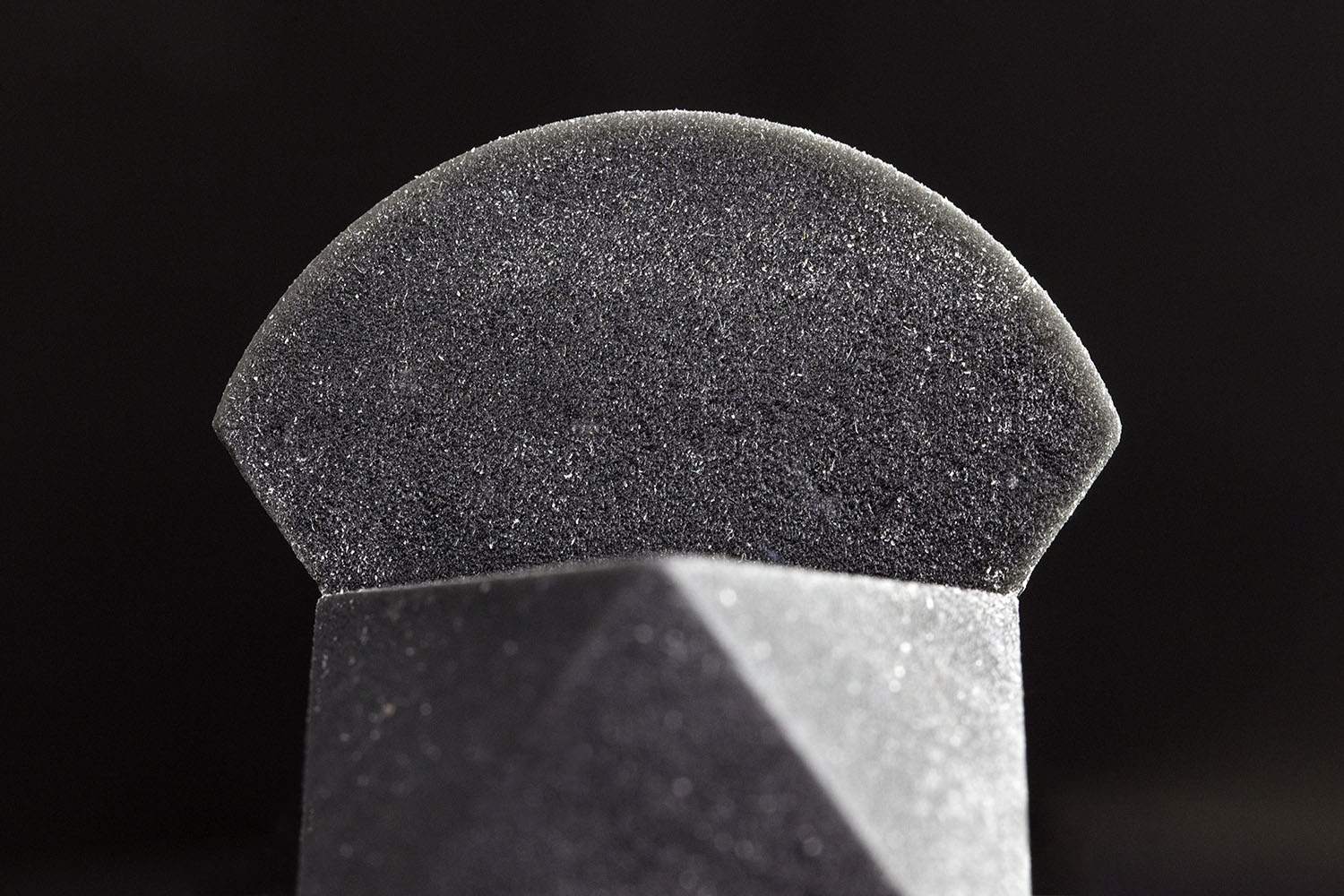
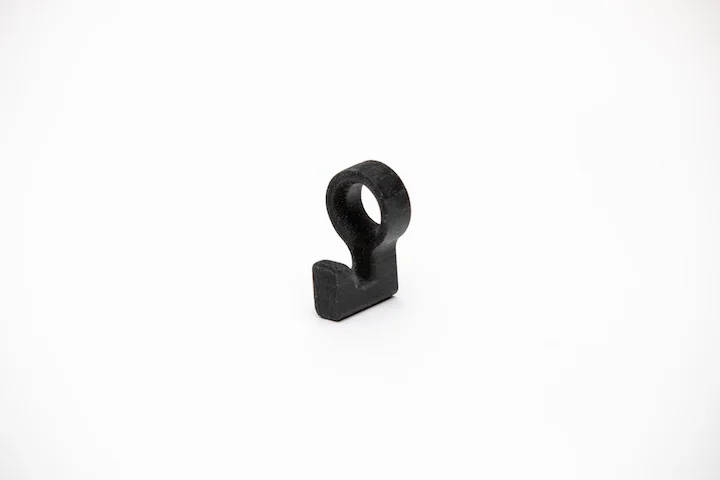
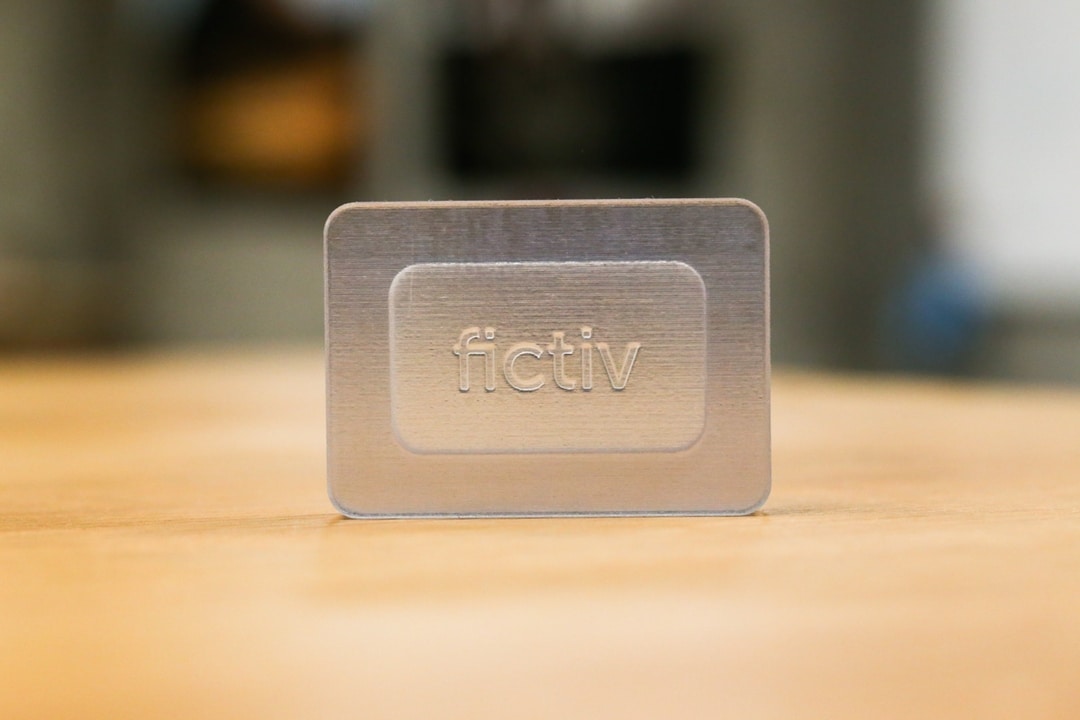
ABS-like is our closest representation of injection molded ABS in a 3D printed material. It has the same high resolution appearance as VeroWhite, but the material is much stronger and more durable.
Process:
Polyjet
Colors:
Off-white
Resolution:
0.016 mm
Max Print Size:
490 x 390 x 200 mm

Design Recommendations

Max Part Size [x, y, z]

490 x 390 x 200 mm

Min Part Size [x, y, z]

5 x 5 x 5 mm

Tolerance

+/- 0.2 mm

Min Part Wall Thickness

1.0 mm
  • Gaps for mating parts: 0.1mm off of each wall.
  • Avoid sharp corners.
  • Avoid enclosed designs. To remove support material from PolyJet parts, the machinist must have line-of-sight access to all areas that require cleaning.
  • Ribbing helps avoid warping on long, flat parts.

About the Process

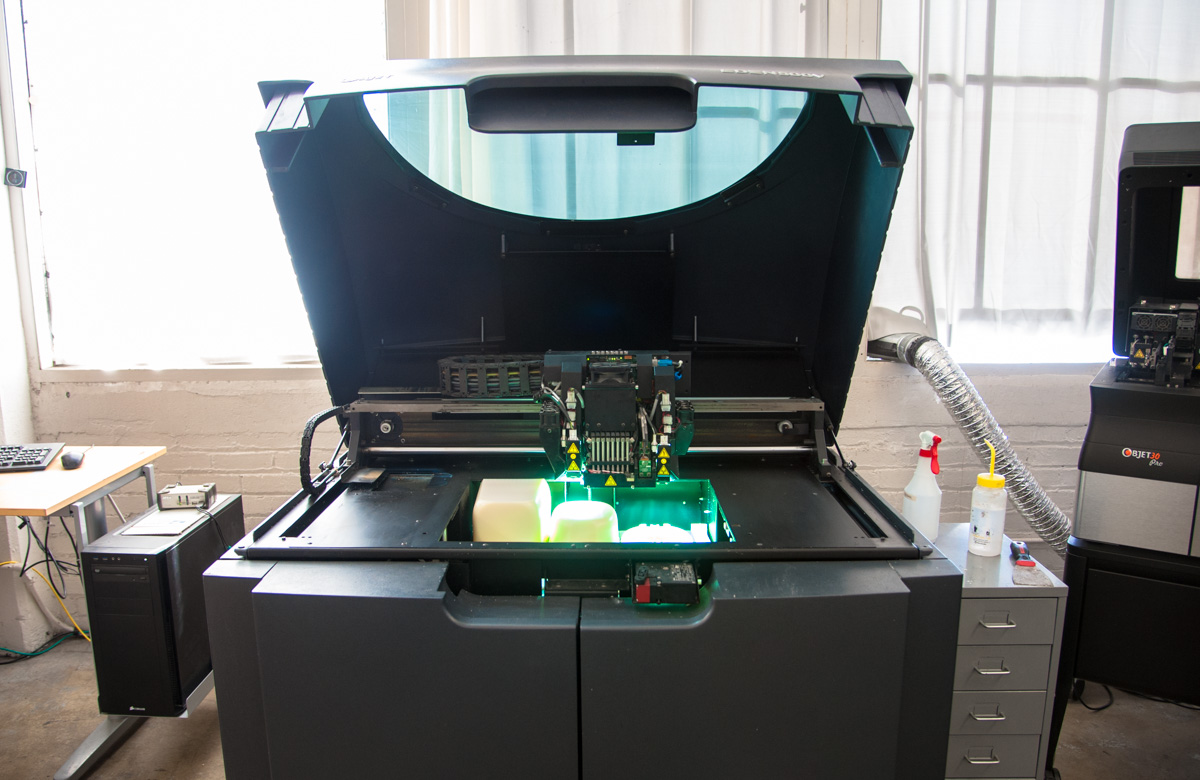
PolyJet is a 3D printing technology similar to inkjet document printing, but instead of jetting drops of ink onto paper, PolyJet 3D printers jet layers of liquid photopolymer onto a build tray and instantly cure them with UV light. The layers build up to create a precise 3D model or prototype.

Along with the selected model materials, the PolyJet 3D printer also jets a gel-like support material specially designed to uphold overhangs and complicated geometries. It is easily removed by hand or water.

YOU MIGHT ALSO BE INTERESTED IN

Large-Format 3D Printing: Process, Design, and Sourcing Guide

As product design cycles accelerate, the demand for large-format industrial 3D printing has shifted from rapid prototyping to functional applications. Moving beyond the constraints of consumer-grade desktop systems, large-scale 3D printing enables engineers to produce full-scale components, enclosures, jigs, and fixtures without the lead times associated with traditional tooling. What Is Large Format 3D Printing? […]

Learn More

Prototyping Lead Time: Process Timelines and How to Reduce Delays

Prototyping lead time is often framed as a simple question: “How long will it take to get my part?” In reality, the answer is rarely determined by machine time alone. A prototype expected in days can easily take weeks—not because of production constraints, but because of delays in quoting, design iteration, manufacturability feedback, and supplier […]

Learn More