






Time to read: 8 min
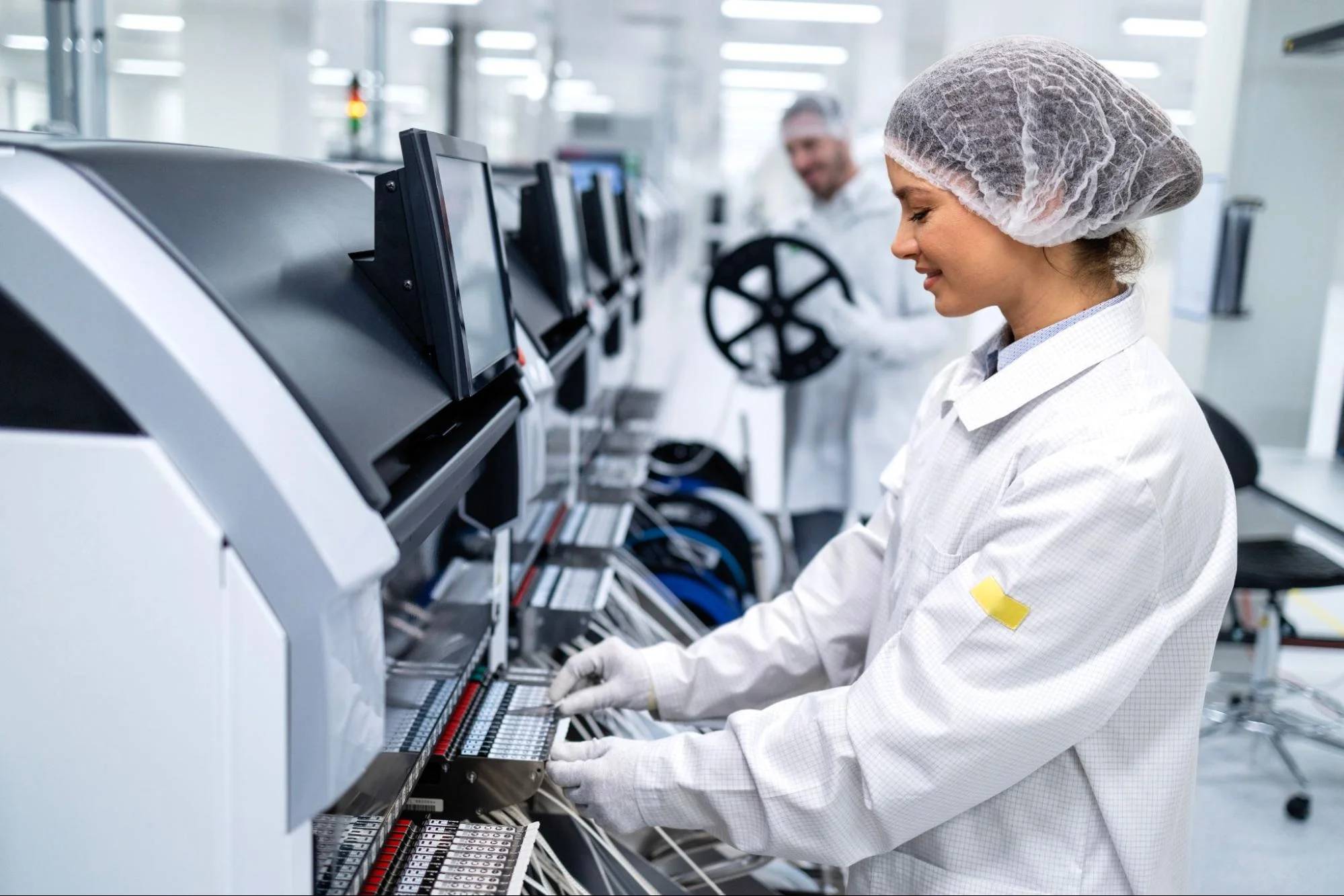
Cleanroom manufacturing is the production of components in a controlled environment where airborne particles, temperature, humidity, and contamination are strictly regulated according to ISO 14644 standards.
Manufacturing in a cleanroom is essential when even microscopic contamination can cause product failure. Cleanrooms allow manufacturing processes like injection molding and CNC machining to be carried out under highly controlled environmental conditions, limiting contaminants in the components or assemblies being produced.
This guide explains when cleanroom manufacturing is required, how ISO classifications work, and how to design parts and assemblies to meet stringent contamination and performance requirements.
When is Cleanroom Manufacturing Required?
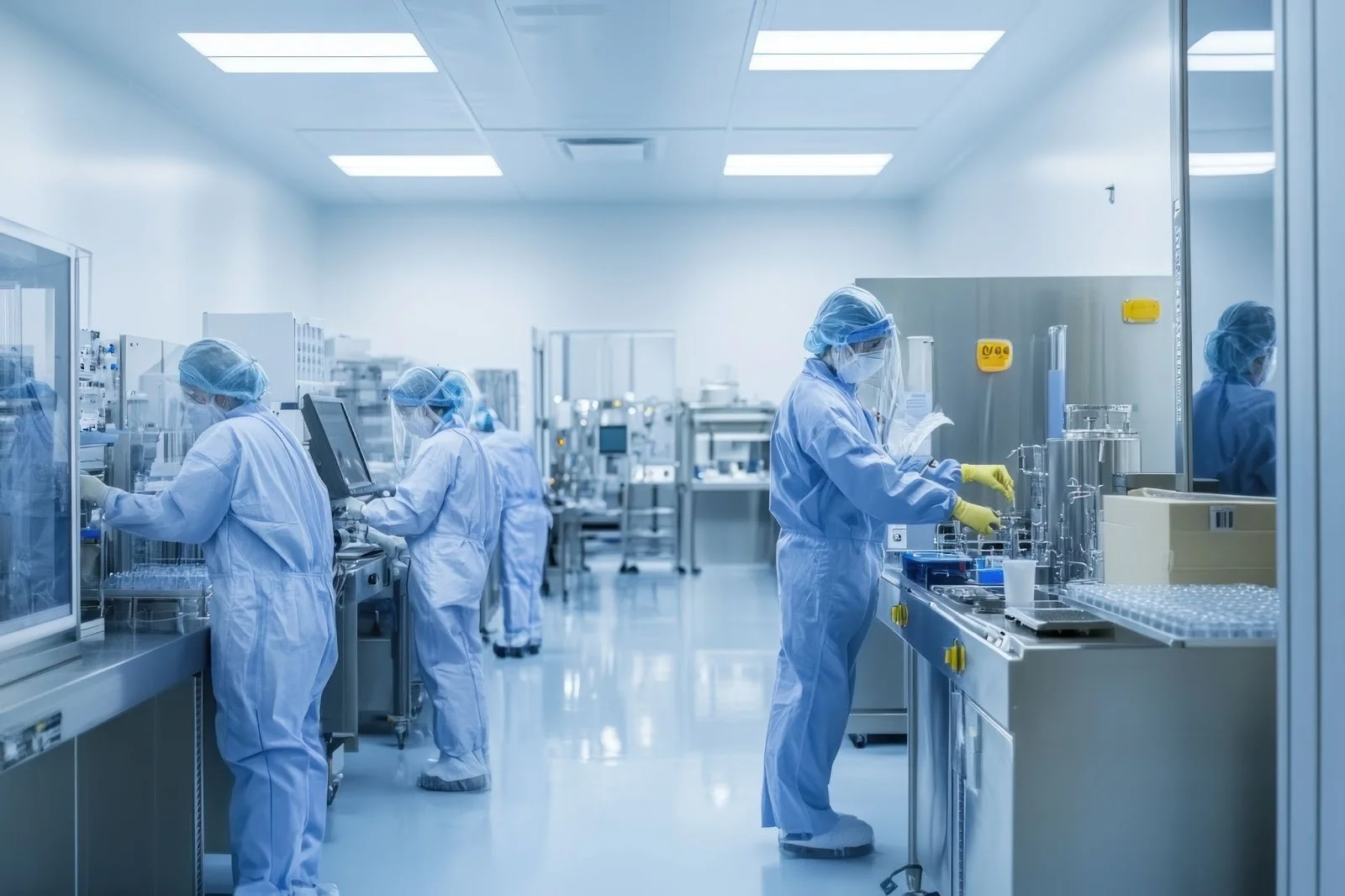
Cleanroom manufacturing is used when fabricating components that are particularly vulnerable to contamination by foreign particles or microbiological elements. Manufacturing in a controlled environment keeps surfaces free of external contamination, reducing the risk of surface imperfections and microscopic bacterial or fungal growth.
The high quality made possible by cleanroom manufacturing is essential for sensitive components like medical implants and surgical instruments, and for items that cannot risk failure, such as aerospace or defense components. Microbiological contamination can compromise the sterility and safety of medical devices. Everyday contamination like dust, oils, and moisture can cause short circuits or premature corrosion on electronic components.
Cleanroom manufacturing may also be necessary for components that must meet strict regulatory requirements for parameters such as material purity or surface finish. Cleanroom conditions are governed by ISO 14644.
Cleanroom manufacturing is required when:
- Contamination can cause product failure (e.g., semiconductors)
- Sterility is critical (medical devices, pharma)
- Surface finish or material purity must meet strict standards
- Regulatory compliance (ISO, FDA) is required
Cleanroom ISO Classifications Explained
Cleanroom classifications are defined by the International Organization for Standardization (ISO 14644) and are based on the number and size of airborne particles permitted per cubic meter of air.
ISO Class 1 represents the most stringent level of cleanliness, allowing only extremely low particle counts. At the other end of the spectrum, ISO Class 9 allows significantly higher levels of contamination and is closer to typical ambient air conditions.
For most component manufacturing applications, ISO Class 8 and ISO Class 7 are the most commonly used. These environments provide sufficient control for processes like CNC machining, injection molding, and assembly of precision components. More stringent environments—ISO Class 5 and cleaner—are typically required for semiconductor manufacturing, nanotechnology, and highly sensitive medical or pharmaceutical applications.
ISO Cleanroom Classes, Based on Airborne Particle Density
| ISO Class | Maximum number of particles above size (per cubic meter) | |||||
| ≥0.1µm | ≥0.2µm | ≥0.3µm | ≥0.5µm | ≥1µm | ≥5µm | |
| Class 1 | 10 | 2 | 1 | – | – | – |
| Class 2 | 100 | 24 | 10 | 4 | 1 | – |
| Class 3 | 1,000 | 237 | 102 | 35 | 8 | – |
| Class 4 | 10,000 | 2,370 | 1,020 | 352 | 83 | 3 |
| Class 5 | 100,000 | 23,700 | 10,200 | 3,520 | 832 | 29 |
| Class 6 | 1,000,000 | 237,000 | 102,000 | 35,200 | 8,320 | 293 |
| Class 7 | – | – | – | 352,000 | 83,200 | 2,930 |
| Class 8 | – | – | – | 3,520,000 | 832,000 | 29,300 |
| Class 9 | – | – | – | 35,200,000 | 8,320,000 | 293,000 |
Which ISO Cleanroom Class Should You Use?
Selecting the appropriate ISO class depends on how sensitive your application is to contamination, as well as any regulatory or performance requirements:
ISO Class 8
Suitable for general cleanroom manufacturing where basic contamination control is sufficient, such as CNC machining, injection molding, and industrial components.
ISO Class 7
Used for more demanding applications, including medical device components and precision assemblies, with tighter control over airborne particles.
ISO Class 5 and cleaner
Required for ultra-sensitive applications such as semiconductor fabrication, sterile pharmaceutical production, and advanced medical technologies.
In practice, selecting a cleanroom class is a balance between performance requirements, regulatory compliance, and cost. Over-specifying cleanliness can increase manufacturing complexity and lead times, while under-specifying can introduce risk to product quality and reliability. Collaborating with manufacturing partners early in the design process helps ensure the right environment is selected based on real-world production constraints.
Industries That Require Cleanroom Manufacturing
There are a number of industries that typically require components to be manufactured under cleanroom conditions:
- Medical devices: Require cleanroom manufacturing both for tight tolerances and for microbiological control.
- Pharmaceuticals: Cleanrooms are necessary for pharmaceutical production, primarily to prevent microbiological (fungal or bacterial) contamination and to protect the health of the patients.
- Semiconductors: The small size of semiconductor elements requires precision placement and cleanliness to prevent foreign bodies from altering the precisely designed electronic characteristics of the printed circuits.
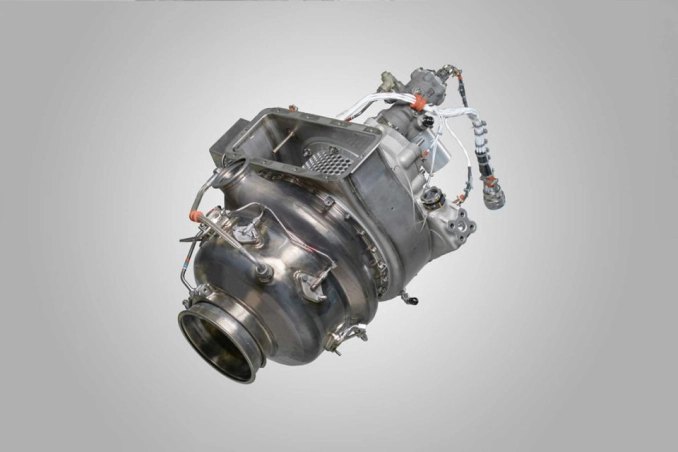
- Aerospace: The reliable performance of aerospace components (such as in propulsion assemblies, or bushings and bearings) is critical. Manufacturing these components in cleanrooms lowers the risk of failure due to material contamination, surface imperfections, or foreign matter during assembly.
- Optics: Particulate contamination on the surfaces of precision optical lenses can cause a number of defects that reduce image accuracy—including reduced light transmission, coating adhesion failure, and light scattering and distortion.
Cleanroom Manufacturing vs. Standard Manufacturing
The table below compares key aspects of component manufacture in standard environments vs. production under cleanroom conditions.
Comparison of Standard and Cleanroom Manufacturing Factors
| Factor | Cleanroom Manufacturing | Standard Manufacturing |
| Environmental control | Strict | Minimal |
| Cost | Higher | Lower |
| Lead time | Longer | Shorter |
| Product quality | Higher (stricter control) | Standard (limited control) |
| Suitability | Sensitive, precision components | General industrial parts |
| Surface finish | High quality | More variable |
| Post-processing needs | Generally less | Required more frequently |
| When required | Regulated / contamination-sensitive | General use |
Key Design Considerations for Cleanroom Manufacturing
If your component is critical enough to be manufactured under cleanroom conditions, it’s important to consider the entire design to ensure it achieves peak performance.
Material Selection
Material selection plays a critical role in cleanroom manufacturing, as materials must resist corrosion, chemical exposure, and particle generation to prevent contamination. Environmentally resistant materials help minimize degradation from chemicals or oxidation that could compromise cleanliness. Materials prone to particle shedding (such as soft or brittle plastics) should be carefully evaluated or avoided, while metals like stainless steel are preferred for their durability and low-shedding characteristics.
Surface Finish Requirements
For products that must remain easy to clean throughout their service lives, a smooth finish should be specified. Even when protection against microbiological contamination isn’t required, a smooth surface reduces friction and particle shedding that can result from wear.
Design for Cleanability
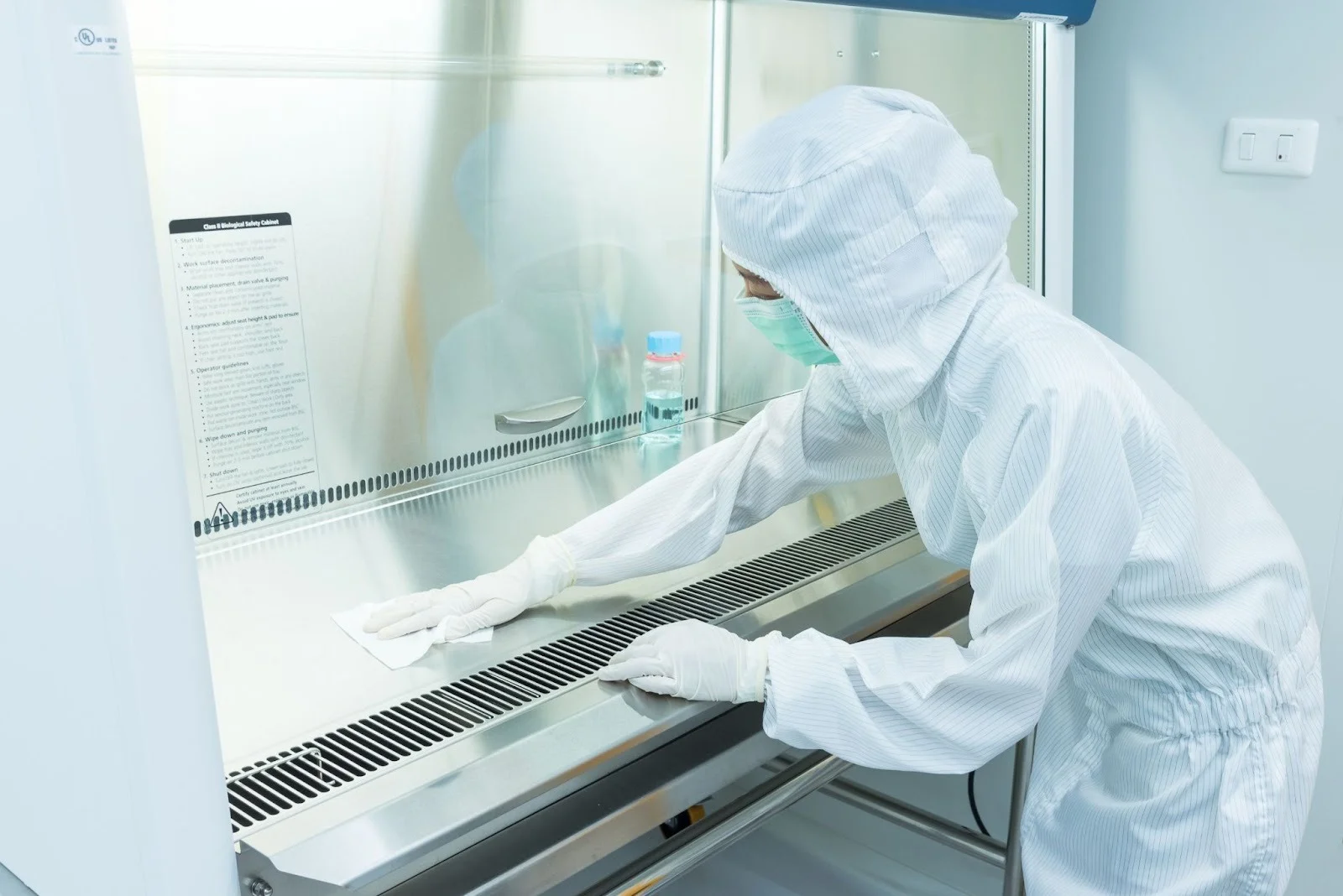
Components intended for cleanroom environments should be designed to minimize areas where contaminants can accumulate and to enable effective cleaning. Avoid features such as deep blind holes, sharp internal corners, and tight crevices, as these can trap particles or moisture. Instead, use smooth surfaces, generous radii, and open geometries wherever possible.
Tolerance and Fit
Precision machining and assembly under cleanroom conditions allow for much smaller tolerances and tighter fits. It’s important to specify tight tolerances only on the interfaces that need them, rather than across the entire component, to balance the risks of interference and friction. Unnecessary interference may cause abrasion and particle generation during operation, risking premature failure.
Assembly Considerations
All the considerations above help ensure the longevity and performance of a full assembly. Despite the precision and reliability of cleanroom manufacturing, it remains wise to minimize the number of moving parts at the design stage. Identify potential failure points and strengthen or eliminate them where possible. Consider how the design can reduce contamination sources within the assembly.
Manufacturing Processes Used in Cleanroom Environments
Some of the manufacturing processes that can be carried out in cleanroom environments are explained below.
Injection Molding
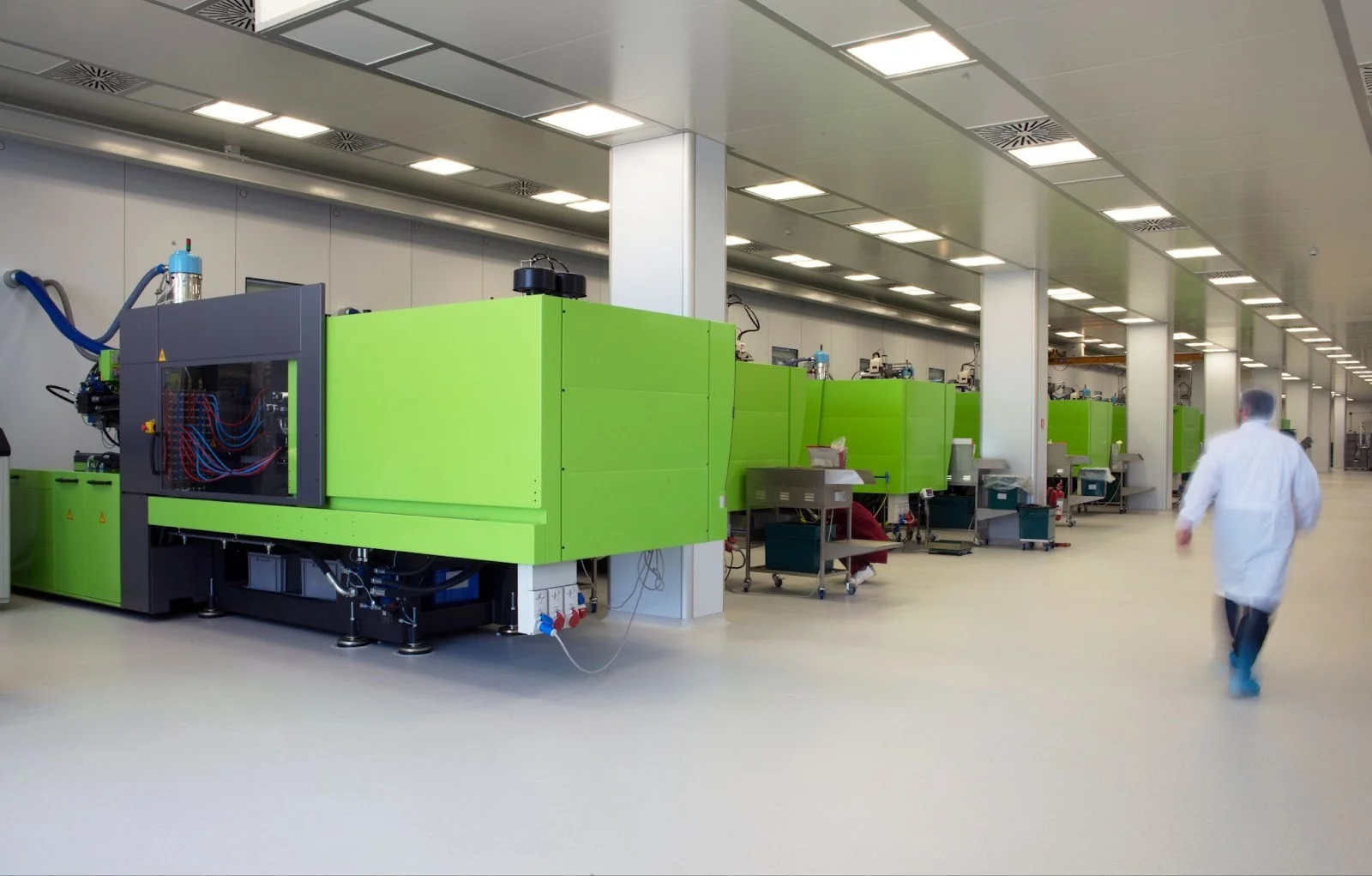
Cleanroom conditions enhance product quality from injection molding by reducing particulate contamination. The clamping unit that closes and opens the two mold halves can be operated under cleanroom conditions, keeping molds and ejected parts clean of contaminants
CNC Machining
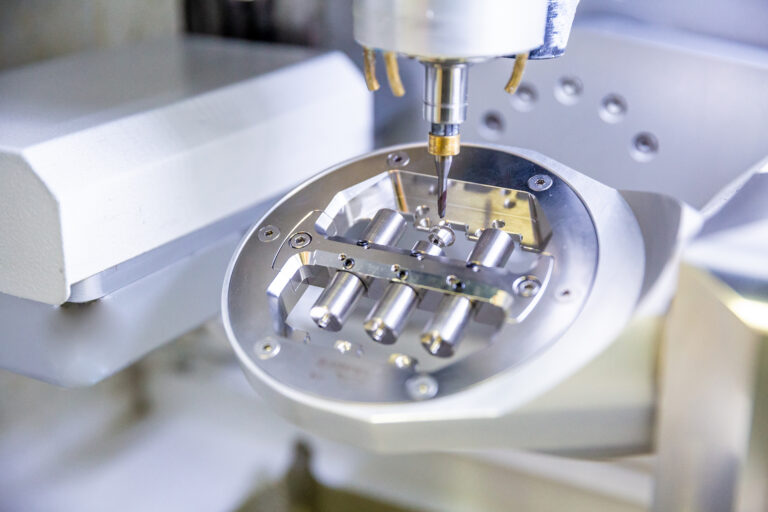
High-precision CNC machining can achieve an extremely fine level of dimensional accuracy. Contamination by particles or even oils from fingerprints can affect the accuracy or surface finish of a completed part. Blemishes or microscopic imperfections can cause stress concentrations and failure points in mechanical applications, or harbor bacterial contamination in medical applications.
Assembly Processes
Assembly of products that cannot tolerate contamination demands the same rigorous control as the manufacturing steps that precede it. The geometry of some assemblies can result in small, closed spaces that must be kept free of biological agents or excessive moisture. At joints, in gears, and on wearing surfaces, stray particulate matter can cause malfunction or premature failure. For electronic assemblies, static must be carefully managed, as must any contamination that may create a conductive path and cause a short circuit.
Challenges in Cleanroom Manufacturing
Cleanroom manufacturing is only used when strictly necessary, as maintaining a cleanroom comes with a number of challenges. The biggest drawback is cost—not only the initial construction of the cleanroom using specialized materials and methods, but also ongoing expenses like operating air-handling units and supplying cleanroom apparel for staff.
Strict compliance requirements add further cost. These include initial or periodic room qualification according to ISO 14644, as well as ongoing costs associated with additional staff and systems to maintain and demonstrate compliance.
The number of suppliers with the facilities to manufacture in a cleanroom is limited, which constrains the choice of fabricators and lead time flexibility. As a result, sourcing specialized components can be more challenging, particularly for projects requiring strict contamination control.
How to Source Cleanroom Manufacturing Effectively
Sourcing cleanroom manufacturing can be tricky. Beyond the limited supplier pool, the qualification of cleanrooms is challenging enough that oversights in compliance may not be easy to identify without a factory visit. It’s vitally important in cleanroom manufacturing to be assured that the workshop’s quality systems are robust. Supply chain flexibility is hard to maintain if you only have access to one or two trusted manufacturers with cleanroom facilities.
The Fictiv platform provides access to multiple suppliers that have already been vetted, with quality systems that have been verified through regular Fictiv audits. Fictiv’s trusted partner network extends globally, with in-region support, giving access to a wider range of manufacturers and locations.
Maximizing Value with Cleanroom Manufacturing
Certain sensitive applications require components to be manufactured under cleanroom conditions. However, cleanroom manufacturing can come with additional cost and longer lead times. It’s important to carefully consider these factors in design decisions, while still ensuring impeccable performance in the final product.
Define specific user requirements upfront. This allows selection of the optimal manufacturing process and environment based on the necessary tolerances and finishes you need to achieve.
Incorporating Design for Manufacturability (DFM) feedback from a cleanroom manufacturing specialist and other qualified, trusted partners is key to optimizing the design and successfully producing these critical components. Fictiv supports this process end-to-end, connecting you with the right cleanroom manufacturing facility and providing DFM feedback to keep projects on track and cost-effective.
Get a quote for cleanroom manufacturing or speak with an expert about ISO-compliant production.
Cleanroom Manufacturing FAQs
What is cleanroom manufacturing?
Cleanroom manufacturing refers to producing components in a controlled environment where airborne particles, temperature, humidity, and contamination are strictly regulated according to standards such as ISO 14644. It is used for applications where even microscopic contamination can impact performance or safety.
What ISO cleanroom class is required for manufacturing?
The required ISO class depends on the application. ISO Class 7 and Class 8 are commonly used for general component manufacturing, while stricter environments such as ISO Class 5 or cleaner are required for semiconductor production, pharmaceuticals, and certain medical devices.
Can CNC machining be performed in a cleanroom?
Yes, CNC machining can be performed in a cleanroom environment for high-precision or contamination-sensitive parts. Additional controls—such as specialized cleaning, handling, and packaging—are typically required to maintain cleanliness standards.
What materials are suitable for cleanroom manufacturing?
Materials that resist corrosion and minimize particle shedding are preferred. Common choices include stainless steel and certain engineered plastics. Material selection should also consider compatibility with cleaning processes and the risk of generating contaminants during use.