





Time to read: 11 min
Engineering for Vacuum, Thermal Extremes, and Reliability
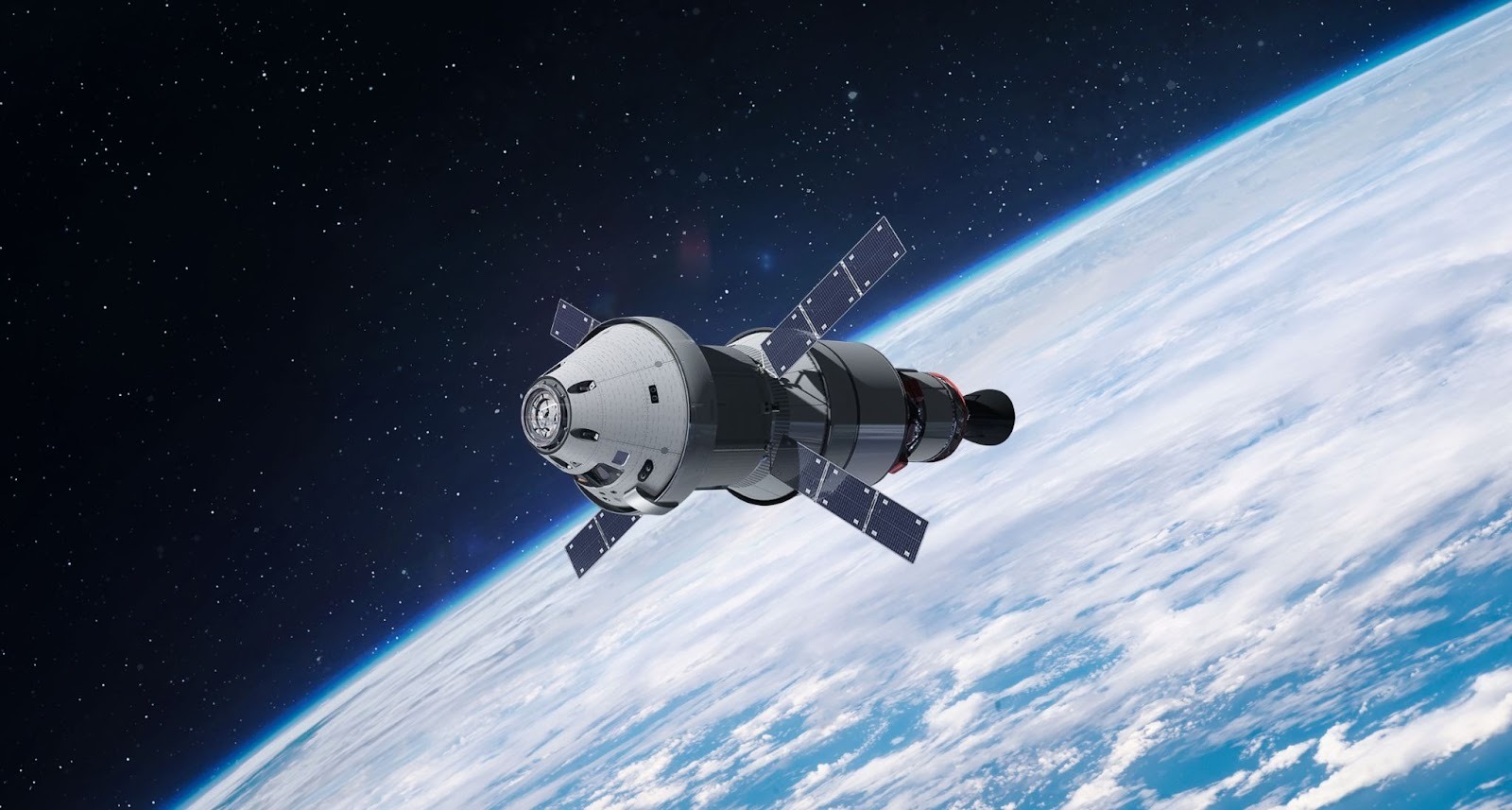
Aerospace materials and finishes for spacecraft must be selected to withstand vacuum, radiation, thermal cycling, and outgassing. These conditions introduce failure modes such as cold welding, material degradation, and contamination of sensitive components, requiring material and surface finish selection to be evaluated together to ensure reliable performance in orbit.
Designing for space introduces constraints that do not exist in terrestrial environments. On Earth, materials and finishes benefit from atmospheric protection, stable temperatures, and predictable wear conditions. In space, those assumptions break down. Aerospace applications span both atmospheric flight and space systems, but spacecraft represent the most extreme operating environment—where material and finish selection becomes significantly more critical.
A surface finish that performs well in an aircraft or industrial setting can fail catastrophically in orbit. In extreme cases, the wrong combination of materials and finishes can cause components to seize permanently due to cold welding, or contaminate sensitive optics through outgassing.
For aerospace and satellite engineers, success depends on evaluating materials and surface finishes as an integrated system rather than as independent choices. This article outlines the key considerations—and how to approach selection with these risks in mind.
Key Takeaways: Aerospace Materials and Finishes
- Space environments introduce vacuum, radiation, and extreme thermal cycling
- Surface finishes are critical for preventing cold welding and controlling heat transfer
- Low-outgassing materials are essential to avoid contamination
- Material + finish must be evaluated as a system, not independently
- Validation testing (thermal cycling, ASTM E595) is required for reliability

Move faster with a partner built for regulated programs.
Upload your part and get a compliant quote—from a team with the systems, workflows, and experience to keep your program on schedule.
See what your part would costMaterial Selection Fundamentals for Aerospace Applications
Material selection must align with the operating environment, functional requirements, and compatibility with surface finishes.
| Factor | Aircraft | Spacecraft |
| Environment | Atmospheric | Vacuum |
| Key concern | Fatigue, corrosion | Outgassing, radiation |
| Temperature range | Moderate | Extreme |
| Lubrication | Liquid lubricants | Solid lubricants |
Why Space Environments Change Material Behavior
Vacuum: No Oxygen, No Protection
On Earth, most metals naturally form oxide layers that act as protective barriers. These layers limit direct metal-to-metal contact and reduce adhesion. In a vacuum, oxide layers do not regenerate, and any existing layer can be disrupted under load.
As a result, when two clean metal surfaces come into contact, the real area of contact increases as surface asperities deform. At sufficient pressure, atomic bonding can occur across the interface. This leads to:
- Dramatically increased friction
- Galling at contact interfaces
- The potential for cold welding
Lubrication is also affected. Many conventional oils and greases volatilize in a vacuum, leaving surfaces unprotected and increasing the likelihood of seizure.
Thermal Extremes and Cycling
Space systems routinely experience temperature swings from −150°C to +150°C or more, depending on orbit and exposure. Unlike terrestrial systems, these temperature changes are driven primarily by radiative heating and cooling rather than convection.
This creates challenges at both the material and coating levels. Differences in coefficient of thermal expansion (CTE) between a substrate and its surface finish can introduce cyclic stresses, which over time may lead to microcracking, delamination, or loss of adhesion.
Surface finishes are not just protective—they directly influence thermal behavior. Properties such as emissivity and absorptivity determine how components gain and reject heat, making finish selection a key part of thermal design.
Radiation Exposure
Space environments expose materials to UV radiation, charged particles, and—particularly in low Earth orbit—atomic oxygen. These effects accumulate over time and can significantly alter material properties.
Polymers are especially susceptible to embrittlement and degradation, while coatings may experience erosion or changes in surface chemistry. These changes are often gradual, which makes long-term reliability a primary concern during material selection.
Outgassing and Contamination
In a vacuum, volatile compounds trapped within materials or coatings can be released—a process known as outgassing. These volatiles can migrate and condense on colder surfaces elsewhere in the system.
This becomes a system-level issue. Thin contaminant films on optical elements, sensors, or solar panels can reduce performance well below design expectations. Even small amounts of contamination can have outsized effects.
For this reason, aerospace materials and finishes are typically evaluated against ASTM E595 (NASA) requirements:
- Total Mass Loss (TML) < 1.0%
- Collected Volatile Condensable Materials (CVCM) < 0.1%
Outgassing performance depends not only on the base material, but also on processing, curing, and cleanliness.

Space Environment Effects on Materials and Finishes
Material selection in aerospace varies significantly between atmospheric and space environments. The table below highlights the key differences that drive these decisions.
| Environmental Factor | Primary Risk | Impact on Materials/Finishes | Typical Design Response |
| Vacuum | Cold welding, lubricant loss | Increased adhesion, metal-to-metal bonding, evaporation of oils | Use coatings (anodize, plating), dry film lubricants, dissimilar materials |
| Thermal Cycling | Coating stress, fatigue | Expansion mismatch, cracking, delamination | Match CTE, use compliant coatings, validate via thermal cycling |
| Radiation (UV, particles) | Material degradation | Polymer embrittlement, coating breakdown | Select radiation-resistant materials, validate long-term performance |
| Atomic Oxygen (LEO) | Surface erosion | Oxidation and erosion of exposed materials | Use protective coatings (e.g., AO-resistant coatings) |
| Outgassing | Contamination | Volatile release deposits on optics/sensors | Use low-outgassing materials (ASTM E595), bake-out processes |
| Plasma / Charging | Electrostatic discharge (ESD) | Charge buildup on surfaces, discharge events | Use conductive coatings, control surface resistivity, grounding strategies |
Selecting the Best Materials for Space Applications
Metals
Common aerospace metals include:
- Aluminum (6061, 7075): lightweight, machinable, good thermal properties
- Titanium (Ti-6Al-4V): high strength, corrosion resistance
- Stainless steel (304, 316): durability, wear resistance
Aluminum alloys such as 6061 and 7075 offer a strong balance of weight, machinability, and thermal conductivity. Titanium alloys like Ti-6Al-4V provide higher strength and excellent corrosion resistance, though they are more prone to galling without proper surface treatment. Stainless steels offer durability and wear resistance but can introduce weight and thermal penalties.
In space applications, material selection is rarely made in isolation. The interaction between materials—particularly at contact interfaces—is often more important than the individual material properties.
Plastics and Polymers
High-performance polymers such as:
These polymers are used when weight reduction, electrical insulation, or low friction are critical. However, their use is constrained by outgassing and radiation sensitivity. Polymers must be carefully selected, processed, and validated to ensure they meet vacuum compatibility requirements. In many cases, material grades and manufacturing processes are chosen specifically to minimize residual volatiles.
Composites
Carbon fiber composites offer excellent strength-to-weight ratios but introduce additional considerations. Resin systems can outgas, and repeated thermal cycling may lead to microcracking at the matrix level.
Surface finishing of composites is also more complex, as coatings must adhere to anisotropic substrates with different thermal and mechanical behavior than metals.
Across all material classes, successful space hardware design depends not just on selecting the right material, but on understanding how materials behave together under real operating conditions—including vacuum, thermal cycling, and mechanical load.
Surface Finish Selection in Aerospace
Surface finishes are not just protective—they are functional engineering elements in space systems.
Why Surface Finish Matters More in Space
Surface finishes in aerospace systems do more than protect—they actively define how components interact, both mechanically and thermally.
On Earth, oxide layers, lubricants, and environmental conditions provide a degree of forgiveness. In space, surfaces remain chemically active, lubrication is constrained, and contaminants persist rather than dissipate. This makes finish selection a primary factor in system reliability.
Common Aerospace Surface Finishes (and When to Use Them)
Surface finishes in aerospace systems do more than protect parts—they define how components interact mechanically, thermally, and electrically. In space applications, finishes are often the primary means of controlling friction, preventing adhesion, and managing heat transfer.
The finishes below are widely used across aerospace and spacecraft systems, but their performance depends heavily on application context—particularly at contact interfaces and exposed surfaces.
Anodizing (Type II and Type III)
Anodizing creates a stable oxide layer on aluminum that acts as both a wear surface and a barrier to direct metal contact. It is commonly used to reduce adhesion and improve durability in structural components.
Electroless Nickel Plating
Electroless nickel provides a uniform, conformal coating that is especially useful for complex geometries or internal features where consistent coverage is required.
Dry Film Lubricants (e.g., MoS₂)
Dry film lubricants are widely used in spacecraft mechanisms to provide reliable low-friction performance in vacuum, where traditional lubricants are not viable.
Gold Plating
Gold plating is primarily used for electrical contacts and signal-critical components where stable conductivity and resistance to oxidation are required.
Passivation (Stainless Steel)
Passivation improves corrosion resistance by removing free iron from stainless steel surfaces, making it suitable for non-moving components in harsh environments.
Thermal Control Coatings
Thermal control coatings are engineered to manage radiative heat transfer, allowing designers to tune how surfaces absorb and emit energy in space.
How to Choose the Right Aerospace Surface Finish
In space applications, surface finishes aren’t just a finishing step—they’re often what makes the design work in the first place. The right finish can prevent failure modes that don’t exist on Earth, while the wrong one can introduce them.
The key is to start with the function the surface needs to serve.
- If the goal is to prevent sticking or seizure (cold welding):
You need to break up direct metal-to-metal contact. Anodizing, electroless nickel, and dry film lubricants (like MoS₂) are commonly used to reduce adhesion and enable reliable motion in vacuum. - If the part sees repeated motion or wear:
Surface durability becomes the priority. Hard anodizing or electroless nickel can increase surface hardness and extend life—but you’ll need to consider how those coatings behave under thermal cycling. - If electrical performance matters:
For connectors, grounding paths, or RF components, finishes like gold plating or conductive coatings help maintain stable conductivity and reduce contact resistance over time. - If thermal control is critical:
Surface finish directly affects how a component absorbs and radiates heat. Thermal control coatings are selected based on emissivity and absorptivity, and small changes here can have system-level impacts. - If the concern is environmental protection (ground, launch, or handling):
Finishes like passivation or anodizing can still play an important role—even if traditional corrosion isn’t the primary risk in orbit.
In reality, these requirements often overlap. A single part might need to manage friction, thermal behavior, and electrical properties all at once. That’s why finish selection is rarely a one-variable decision—it’s about balancing tradeoffs across performance, manufacturability, and long-term reliability.
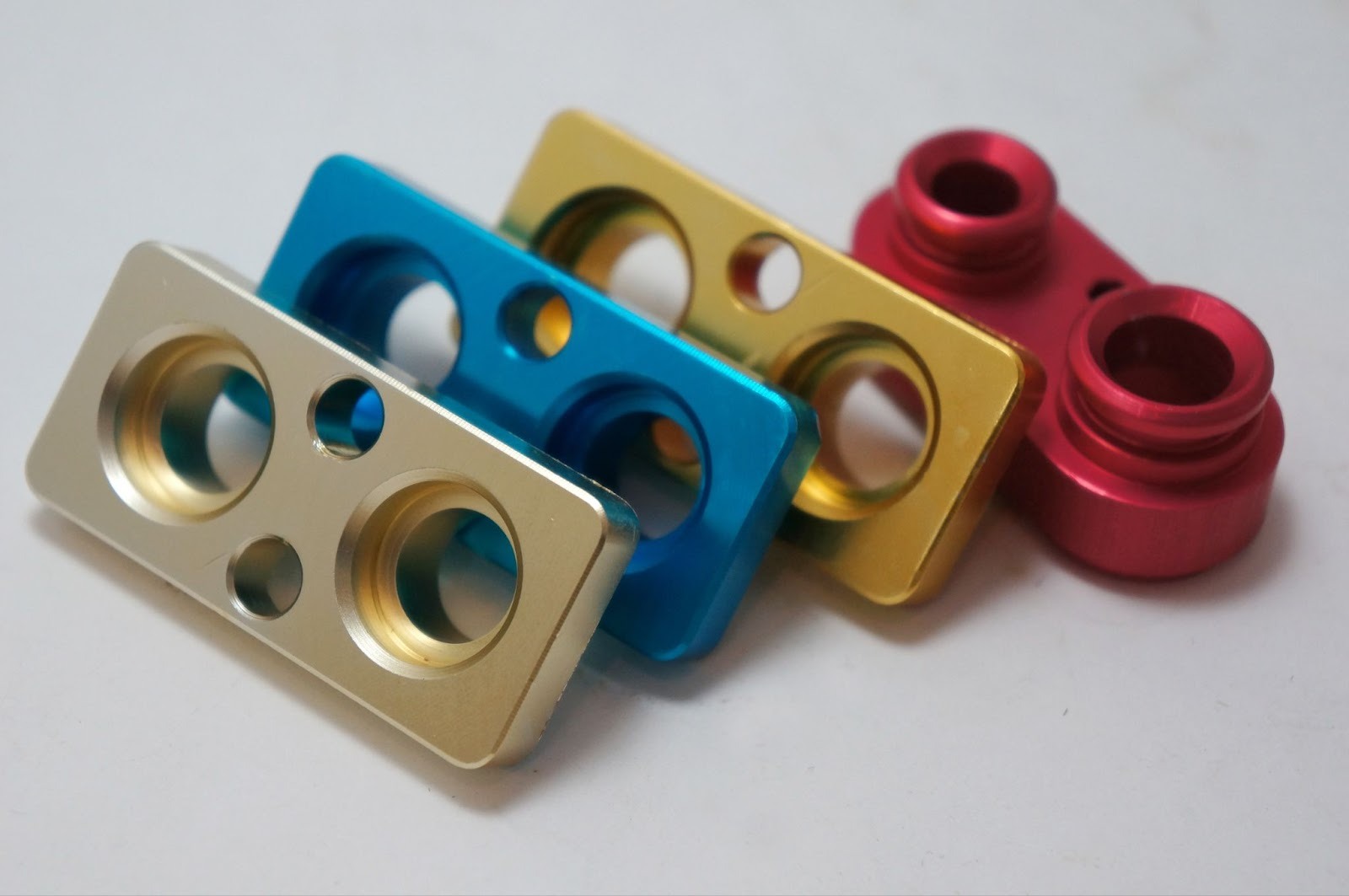
Surface Finish Selection Table for Space Applications
The table below summarizes how these finishes are typically applied in aerospace and spacecraft systems, along with key considerations that influence selection.
| Finish | Primary Function | Best Use Cases | Key Tradeoffs / Considerations |
| Anodizing (Type II/III) | Oxide barrier layer for wear and adhesion control | Aluminum structural components, contact interfaces | Reduces cold welding risk; can crack under thermal cycling due to CTE mismatch; electrically insulating (may require masking or grounding strategy) |
| Electroless Nickel | Uniform wear- and corrosion-resistant coating | Precision parts, complex or internal geometries | Conformal coating independent of geometry; phosphorus content affects hardness/brittleness; improper processing can introduce outgassing risk |
| Dry Film Lubricants (MoS₂) | Low-friction interface in vacuum | Bearings, hinges, sliding or moving assemblies | Stable in vacuum (unlike oils/greases); sensitive to humidity pre-launch; limited wear life depending on load and thickness |
| Gold Plating | High electrical conductivity and oxidation resistance | Connectors, RF components, signal-critical interfaces | Soft and prone to wear; typically requires harder underlayer (e.g., nickel); higher material cost |
| Passivation (Stainless Steel) | Removal of free iron to improve corrosion resistance | Non-moving stainless components | No wear or friction improvement; not suitable for sliding interfaces or load-bearing contact surfaces |
| Thermal Control Coatings | Control of radiative heat transfer (α/ε tuning) | External surfaces, thermal management systems | Performance defined by absorptivity (α) and emissivity (ε); may degrade over time due to UV and atomic oxygen exposure |
Critical Risk: Cold Welding and Galling in Vacuum
What Is Cold Welding?
Cold welding occurs when clean metal surfaces bond together in a vacuum due to the absence of oxide layers and contaminants. At the microscopic level, surface asperities deform under load, increasing true contact area and enabling atomic bonding.
This phenomenon is most likely to occur in components where contact is combined with load and, in many cases, motion. Threaded fasteners, bearings, hinges, and deployment mechanisms are all common risk areas.
How to Prevent It
Preventing cold welding requires interrupting direct metal contact or reducing adhesion at the interface. This is typically achieved through:
- Dissimilar material pairings
- Barrier coatings such as anodizing or plating
- Dry film lubricants
- Controlled surface roughness
These decisions are often made at the interface level, not just the component level, and small changes in finish or geometry can significantly affect performance.
Outgassing and Contamination Control
Why It Matters
Outgassing can lead to:
- Optical degradation
- Reduced solar panel efficiency
- Sensor interference
Key Design Considerations
- Select materials with proven low outgassing properties
- Ensure coatings are fully cured
- Avoid trapped volatiles in adhesives and finishes
- Validate all materials against ASTM E595
The Low-Volume Injection Molding Guide
 Download Now

Thermal and Optical Considerations in Finish Selection
Surface finishes directly influence thermal performance.
Key Properties
- Emissivity (ε): ability to radiate heat
- Absorptivity (α): tendency to absorb solar energy
Design Tradeoffs
- High emissivity coatings help dissipate heat
- Low absorptivity coatings reduce solar heating
The optimal solution depends on:
- Orbit type
- Component function
- Exposure conditions
Surface Roughness Matters
Finish texture affects:
- Radiative properties
- Coating adhesion
- Wear behavior
Even micrometer-level variations can impact system performance.
In addition to mechanical and thermal performance, surface finishes also influence electrical behavior—particularly in how spacecraft manage electrostatic charge.
Electrostatic Discharge (ESD) Considerations
In space environments, surfaces are exposed to charged particles and solar radiation, which can lead to electrostatic charge buildup. Without controlled dissipation paths, this charge can accumulate and discharge suddenly, potentially disrupting or damaging onboard electronics.
Material and finish selection influence how charge accumulates and dissipates. Conductive or semi-conductive coatings are often used to enable controlled charge bleed-off, while insulating finishes must be evaluated carefully to avoid unintended charge buildup—particularly on external surfaces or dielectric components.
Typical designs target specific surface resistivity ranges (e.g., 10⁵–10⁹ ohms/sq) to balance dissipation without introducing unwanted conductivity. As with other space-specific risks, ESD is best addressed early through coordinated material selection, coating choice, and grounding strategy.
Design Best Practices for Aerospace Finishes
- Avoid metal-on-metal contact in vacuum
- Specify finishes early in the design process
- Account for coating thickness in tolerances
- Use flight-proven materials when possible
- Validate suppliers for aerospace-grade processes
Common Design Mistakes to Avoid
- Using terrestrial finishes without validation
- Ignoring outgassing requirements
- Overlooking thermal expansion mismatch
- Assuming traditional lubrication will work
- Neglecting coating wear over mission life
Fictiv’s Evaluation and Selection Process
Selecting materials and finishes for aerospace applications requires a structured, risk-driven approach.
Step 1: Mission Environment Analysis
- Orbit type (LEO, GEO, deep space)
- Exposure to radiation, atomic oxygen, and thermal cycling
Step 2: Functional Requirements Mapping
- Structural vs dynamic components
- Electrical conductivity needs
- Thermal management requirements
Step 3: Risk Identification
Key risks include:
- Cold welding
- Outgassing
- Coating delamination
- Wear and friction failures
Step 4: Material + Finish Pairing
Materials and finishes must be selected together.
Examples:
- Aluminum + anodizing for structural components
- Titanium + dry film lubricant for moving interfaces
Step 5: Validation and Testing
- Outgassing testing (ASTM E595)
- Thermal cycling validation
- Vacuum performance testing
Step 6: Manufacturing Feasibility
- Coating availability and consistency
- Tolerance impacts from the finish thickness
- Scalability and lead times
How Fictiv Supports Aerospace Manufacturing
Fictiv helps aerospace teams move faster while reducing risk by:
- Providing access to a global network of aerospace-capable manufacturers
- Supporting material and finish selection for space environments
- Offering DFM guidance tailored to satellite and aerospace systems
- Enabling rapid iteration for emerging space programs
Choosing the Right Material and Finish
In aerospace and satellite design, materials and finishes are inseparable decisions. Space introduces new physics, new constraints, and new failure modes that demand a deeper level of engineering rigor.
By evaluating material properties, surface finishes, and mission conditions together, engineers can mitigate risks like cold welding, outgassing, and thermal instability—ensuring systems perform reliably in one of the most unforgiving environments imaginable.
Get started on a free quote for your aerospace parts today, or talk to our team of experts about material and finishing options.
Aerospace Material and Finish FAQs
What materials are best for satellites?
Aluminum alloys, titanium, and low-outgassing polymers like PEEK are commonly used due to their strength-to-weight ratios and stability in space environments.
Why is surface finish important in space?
Surface finishes prevent cold welding, control thermal properties, reduce wear, and minimize contamination risks from outgassing.
What is cold welding in space?
Cold welding is the bonding of metal surfaces in vacuum due to the absence of oxide layers, often causing moving parts to seize.
What coatings are commonly used in aerospace?
Anodizing, electroless nickel plating, dry film lubricants (e.g., MoS₂), gold plating, and thermal control coatings are widely used depending on application requirements.
How does Fictiv help with aerospace material selection?
Fictiv provides DFM feedback, material guidance, and access to aerospace-capable manufacturers, helping teams select materials and finishes that meet performance and environmental requirements.

Injection Molding Design Guide
Download Now