





Time to read: 6 min
Environmental resistance describes a material’s ability to withstand chemical exposure, corrosion, UV radiation, moisture, and elevated temperatures without degrading. When selecting plastics or metals for CNC machining, injection molding, or sheet metal fabrication, engineers must evaluate long-term durability under real-world operating conditions.
This guide ranks common engineering materials by overall environmental durability, corrosion resistance, and heat tolerance to simplify material selection.
Overall Environmental Resistance Rankings
Environmental Resistance of Engineering Plastics
Corrosion Resistance of Common Metals
Best Materials for Harsh Chemical Environments
Best Materials by Environmental Condition
Materials That Best Balance Environmental Resistance and Cost
Heat Resistance of Engineering Plastics
Heat Resistance of Common Metals Used in Manufacturing
How to Select Materials for Harsh Environments
Select the Right Material—Faster
FAQs About Environmental Resistance of Materials
Overall Environmental Resistance Rankings
Because plastics and metals degrade differently in harsh environments, we’ll be evaluating them separately.
Environmental Resistance of Engineering Plastics
The table below ranks commonly specified engineering plastics based on overall environmental durability (Best → Worst), including cost tradeoffs. Rankings reflect combined performance across chemical resistance, moisture stability, UV exposure, and long-term dimensional stability under typical industrial conditions.
| Rank | Material | Overall Resistance | Relative Cost | Cost–Performance Insight |
| 1 | PTFE (Teflon®) | Excellent | $$$$$ | Best resistance; machining cost + softness limit use |
| 2 | PEEK | Excellent | $$$$$ | Premium performance; justify only when required |
| 3 | ULTEM™ (PEI) | Very Good–Excellent | $$$$ | High-temp stability at a lower cost than PEEK |
| 4 | Polypropylene (PP) | Very Good | $ | Best low-cost chemical resistance option |
| 5 | HDPE / PE | Very Good | $ | Chemical tanks, fluid-handling parts |
| 6 | Acetal (POM / Delrin®) | Good–Very Good | $$ | Excellent balance of cost, stability, and machinability |
| 7 | PET / PETG | Good | $$ | Food-safe, moisture-stable, limited solvents |
| 8 | Glass-Filled Nylon | Moderate–Good | $$–$$$ | Stiff but moisture-sensitive |
| 9 | Nylon (PA 6/6) | Moderate | $$ | Strength drops in wet environments |
| 10 | Polycarbonate (PC) | Moderate | $$ | Impact resistant, solvent sensitive |
| 11 | PC-ABS | Fair–Moderate | $–$$ | Cost-effective for indoor housings |
| 12 | ABS | Fair | $ | Lowest cost; poor chemical & UV resistance |
| 13 | TPU / TPE | Poor–Fair | $$ | Flexibility trades off durability |
Corrosion Resistance of Common Metals
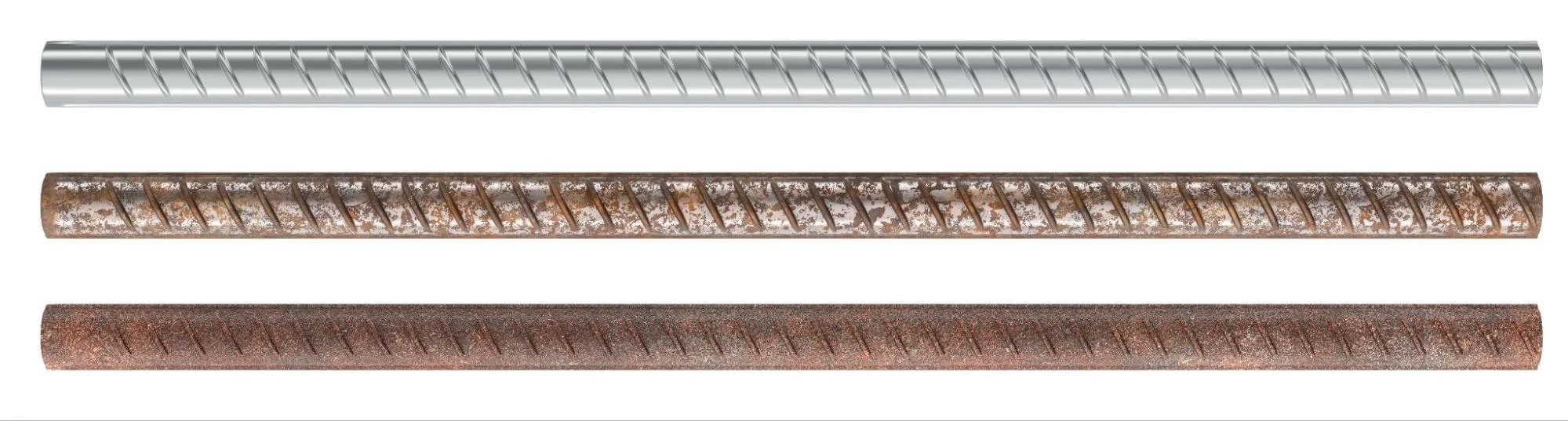
These rankings prioritize corrosion resistance, performance in acids/bases, saltwater durability, and humidity resistance. This table assumes no coatings unless noted.
| Rank | Material | Overall Resistance | Relative Cost | Cost–Performance Insight |
| 1 | Titanium (Ti-6Al-4V) | Excellent | $$$$ | Ultimate corrosion resistance at a premium cost |
| 2 | Stainless Steel 316 | Excellent | $$$ | Best value for harsh or marine environments |
| 3 | Stainless Steel 304 | Very Good | $$ | Great general-purpose corrosion resistance |
| 4 | Brass | Good | $$ | Corrosion-resistant, easy to machine |
| 5 | Copper | Moderate–Good | $$ | Conductive but oxidizes |
| 6 | Aluminum 6061 (anodized) | Moderate–Good | $$ | Anodizing greatly improves durability |
| 7 | Aluminum 6061 (raw) | Moderate | $ | Lightweight, limited chemical resistance |
| 8 | Aluminum 7075 | Fair–Moderate | $$ | Strength-focused, corrosion-prone |
| 9 | Tool Steel | Poor–Fair | $$ | High strength, requires coating |
| 10 | Carbon Steel | Poor | $ | Lowest cost, worst corrosion resistance |
Design Tip: When using dissimilar metals in assembly, consider galvanic compatibility to prevent accelerated corrosion.
Best Materials for Harsh Chemical Environments
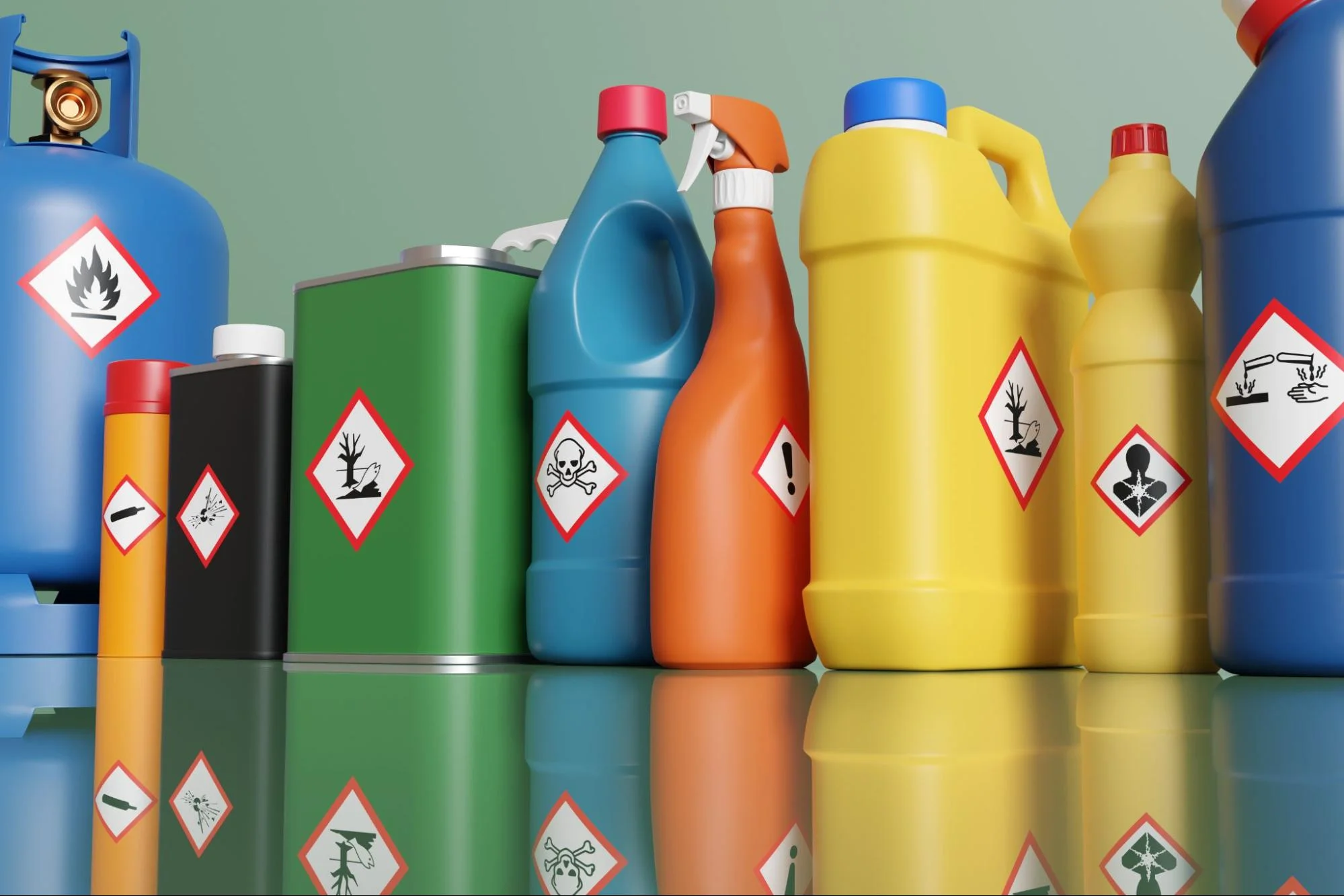
When parts are exposed to fuels, solvents, acids, bases, cleaning agents, or industrial fluids, chemical compatibility becomes the primary design constraint. In these environments, swelling, cracking, embrittlement, or corrosion can cause premature failure—even if the part is mechanically sound.
| Material Class | Material | Why It Performs Well | Typical Use Cases |
| Plastic | PTFE (Teflon®) | Near-universal resistance to strong acids, bases, and solvents | Seals, gaskets, chemical handling components |
| Plastic | PEEK | High chemical resistance combined with high-temperature stability | Aerospace, medical, oil & gas components |
| Plastic | Polypropylene (PP) | Excellent resistance to acids and bases at a low cost | Chemical tanks, housings, fluid-handling parts |
| Plastic | HDPE | Strong acid/base resistance and moisture stability | Containment, washdown components |
| Plastic | Acetal (POM) | Performs well in fuels and oils; limited solvent resistance | Fuel system components, precision parts |
| Metal | Titanium (Ti-6Al-4V) | Exceptional resistance to corrosion and aggressive chemical environments | Marine, chemical processing, aerospace |
| Metal | Stainless Steel 316 | Superior resistance to chlorides and industrial chemicals | Marine hardware, processing equipment |
| Metal | Stainless Steel 304 | Reliable general-purpose corrosion resistance | Moderate chemical exposure environments |
Design Tip: Always validate compatibility with the exact chemical concentration and operating temperature. Small formulation changes can greatly affect material performance.
Best Materials by Environmental Condition
| Environment | Best Plastics | Best Metals |
| Harsh chemicals | PTFE, PEEK, PP | Titanium, Stainless 316 |
| Outdoor / UV | PEEK, PEI | Stainless 316, Titanium |
| High humidity/washdown | PP, HDPE, POM | Stainless 316 |
| Saltwater/marine | PP, HDPE | Titanium, Stainless 316 |
| Cost-sensitive indoor parts | ABS, PC-ABS | Aluminum 6061 |
| Chemical + mechanical load | PEEK, Acetal (POM) | Stainless 316 |
Note: Rankings are based on typical industrial exposure.
Specific chemicals (e.g., chlorinated solvents, strong oxidizers) or stresses can impact rankings significantly.
Materials That Best Balance Environmental Resistance and Cost
| Goal | Best Plastic Option | Best Metal Option |
| Best low-cost chemical resistance | PP, HDPE | — |
| Best all-around performance value | Acetal (POM) | Stainless 304 |
| Best high-performance value | ULTEM™ | Stainless 316 |
| Best corrosion resistance overall | — | Titanium |
| Lowest-cost indoor parts | ABS, PC-ABS | Aluminum 6061 |
Note: Cost rankings reflect typical manufacturing costs, not raw-material prices alone. Geometry, tolerance, and process selection can outweigh material cost differences.
For more specific questions about materials, ask Materials.AI™.
Heat Resistance of Engineering Plastics
Temperature accelerates chemical degradation, reduces mechanical strength, and increases creep. Continuous operating temperature—not melting point—is the critical specification.
| Rank | Material | Continuous Use Temp °C (°F) | Relative Cost | Heat Resistance Tier |
| 1 | PTFE (Teflon®) | ~260°C (500°F) | $$$$$ | Extreme |
| 2 | PEEK | ~250–260°C (480–500°F) | $$$$$ | Extreme |
| 3 | ULTEM™ (PEI) | ~170–180°C (340–355°F) | $$$$ | Very High |
| 4 | Nylon (PA 6/6) | ~120–150°C (250–300°F) | $$ | Moderate–High |
| 5 | Glass-Filled Nylon | ~130–160°C (265–320°F) | $$–$$$ | Moderate–High |
| 6 | Acetal (POM) | ~100–120°C (210–250°F) | $$ | Moderate |
| 7 | Polycarbonate (PC) | ~110–130°C (230–265°F) | $$ | Moderate |
| 8 | PET / PETG | ~70–100°C (160–210°F) | $$ | Moderate–Low |
| 9 | Polypropylene (PP) | ~80–100°C (175–210°F) | $ | Low–Moderate |
| 10 | HDPE | ~65–80°C (150–175°F) | $ | Low |
| 11 | ABS | ~80–95°C (175–200°F) | $ | Low |
| 12 | PC-ABS | ~90–110°C (195–230°F) | $–$$ | Low–Moderate |
| 13 | TPU / TPE | ~60–80°C (140–175°F) | $$ | Low |
Heat Resistance of Common Metals Used in Manufacturing
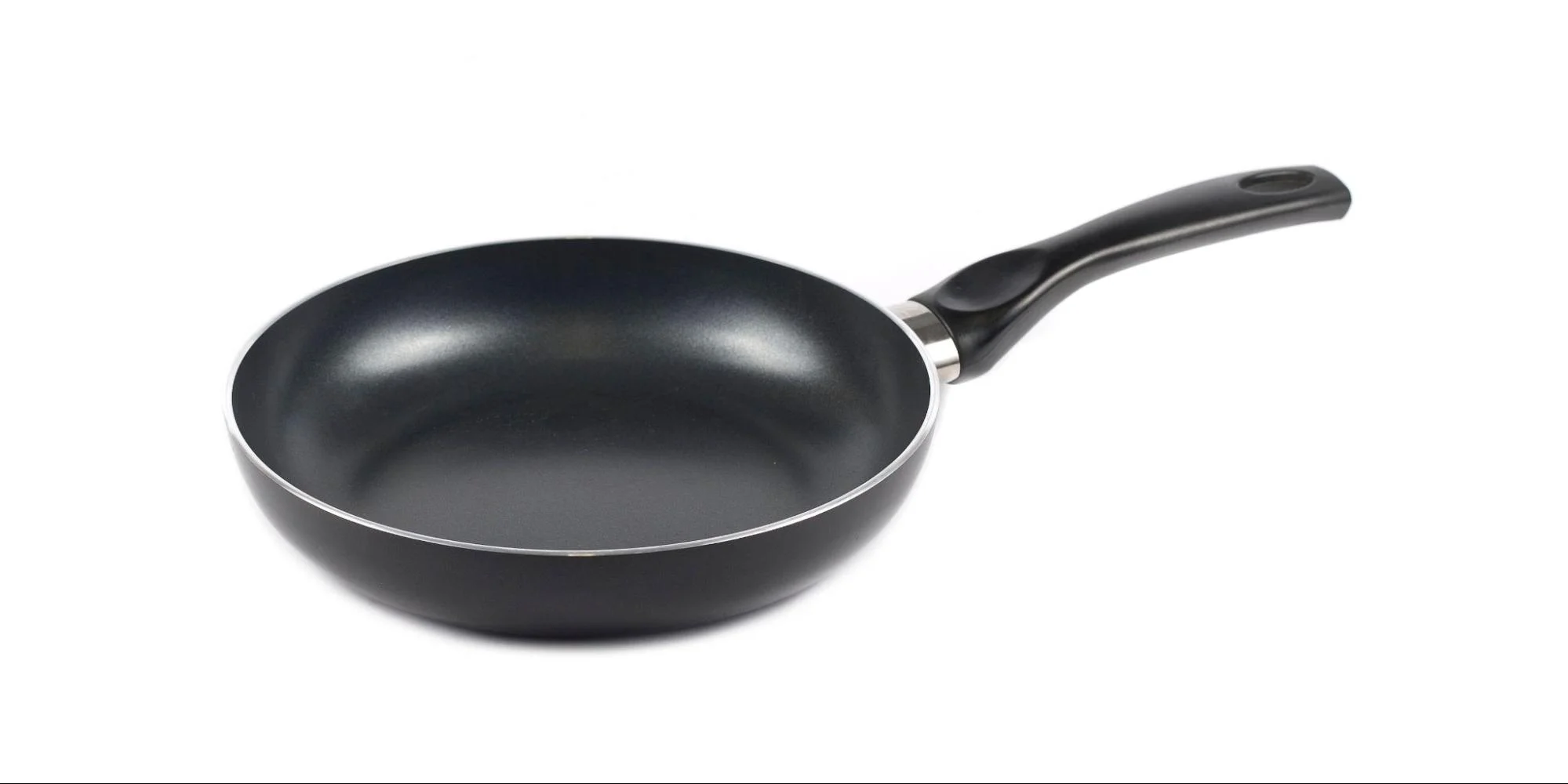
Metals generally tolerate far higher temperatures than plastics, though they may lose strength or oxidize before melting.
| Rank | Material | Continuous Use Temp °C (°F)* | Relative Cost | Heat Resistance Tier |
| 1 | Titanium (Ti-6Al-4V) | ~400°C+ (750°F+) | $$$$ | Extreme |
| 2 | Stainless Steel (304/316) | ~800°C+ (1470°F+) | $$–$$$ | Extreme |
| 3 | Tool Steel | ~500°C+ (930°F+) | $$ | Very High |
| 4 | Carbon Steel | ~400–500°C (750–930°F) | $ | Very High |
| 5 | Aluminum 7075 | ~120–150°C (250–300°F) | $$ | Moderate |
| 6 | Aluminum 6061 | ~150–200°C (300–390°F) | $ | Moderate |
| 7 | Brass | ~200°C (390°F) | $$ | Moderate |
| 8 | Copper | ~200°C (390°F) | $$ | Moderate |
*Metals generally fail from strength loss or oxidation rather than melting at these temperatures.
How to Select Materials for Harsh Environments
Material selection in harsh environments requires balancing factors including chemical resistance, thermal stability, corrosion resistance, mechanical strength, and cost.
Step 1: Identify the Dominant Environmental Stressors
Start by pinpointing the primary environmental threat your material will face:
- Continuous chemical exposure?
- Outdoor UV and humidity?
- High operating temperature?
- Saltwater or washdown conditions?
Step 2: Define Exposure Conditions
Nail down the specifics of how and when exposure occurs:
- Continuous vs intermittent exposure
- Temperature range
- Concentration of chemicals
- Mechanical load during exposure
Step 3: Shortlist by Environmental Fit
Match your stressors to materials with proven performance in those conditions:
- Chemical-heavy environments: PTFE, PEEK, PP, Stainless 316
- Marine or saltwater: Titanium, Stainless 316
- High-temperature applications: PEEK, ULTEM™, stainless steels
- Cost-sensitive indoor applications: ABS, PC-ABS
Step 4: Validate with Real Data and Testing
Consult chemical compatibility charts, manufacturer datasheets, and perform real-world reliability testing when needed. Environmental performance can vary based on material formulation, additives, and manufacturing method.
Final Engineering Consideration
No material is universally “best” for environmental resistance. The right choice depends on which environmental stressor is most critical in your application, and whether performance or cost is the higher priority.
Select the Right Material—Faster
Choosing materials for harsh environments requires balancing chemical resistance, corrosion performance, heat tolerance, mechanical strength, and cost. Small specification changes can significantly impact manufacturability, lead time, and part reliability.
Use Fictiv’s Materials.AI™ for Data-Driven Selection
Fictiv’s Materials.AI™ helps engineers compare materials across mechanical properties, environmental resistance, cost drivers, and manufacturing compatibility, all in one place. Instead of toggling between datasheets, you can quickly narrow down the best-fit materials for your application.
- Compare performance properties side-by-side
- Evaluate tradeoffs between durability and cost
- Identify viable alternatives when supply or budget shifts
Ready to Validate Your Design?
Start a free quote and get instant DFM feedback for the material of your choice.
FAQs About Environmental Resistance of Materials
What material has the best chemical resistance?
PTFE and PEEK offer the best overall chemical resistance among engineering plastics, while titanium and stainless steel 316 perform best among metals.
What is the most corrosion-resistant metal?
Titanium provides the highest overall corrosion resistance, with stainless steel 316 offering excellent performance in marine and harsh environments at a lower cost.
Which plastic has the highest heat resistance?
PEEK and PTFE have the highest continuous use temperatures among commonly specified engineering plastics, with PEI (ULTEM™) offering strong thermal stability at a lower cost.
What is the best low-cost chemical-resistant plastic?
Polypropylene (PP) and HDPE provide excellent chemical resistance at low costs.