About the Material
Nylon-12 FR (Flame Retardant) is a type of nylon material that has been specially formulated to meet flame resistance standards. This type of material is commonly used in various industries where fire safety and compliance with flame retardant regulations are essential.
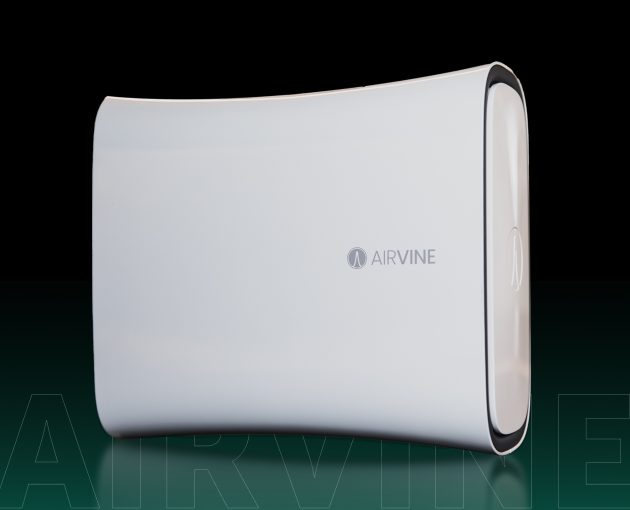
Electrical and Electronics: Flame-retardant nylon materials are used to create enclosures, housings, and components for electrical and electronic devices. These materials help ensure that the components are less likely to catch fire in case of a malfunction or short circuit.
Automotive Parts: Flame-retardant nylons are used in the automotive industry for producing parts such as connectors, cable ties, interior components, and engine covers. These materials enhance fire safety in vehicles.
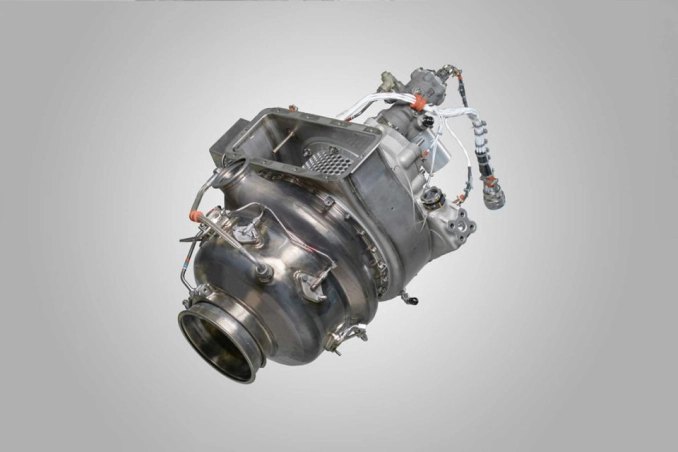
Aerospace Components: In aerospace applications, flame-retardant nylon materials can be used to create components that need to meet strict fire safety standards. This can include interior components, brackets, and housings.
Industrial Equipment: Flame-retardant nylons can be used to produce parts for industrial equipment that need to operate safely in environments where fire hazards might be present.
Consumer Electronics: These materials are used to manufacture components for various consumer electronics, such as laptops, tablets, and gaming consoles, to ensure fire safety and compliance with safety regulations.
Building and Construction: Flame-retardant nylon materials are used to create parts for building systems, HVAC (heating, ventilation, and air conditioning) equipment, and other construction-related components.
Medical Devices: In medical applications, flame-retardant nylons can be used to produce components for devices that require fire resistance, such as equipment used in surgical procedures.
Rail and Transportation: Flame-retardant materials are used in transportation systems such as trains and buses to enhance fire safety for passengers and crew.
Military and Defense: Flame-retardant nylons are employed in military and defense applications where fire safety is crucial, such as equipment housing and components for vehicles and equipment.
Power Distribution: Flame-retardant nylon materials can be used to create parts for power distribution systems that need to be fire-resistant.
It’s important to note that the specific properties and applications of “Nylon-12 FR” could vary based on its formulation and manufacturer. If you’re considering using this material for 3D printing, I recommend reaching out to the manufacturer or supplier for detailed information about its properties and suitable applications in 3D printing contexts.