





Sorry, there are no results matching “"

You might also be interested in this

Article

Precision Grinding: Processes, Tolerances, and When To Use It

Most engineers have a solid feel for what CNC machining can do. But far fewer have a clear picture of what to do when conventional CNC process capabilities are exceeded by the need for tighter tolerances, finer surface finishes, or hardened work material that quickly wears through machine tools. When that happens, manufacturing engineers move […]

Article

CNC Machining for Medical Devices: Materials, Tolerances, and Design Considerations

CNC machining is commonly used to manufacture various medical devices—surgical instruments, fixtures, structural elements, fluid-handling parts, and components that attach to or form part of a tissue-contacting implant. The machining operations themselves are familiar shop-floor work. The practical difference in medical device machining is that material definition, surface condition, traceability, inspection, and documentation aren’t just […]

Article

MISUMI Americas Launches MISUMI Ventures, a $50 Million Fund Backing the Next Generation of Hardware, Robotics and Physical AI Companies

Silicon Valley–based fund advances MISUMI Group’s $1B Global Investment Vision and gives founders day-one access to a Fortune 500–caliber global manufacturing supply chain OAKLAND, CA and TOKYO, Japan – September 17, 2026 – MISUMI Americas, a specification-driven sourcing partner for mechanical components and assemblies, today announced the launch of MISUMI Ventures, a $50 million venture […]

Article

Flame-Retardant Plastics and UL 94: A Practical Guide for Engineers

Flame-retardant requirements show up in power supply housings, electrical connectors, and industrial control panels. They also turn up in products like a battery pack on a mobile robot, a diagnostic device housing, or a solar inverter enclosure. Any product with a battery, power electronics, or components near line voltage is a candidate for a flammability […]

Article

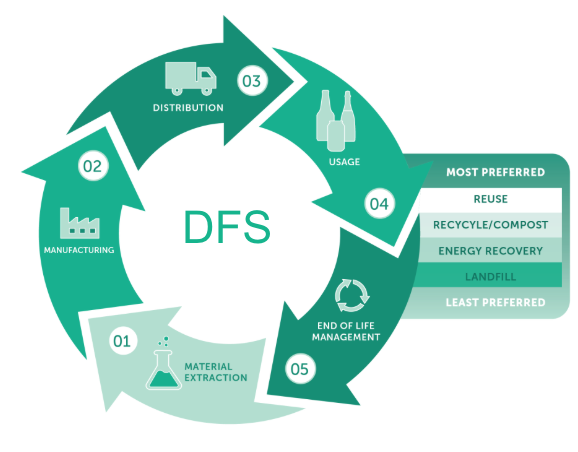
Design for Sustainability (DFS): A Guide for Engineering More Eco-Friendly Products

We want the products we design to last—to perform reliably, win market adoption, and deliver long-term value. But it’s not ideal if they last forever in a landfill, or negatively impact the planet we depend on.  That balance is at the heart of sustainable product design. As environmental awareness grows and regulations become more stringent, […]

Article

6+ Axis CNC Machining: Capabilities, Design Rules, and When It’s Worth the Investment

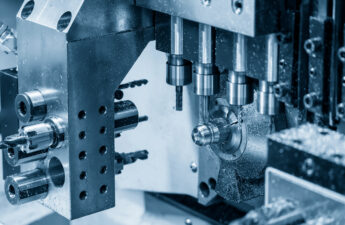
For engineers designing complex machined parts, the advantages of moving from 3-axis to 5-axis machining are well understood. The most capable higher-axis configurations— including 6-axis machining centers, turn-mill platforms, 9-axis and 12-axis cells, and Swiss-type turning—are less clearly defined and often poorly understood by engineers who haven’t worked with them directly.  This article explains what […]