


Advanced/Specialty Alloy

Kovar

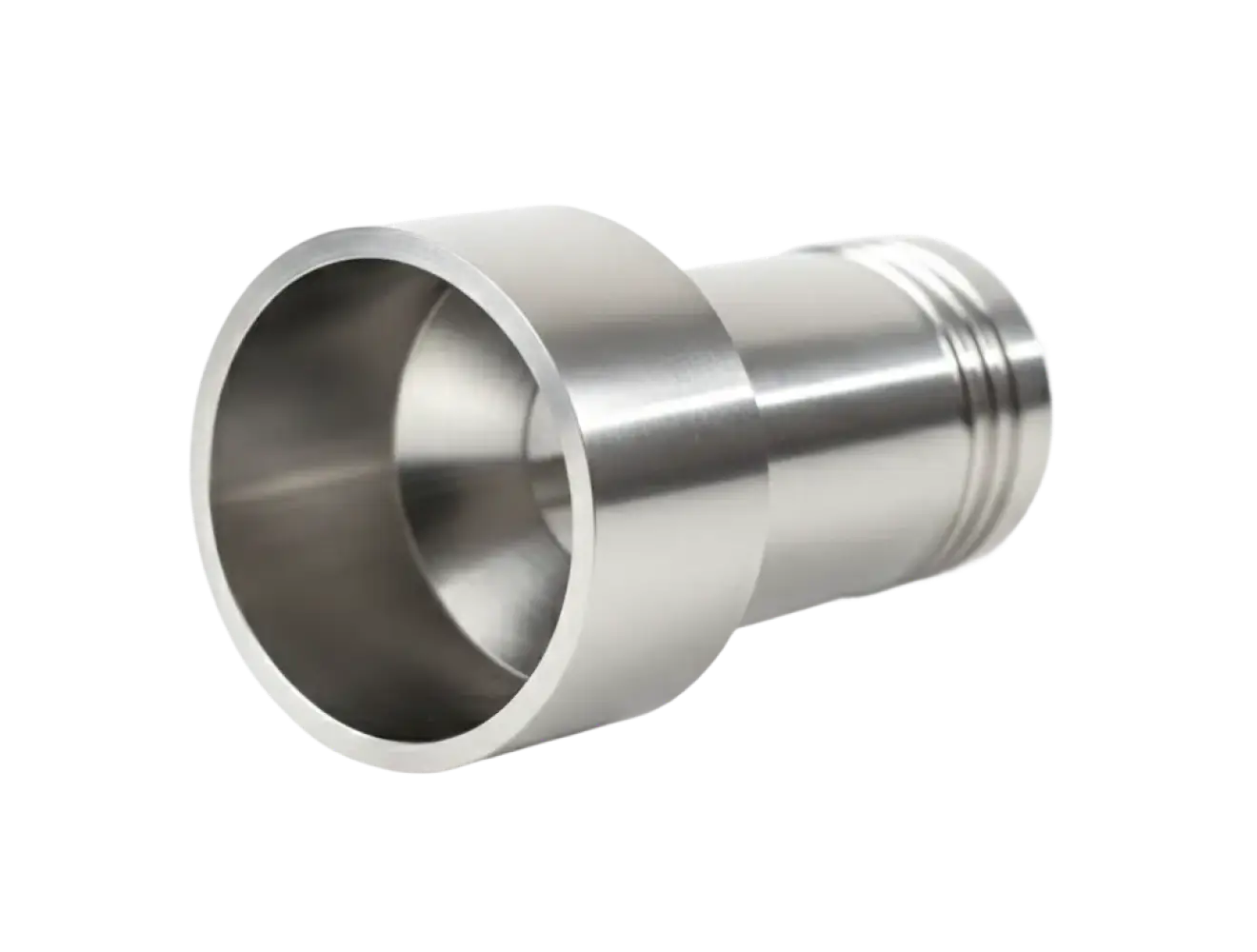
CNC Machined Kovar Parts — Controlled-Expansion Alloy for Electronics & Sealing Applications
Kovar

At a glance

Processes

CNC Mill
CNC Lathe

Lead Time

As fast as 7 days

Finishing Options

Vibratory Tumbling, Media Blasting, Powdercoating

Tolerance

With drawing: as low as +/- 0.005 mm
No drawing: ISO 2768 medium

About the Material

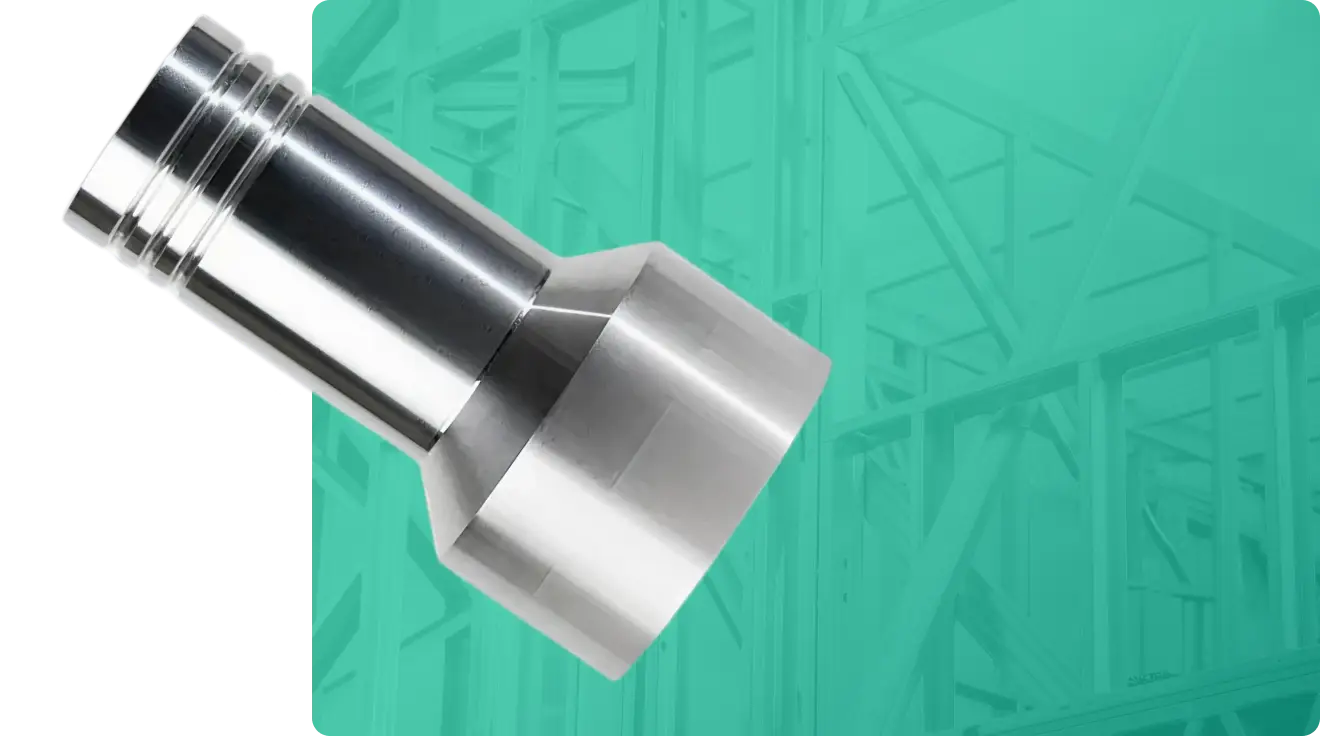
Kovar is a nickel-cobalt alloy best known for its ability to expand at a similar rate to glass when exposed to heat. Additionally, the material has excellent dimensional stability at a wide range of temperatures.

Alignment

Extreme Toughness Icon

Stability

Extreme Toughness Icon

Material Properties

Kovar

Yield Strength (tensile)

55,000 PSI

Elongation at Break

30%

Hardness

Rockwell B105

Density

8.36 g/cm^3
0.3lb / in^3

Material Finish

Kovar is very similar to most grades of steels/stainless steel in terms of overall appearance. Kovar can be media blasted or tumbled to achieve a multitude of surface finishes. Additionally, powder coating can be applied to achieve more matte/glossy colors.

Design Recommendations

Min Wall Thickness

0.5 mm (0.02 in)

Min End Mill Size

0.8 mm (0.03 in)

Min Drill Size

0.5 mm (0.02 in)

Max Part Size

1200 x 500 x 152 mm [x,y,z] (mill) 152 x 394 mm [d,h] (lathe)

Undercuts

Square profile, full radius, dovetail profiles

Radii : Depth

Depth must not exceed 12x drill bit diameter. For end mills, depth must not exceed 10x tool diameter.
Cost Saving Tip

Cost Saving Tip

To reduce costs, limit the number of part setups, the number of inspection dimensions or tight tolerances, and deep pockets with small radii.

You Might also be Interested in

4-Axis CNC machining a custom shaft

4-Axis CNC Machining: Capabilities, Applications, and Design Guidelines

4-axis CNC machining is a subtractive manufacturing process that moves a cutting tool and workpiece along four axes of motion—the…

Learn more >
3-Axis CNC machining

3-Axis CNC Machining Guide: Capabilities, Limitations, and Use Cases

3-axis CNC machining is a manufacturing process in which cutting tools move along three linear axes (X, Y, and Z)…

Learn more >