



Time to read: 8 min
Harsh environments call for rugged hardware. Just how rugged depends on the specific environmental conditions the product will face.
Designing ruggedized hardware for unforgiving environments requires understanding the conditions a product will encounter in service and accounting for them before the design is finalized. Engineers must anticipate how temperature extremes, moisture, vibration, UV exposure, and chemical contaminants interact with materials and assemblies. Modeling tools such as finite element analysis (FEA), along with targeted validation testing, help predict how these stresses affect performance and allow design adjustments before production.
Many damage mechanisms that lead to failure develop gradually and are difficult to detect in their early stages. A fastener can lose preload through vibration or thermal cycling, for example. Effective ruggedized-environment engineering requires identifying environmental stressors up front, understanding the failure mechanisms they trigger, and selecting materials and designs that withstand long-term exposure.
What Qualifies as a Harsh Environment?
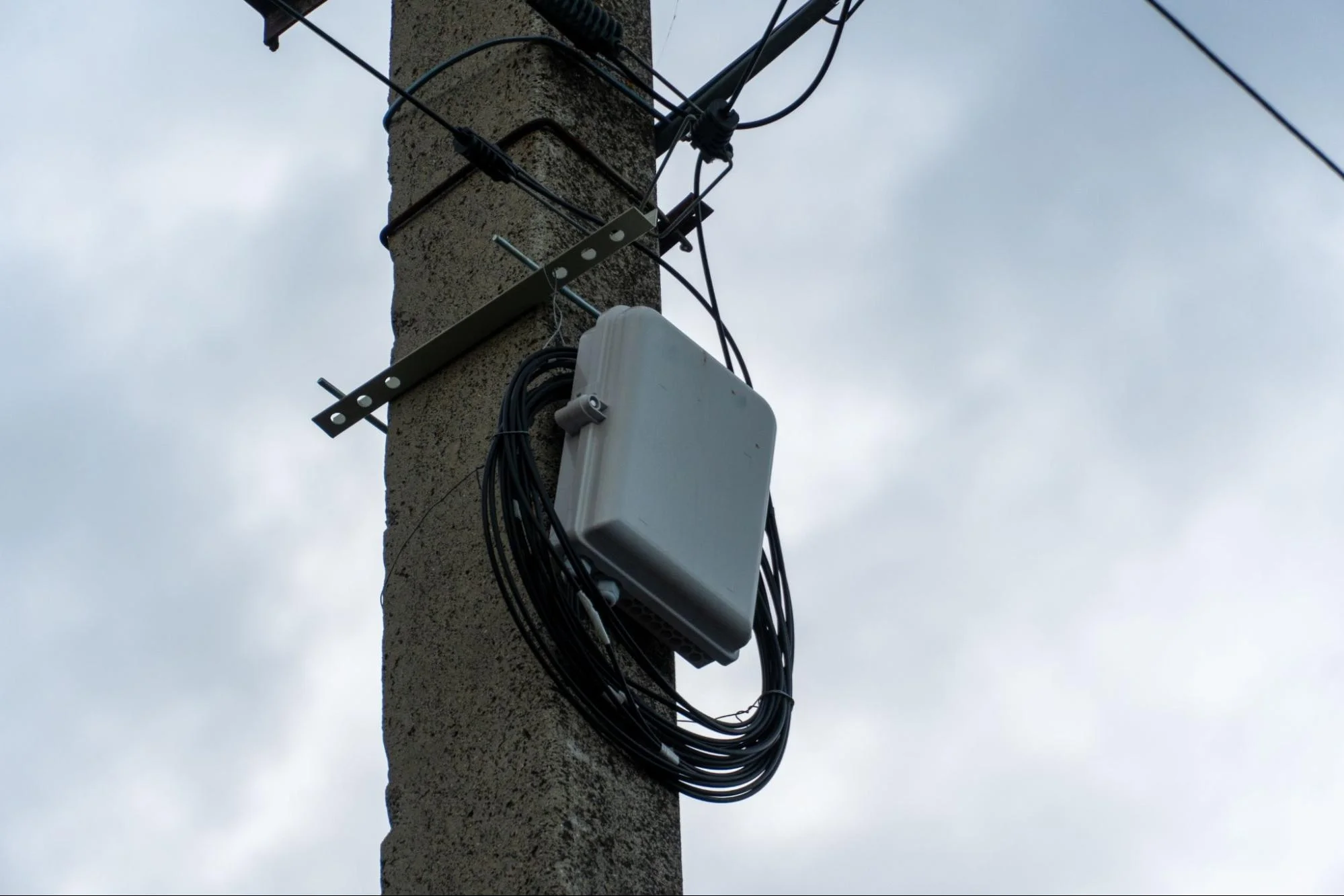
A harsh or demanding environment is any operating condition beyond controlled indoor commercial use, including sustained temperature extremes, thermal cycling, humidity, condensation, dust, chemical exposure, salt spray, radiation, shock, vibration, and pressure variation. These conditions rarely exist on their own; materials and assemblies are often exposed to multiple stresses simultaneously over long operating periods.
Regardless of the stressor, the core challenge is understanding how materials and engineered structures degrade under these conditions. When engineers connect environmental conditions to the specific damage and failure mechanisms they can trigger, design choices around materials, coatings, structural design, and sealing methods become better aligned with the operating environment.
Environmental Stressors and Failure Mechanisms
| Environmental Stressor | Potential Failure Mechanisms | Typical Manifestation in Hardware | Example Scenario |
| High temperature | Reduced material strength, creep deformation, thermal fatigue, oxidation, and microstructural embrittlement | Dimensional drift, loss of clamp load, and deformation of structural parts | Polymer housings slowly deform near motors or power electronics operating at elevated temperatures |
| Moisture /humidity | Corrosion, electrical leakage, galvanic reactions, swelling of hygroscopic materials | Increased electrical resistance, corrosion of connectors, degraded insulation | Condensation inside an outdoor electronics enclosure leads to corrosion on exposed metal contacts |
| Vibration / cyclic loading | Fatigue cracking, fretting wear, fastener preload loss, connector disengagement | Progressive crack growth, loosened fasteners, intermittent electrical connections | Repeated vibration in industrial machinery loosens mounting hardware over long operating periods |
| UV radiation | Polymer degradation (photo-oxidation, chain scission, embrittlement, discoloration, seal hardening) | Loss of ductility, cracking in plastic parts, seal deterioration | Plastic cable routing clips become brittle after years of outdoor solar exposure |
| Salt spray / corrosive environments | Galvanic corrosion, pitting corrosion, coating degradation, accelerated oxidation | Structural weakening, coating failure, corrosion spreading from small defects | Stainless fasteners and aluminum housings exposed to marine air develop corrosion at unprotected interfaces |
Material Selection for Harsh Environments
Material selection for extreme environment design must consider both static strength and time-dependent behavior. Metals illustrate this balance well: a material may meet the required strength for static loads, yet still fail prematurely if the environment promotes corrosion.
Alloy composition and exposure conditions matter. For example, stainless steel 304 performs well in many general environments, while stainless steel 316 offers better resistance in chloride-rich settings such as marine or coastal installations. Aluminum alloys naturally form a thin, passive oxide layer that provides baseline corrosion resistance, but in aggressive environments, that protection is often augmented through anodizing or chemical film treatments.
Galvanic corrosion is another concern. This occurs when dissimilar metals are electrically connected in the presence of an electrolyte such as rainwater, seawater, or condensation, causing the less noble metal to corrode preferentially. Because this damage often occurs within joints or hidden interfaces, it may not be immediately visible. The best prevention strategy is avoiding direct contact between dissimilar metals in corrosive environments; when that isn’t possible, electrical isolation using nonconductive washers, spacers, or coatings can mitigate the risk.
Protective coatings introduce a separate design consideration: they change part dimensions, even if only slightly. Anodizing, plating, or powder coating adds thickness that must be accounted for in tolerance stack-ups and assembly. If overlooked, coatings can alter fits between mating parts or affect gasket compression in sealed assemblies.
Temperature exposure introduces time-dependent effects such as mechanical creep—the gradual permanent deformation of a material under sustained load. Plastics creep significantly more than metals, which typically experience creep only at elevated temperatures and under sustained stress. Over time, this deformation can reduce clamp force in bolted assemblies or compromise sealing performance.
For more guidance on material selection for harsh environments, try Materials.AI.
Rugged Enclosure Design & Sealing Strategies
Effective enclosure and sealing design for extreme conditions begins with understanding how the assembly’s materials behave under load, temperature, and environmental exposure. Seals, fasteners, and enclosure components must work together to maintain protection over time.
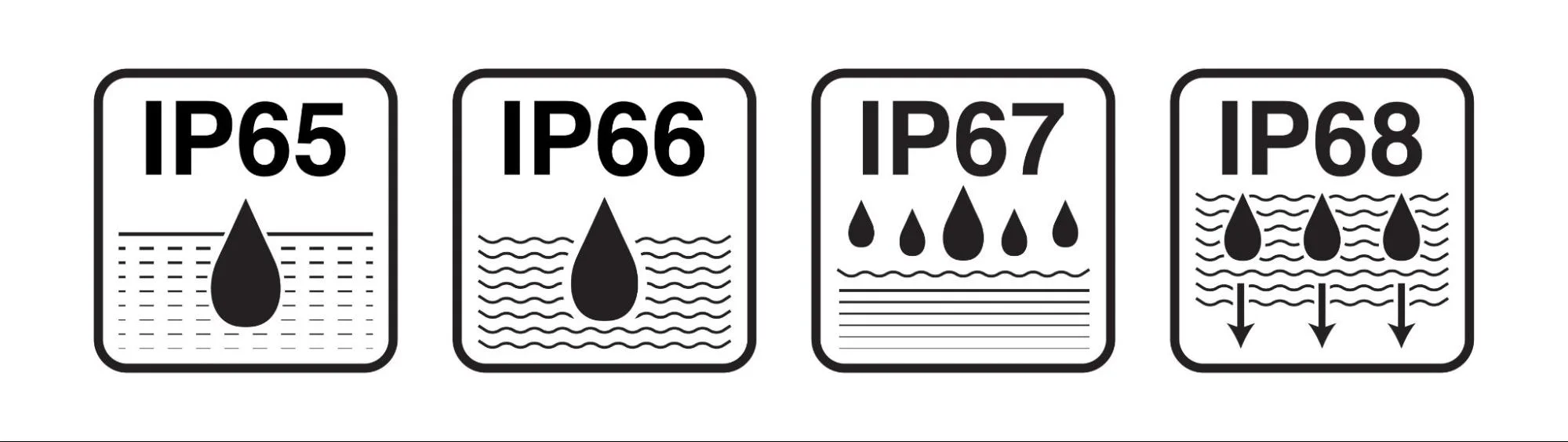
Two commonly referenced protection standards are Ingress Protection (IP) ratings and National Electrical Manufacturers Association (NEMA) enclosure ratings. IP ratings define the degree of protection an enclosure provides against the entry of solid particles and liquids. NEMA ratings also address ingress protection, but include additional requirements related to corrosion resistance, environmental durability, and enclosure construction guidelines for specific industrial applications.
Understanding the difference helps engineers select specifications that match the actual service environment rather than relying on ratings that may address different operating assumptions.
IP Ratings and Levels of Ingress Protection
IP Ratings and Levels of Ingress Protection
| Rating | Protection Level |
| IP65 | Dust-tight enclosure with protection against water projected by nozzles or jets |
| IP66 | Dust-tight enclosure with protection against powerful water jets or heavy seas |
| IP67 | Dust-tight enclosure with protection against temporary immersion in water under defined depth and time limits |
| IP68 | Dust-tight enclosure with protection against continuous immersion, with depth and duration defined by the manufacturer according to IEC 60529 test conditions |
| IP69K | Protection against high-pressure, high-temperature washdown jets used in sanitation, food-processing, or mobile equipments |
Achieving ratings such as IP67 or IP68 requires controlled gasket compression across the entire sealing interface. Elastomer gaskets typically perform best when compressed by roughly 20–30% of their original thickness, depending on the gasket material and geometry.
Under-compression allows leak paths to develop, while excessive compression accelerates compression set—the permanent deformation that occurs when elastomer materials remain compressed for long periods. Elevated temperature accelerates the effect considerably.
Several manufacturing factors influence whether the gasket receives the intended compression:
- Surface finish of sealing faces, which affects the ability of the gasket to conform and close leak paths
- Flatness of enclosure surfaces, particularly in molded housings, where shrinkage may distort geometry
- Groove depth and geometry, determined by machining or molding tolerances
- Coating thickness, since powder coating, plating, or anodizing can alter mating dimensions
Because these variations affect the final fit of mating parts, enclosure designers must account for manufacturing tolerances and process variations to ensure the assembled product consistently meets leakage and ingress protection requirements.
Sealing performance must also be considered alongside other environmental stresses such as thermal expansion, vibration, and material aging—all of which can gradually change joint geometry and reduce sealing force over time.
Designing Hardware for Thermal Management in Extreme Conditions
Temperature swings create mechanical stress inside electronic assemblies because enclosure and PCB materials expand and contract at different rates. Aluminum housings, steel fasteners, elastomeric seals, and FR4 circuit boards all have different coefficients of thermal expansion (CTE).
During heating or cooling, each material attempts to change dimension at its own rate. Because components are mechanically constrained by fasteners, mounts, and seals, stresses develop at interfaces—for example, between PCBs and mounting hardware or between enclosure walls and gaskets.
Repeated heating and cooling cycles translate this differential movement into thermal fatigue. Over repeated thermal cycles, strain accumulates in solder joints and other constrained regions. In low-cycle fatigue environments, cracks can form quickly and then propagate slowly over the component’s service life, making crack growth control an important reliability consideration.
Temperature extremes can also introduce secondary system-level effects, such as:
- Reduced battery performance in cold conditions
- Increased lubricant viscosity affects moving parts
- Loss of elasticity in elastomeric seals at high temperatures
- Brittleness in plastics exposed to prolonged cold
Thermal management in extreme service conditions requires attention not only to heat removal but also to material expansion compatibility, fatigue resistance, and long-term stability across repeated temperature cycles.
Designing for Shock and Vibration
Electronic and mechanical assemblies in extreme environments face repeated vibration and shock, causing high-cycle fatigue (HCF). Most of a component’s life occurs before cracks form, but once they do, propagation can be rapid. Effective vibration-resistant design addresses these stresses in component selection and assembly design:
- Fastener micro-slip and preload loss: Use locking fasteners, spring washers, or torque-controlled assembly to maintain clamping force.
- Fretting corrosion at contact interfaces: Apply surface coatings, isolation pads, or alternative materials to reduce micro-movement and wear.
- PCB flexing between mounting points: Reinforce with standoffs, support brackets, or potting to reduce bending stress.
- Connector disengagement under resonance: Use vibration-rated connectors with positive retention or damping supports.
- Environmental interactions: Anticipate combined effects of vibration, thermal cycles, moisture, and corrosion with spacing, isolation mounts, and testing.
Validation & Environmental Testing
Because multiple stresses can interact, environmental validation should combine modeling and testing. Modeling predicts issues like constrained thermal expansion, while targeted tests confirm durability under realistic conditions. Accelerated life testing (ALT) simulates long-term degradation by exposure to higher temperatures, humidity, corrosion, or vibration over a compressed time frame.
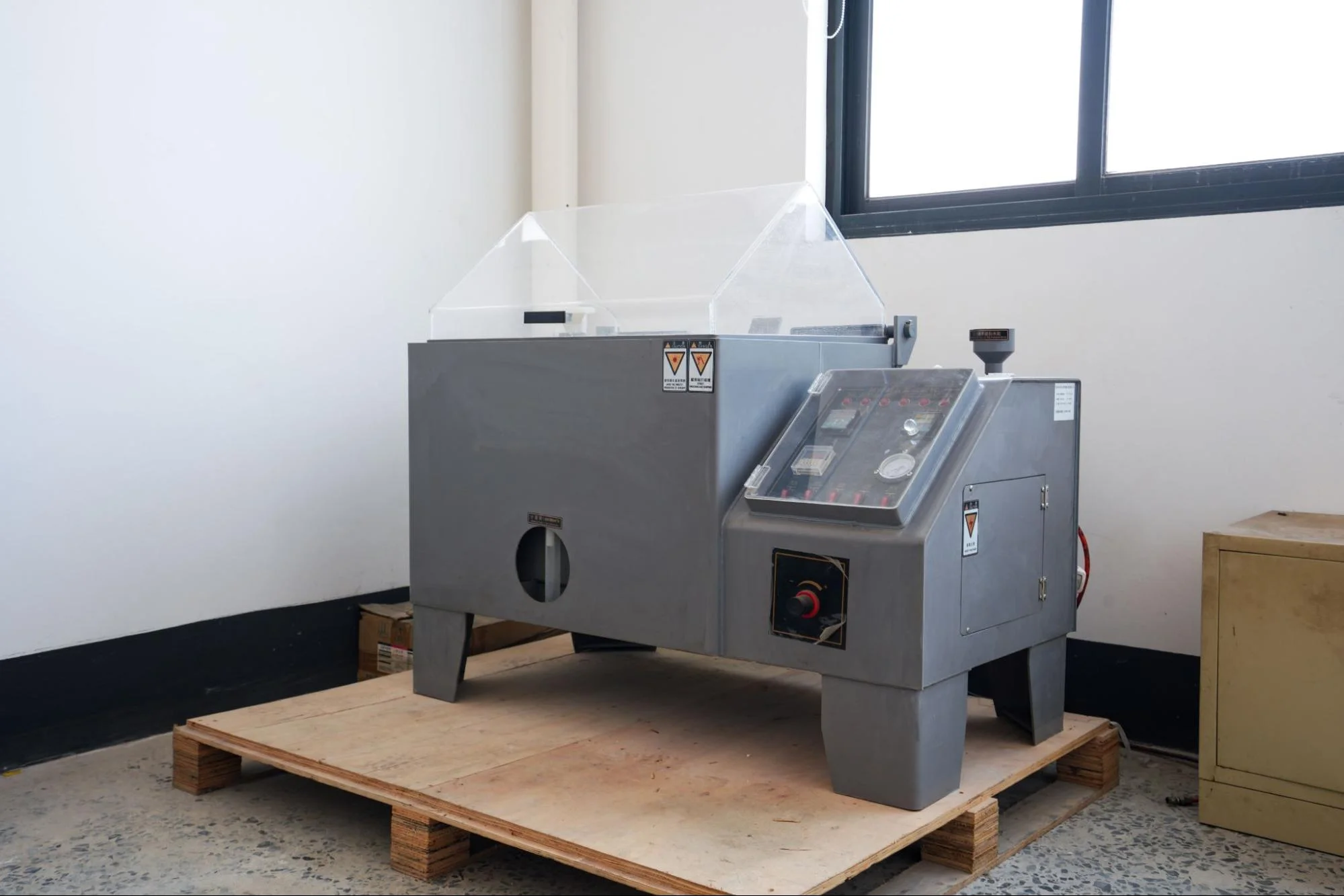
Thermal cycling chambers reveal expansion mismatch failures. Salt spray testing exposes corrosion pathways, and ingress testing verifies sealing performance. Environmental validation aligns with product development phases—such as Engineering Validation Testing (EVT), Design Validation Testing (DVT), and Production Validation Testing(PVT)—with each phase building design confidence before moving forward.
Sealing performance depends on controlled parameters: groove depth precision, surface flatness, and coating thickness uniformity. Production variation beyond DVT limits can undermine prototype reliability. Define the environmental validation plan, methods, criteria, and sample sizes before tooling release. Prove performance with data, never assume it.
Common Mistakes in Harsh-Environment Design
Many extreme-environment failures follow predictable patterns. Designers mix incompatible metals without isolation. They assume coatings eliminate corrosion. They overcompress gaskets without accounting for compression set. They design ingress protection in CAD but skip physical immersion testing. They delay environmental validation until late in development, when changes are expensive.
Successful demanding-environment design involves careful planning and execution. Identify stressors early, anticipate potential failure mechanisms, and choose materials in consideration of strength, environmental stability, and manufacturability.
From there, implementation matters just as much. Manufacturing processes must produce the tolerances your design requires, thermal expansion interactions should be modeled, and performance validated through EVT, DVT, and PVT.
Once mounted outdoors, bolted to heavy equipment, or installed in a washdown facility, the environment will begin its own testing program. And it runs continuously.
Work With Fictiv to Manufacture Products for Harsh Environments
Fictiv helps hardware teams design and manufacture products built for demanding environments with early DFM insights, material expertise, and scalable production support.
FAQs About Hardware Design For Harsh Environments
What is considered a harsh environment in hardware design?
A harsh environment includes conditions such as extreme temperatures, moisture, vibration, UV exposure, chemical contamination, salt spray, and pressure changes.
What materials are best for harsh environments?
Common materials include stainless steel 316, aluminum with protective coatings, titanium, PEEK, and polypropylene depending on the specific exposure conditions.
What IP rating is required for outdoor electronics?
Outdoor electronics commonly require IP65 or higher to protect against dust and water ingress. IP65 is typically sufficient for exposure to rain and general outdoor conditions, while IP66 provides additional protection against powerful water jets or washdowns. For applications where temporary submersion is possible, IP67 or IP68 may be required.
How do engineers test hardware for harsh environments?
Environmental validation often includes thermal cycling, vibration testing, salt spray exposure, humidity testing, and accelerated life testing.
Can Fictiv manufacture parts for harsh or outdoor environments?
Yes, Fictiv helps produce parts designed for extreme conditions, including high temperatures, moisture, corrosion, and vibration. Engineers can select from a wide range of materials and finishes, including corrosion-resistant metals and high-performance polymers.