





Advanced/Specialty Alloy

Invar

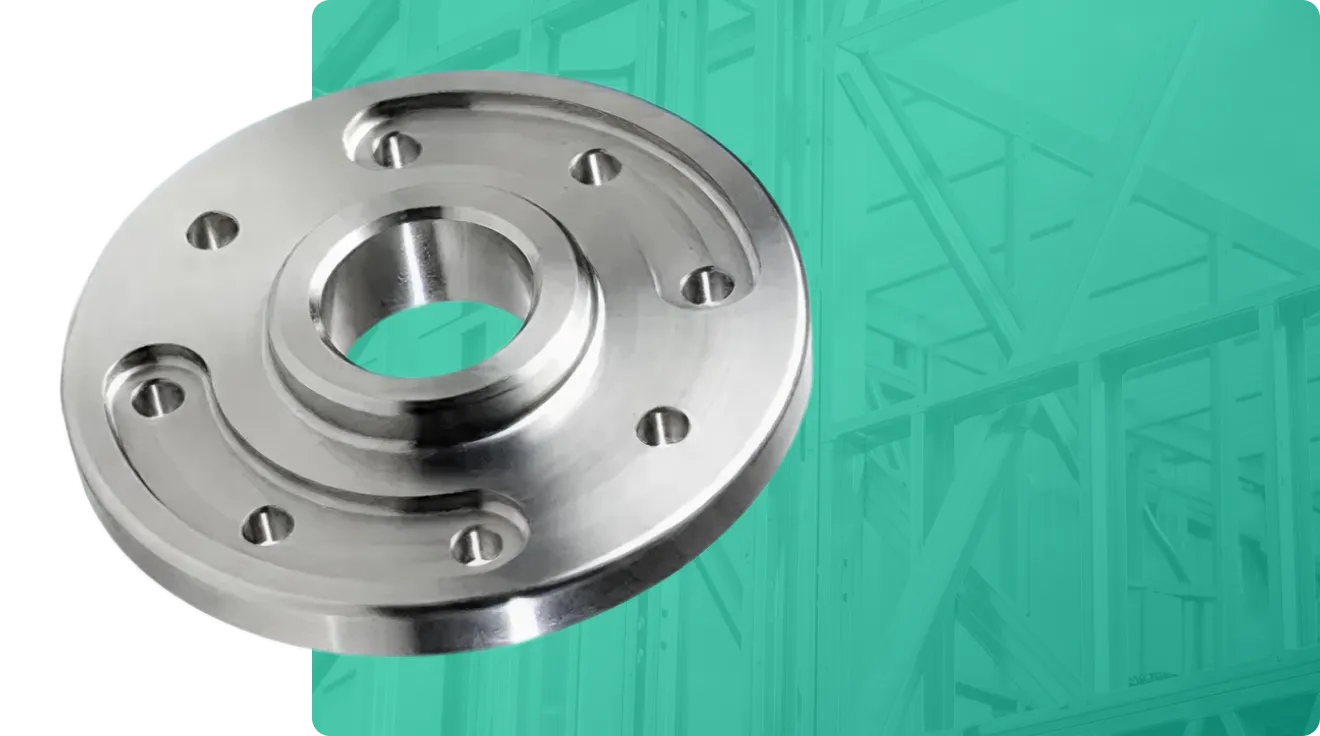
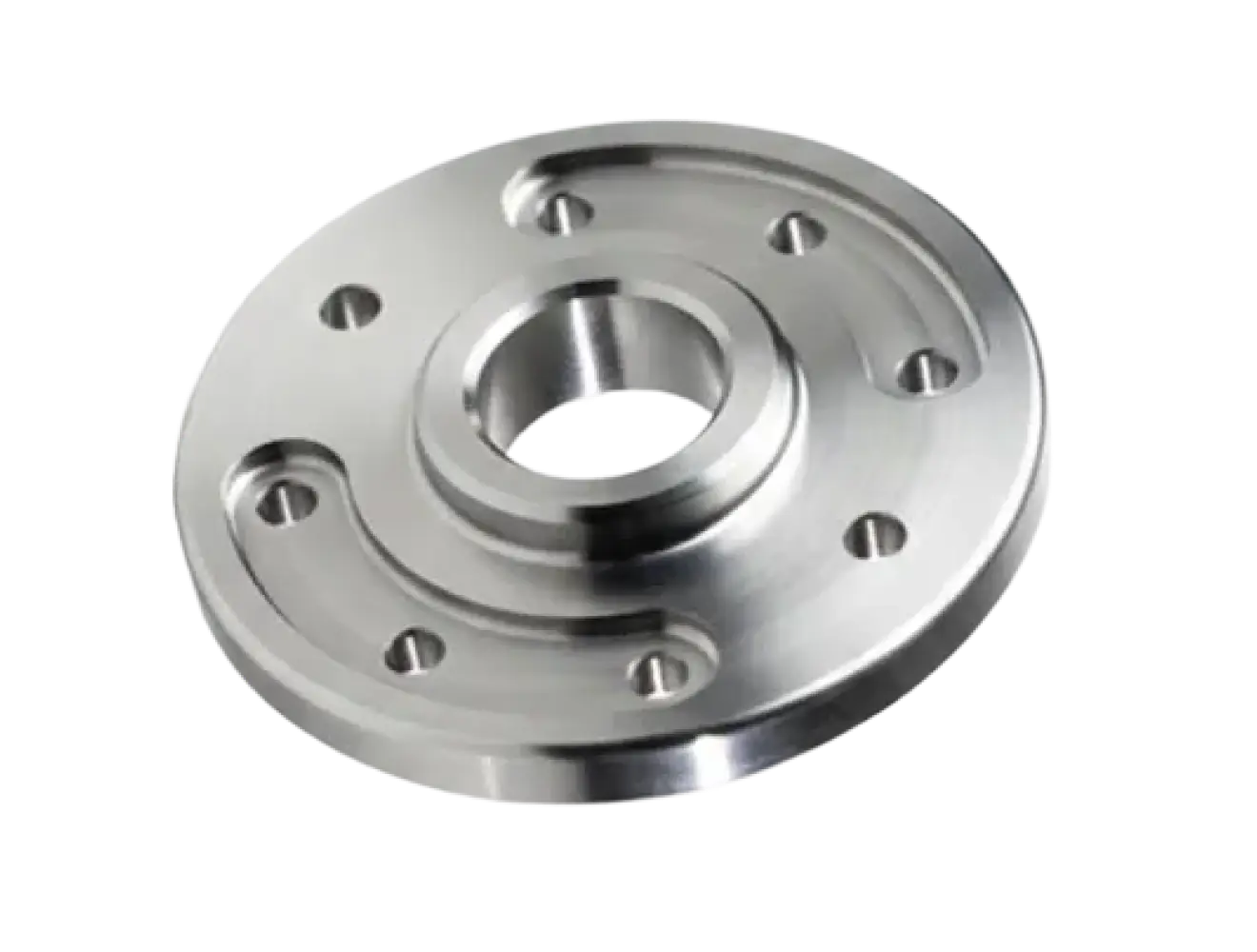
CNC Machined Invar Parts — Low-Expansion Alloy for Precision Engineering Applications
Invar

At a glance

Processes

CNC Mill
CNC Lathe

Lead Time

As fast as 7 days

Finishing Options

Vibratory Tumbling, Media Blasting, Powdercoating

Tolerance

With drawing: as low as +/- 0.005 mm
No drawing: ISO 2768 medium

About the Material

Invar 36 is a nickel-iron alloy with excellent dimensional stability at a wide range of temperatures. The ’36’ stands for the alloy containing 36% nickel and has a super low coefficient of expansion.

Precision

Extreme Toughness Icon

Stability

Extreme Toughness Icon

Material Properties

Invar 36

Yield Strength (tensile)

40,000 PSI

Elongation at Break

30%

Hardness

Rockwell B90

Density

8.05 g/cm^3
0.29lb / in^3

Material Finish

Invae 36 is very similar to most grades of steels/stainless steel in terms of overall appearance. Invar can be media blasted or tumbled to achieve a multitude of surface finishes. Additionally, powder coating can be applied to achieve more matte/glossy colors.

Design Recommendations

Min Wall Thickness

0.5 mm (0.02 in)

Min End Mill Size

0.8 mm (0.03 in)

Min Drill Size

0.5 mm (0.02 in)

Max Part Size

1200 x 500 x 152 mm [x,y,z] (mill) 152 x 394 mm [d,h] (lathe)

Undercuts

Square profile, full radius, dovetail profiles

Radii : Depth

Depth must not exceed 12x drill bit diameter. For end mills, depth must not exceed 10x tool diameter.
Cost Saving Tip

Cost Saving Tip

To reduce costs, limit the number of part setups, the number of inspection dimensions or tight tolerances, and deep pockets with small radii.

You Might also be Interested in

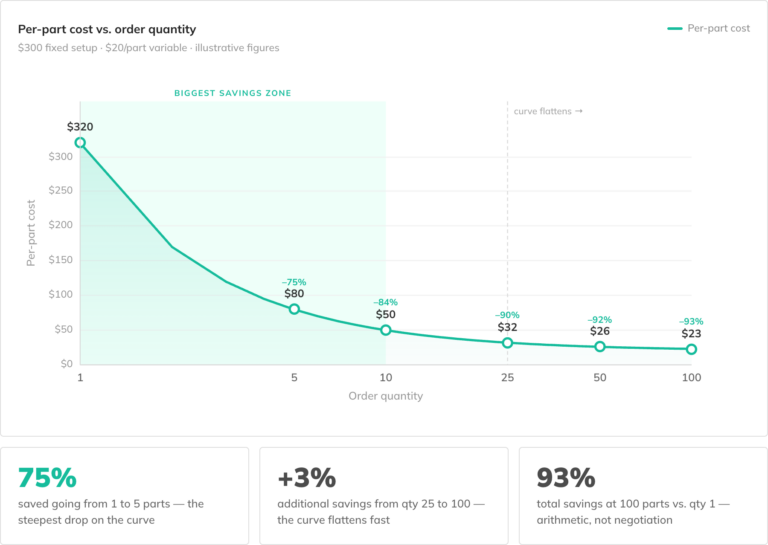
Line chart showing per-part cost dropping as order quantity increases from 1 to 100, with a highlighted savings zone and key points labeled (e.g., $80 at 5, $50 at 10, $32 at 25, $26 at 50, $23 at 100).

The Manufacturing Cost Curve: How Quantity Affects Per-Part Price

Request a quote for a single CNC-machined part, then request one for 50 of the same part. The per-unit price…

Learn more >
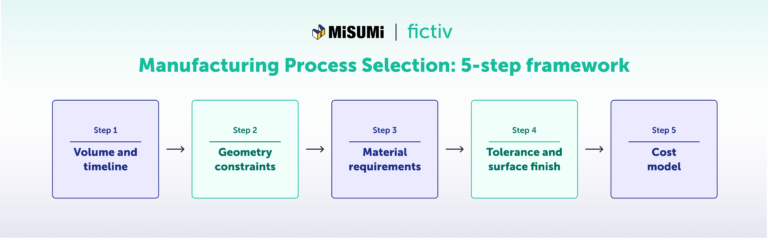
Header image: ‘Manufacturing Process Selection: 5-step framework’ with five connected steps: Step 1 Volume and timeline, Step 2 Geometry constraints, Step 3 Material requirements, Step 4 Tolerance and surface finish, Step 5 Cost model.

Manufacturing Process Selection: A Guide to Choosing the Right Production Methods

The manufacturing process you select impacts part cost, lead time, achievable tolerances, material options, and how easily you can iterate…

Learn more >