





Ferrous Cast Metal

Cast Iron

Heavy-Duty CNC Machined Cast Iron for Vibration-Damped Industrial Parts
Cast Iron

At a glance

Processes

CNC Mill
CNC Lathe

Lead Time

As fast as 7 days

Finish Options

Media blasting, Tumbling

Tolerance

With drawing: as low as +/- 0.005 mm
No drawing: ISO 2768 medium

Price

$$

Applications

Automotive parts (e.g. brake calipers), fluid pipes, pump housings, weights

About the Material

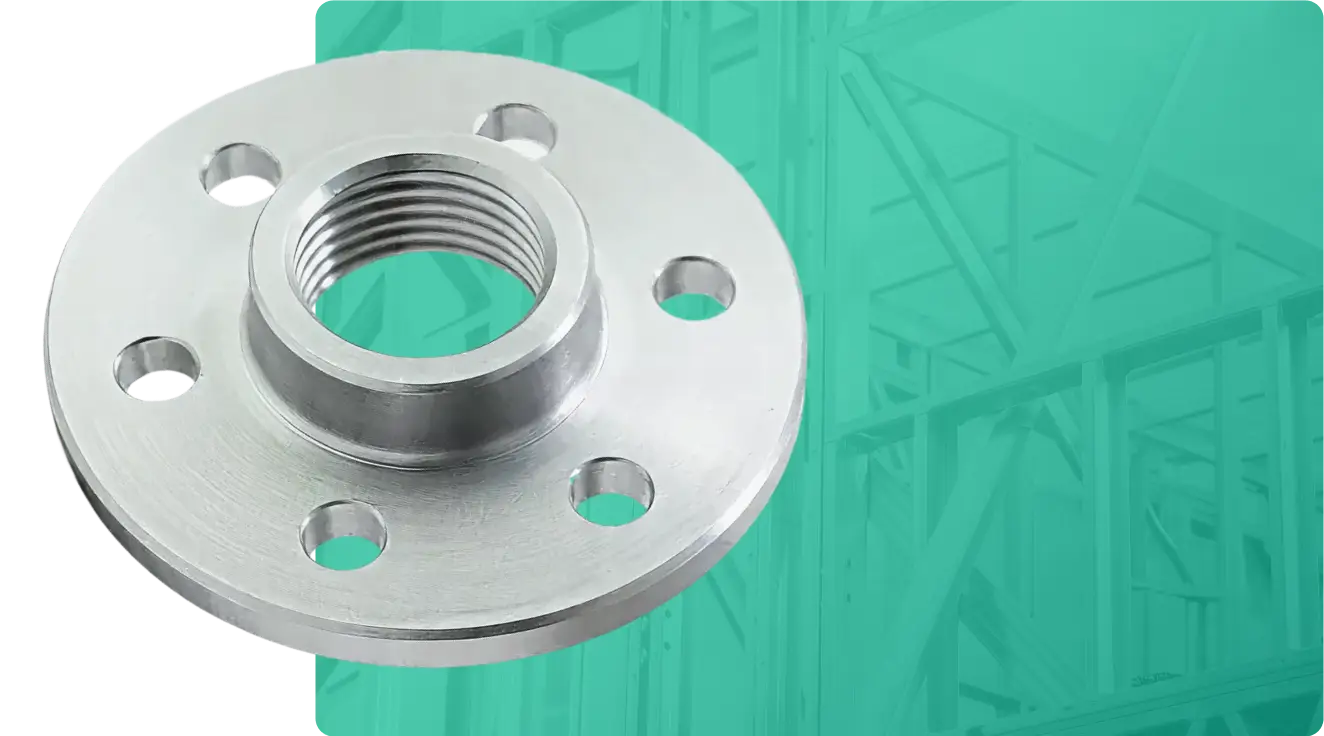
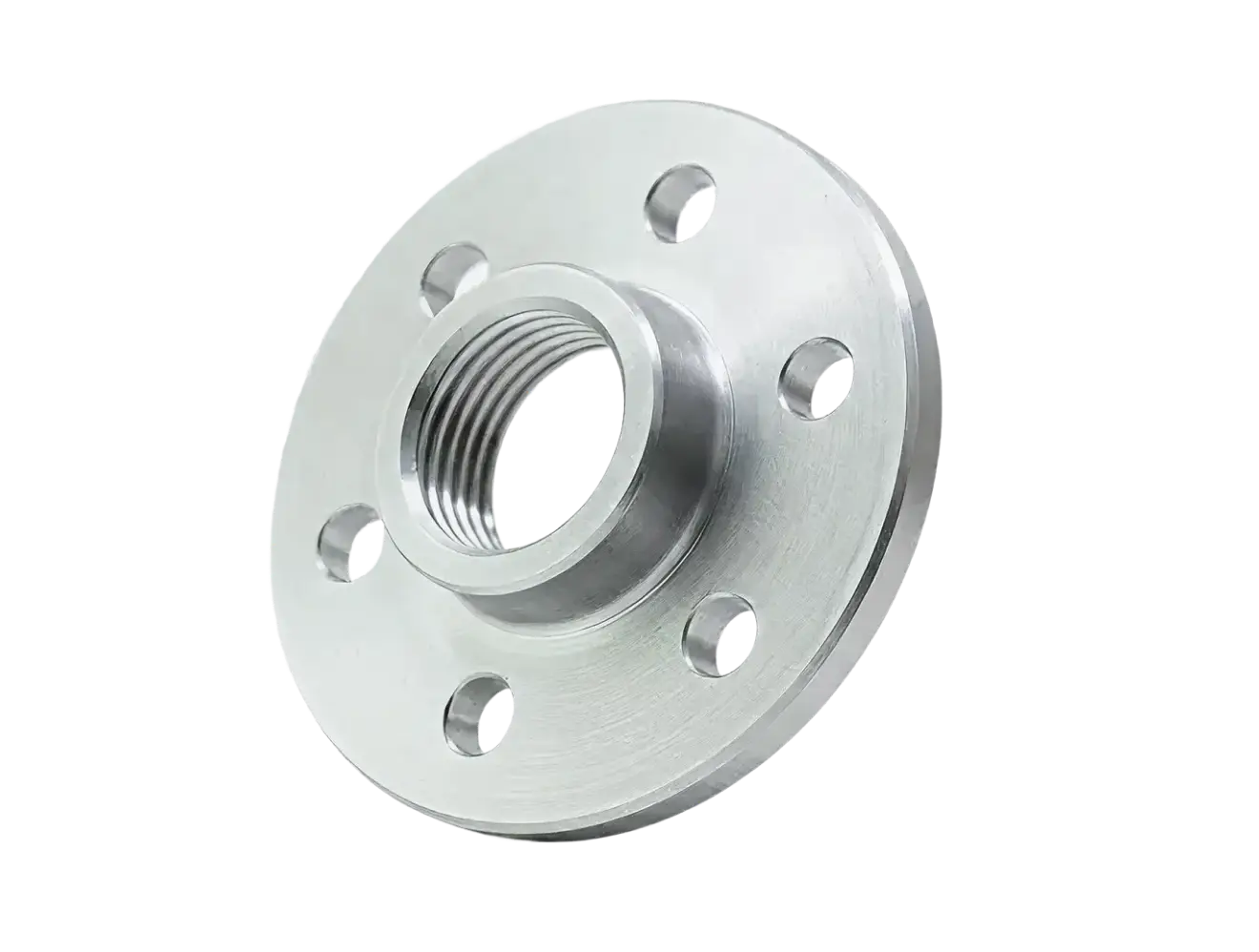
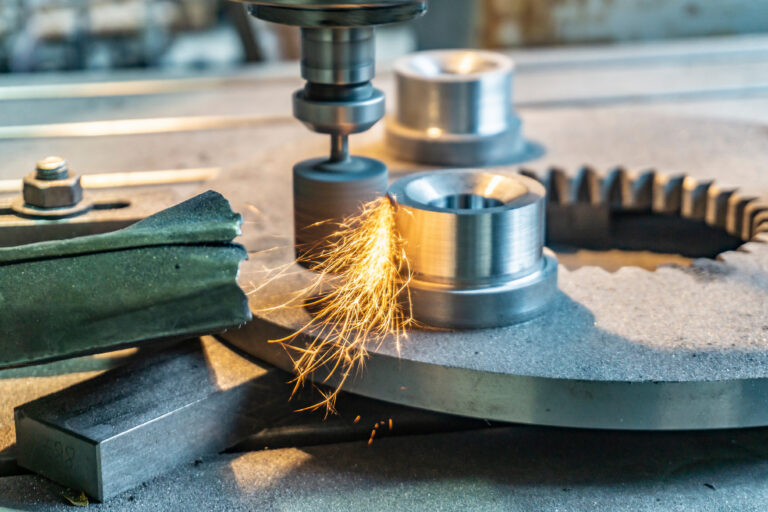
Cast iron is a dependable wear-resistant material which machines faster than many steel varieties. This is an ideal material for absorbing vibrations. Parts commonly made with cast iron include gears, bases, pulleys and bushings.

Stability

Extreme Toughness Icon

Damping

Extreme Toughness Icon

Material Finish

Compared to steel alloys, cast iron is a darker shade of grey. To achieve a variety of surface finishes, cast iron parts can also be media blasted or tumbled.

Design Recommendations

Min Wall Thickness

0.5 mm

Min End Mill Size

0.8mm (0.03 in)

Min Drill Size

0.5 mm (0.02 in)

Max Part Size

1200 x 500 x 152 mm [x,y,z] (mill)
152 x 394 mm [d,h] (lathe)

Undercuts

Square profile, full radius, dovetail profiles

Radii : Depth

Depth must not exceed 12x drill bit diameter.
For end mills, depth must not exceed 10x tool diameter.
Cost Saving Tip

Cost Saving Tip

To reduce costs, limit the number of part setups, the number of inspection dimensions or tight tolerances, and deep pockets with small radii.

You Might also be Interested in

The CNC Periodic Table: A Visual Guide to the Core Elements of Machining

CNC machining involves far more than simply uploading a CAD model and cutting parts. Every part is shaped by the…

Learn more >

High-Strength CNC Machining Materials: Selection, Trade-offs, and Design Considerations

Material strength is a primary design factor directly linked to product performance. High-strength materials allow for smaller parts, thinner walls,…

Learn more >