





Time to read: 5 min
Climate tech is evolving into a new era defined not only by scientific breakthroughs but also by the rapid evolution of hardware manufacturing needed to bring those breakthroughs to market. From fusion reactors to hydrogen systems, and advanced batteries to high-performance materials, companies driving the energy transition rely on fast, precise, and resilient manufacturing to meet ambitious development timelines.
For mechanical engineers, supply chain teams, and product development leaders, these trends signal a fundamental shift in how climate tech hardware is designed, produced, and scaled. Both scientific and manufacturing innovation will shape the future of the industry.
Below are the key trends shaping the next generation of climate tech.
Trend #1 — Fusion Energy Emerges as a Climate Tech Manufacturing Driver
Fusion has long been considered a scientific moonshot. Today, it’s becoming both an opportunity and a manufacturing challenge as startups push to commercialize reactors with aggressive timelines. Despite varying physics approaches, fusion companies share common needs: rapid prototyping, precision machining, high-performance materials, and supply-chain agility.
Why Fusion Is Driving New Demand In Agile Manufacturing
As fusion experiments move from pure research to engineering development, teams require:
- Complex vacuum chambers
- Precision-machined components
- High-voltage and pulsed-power assemblies
- Refractory and high-temperature materials
- Robust diagnostics and sensor mounting hardware
Because these systems iterate quickly, with design changes as often as weekly or monthly, early manufacturing cycles must support low-volume, high-complexity parts with short lead times.
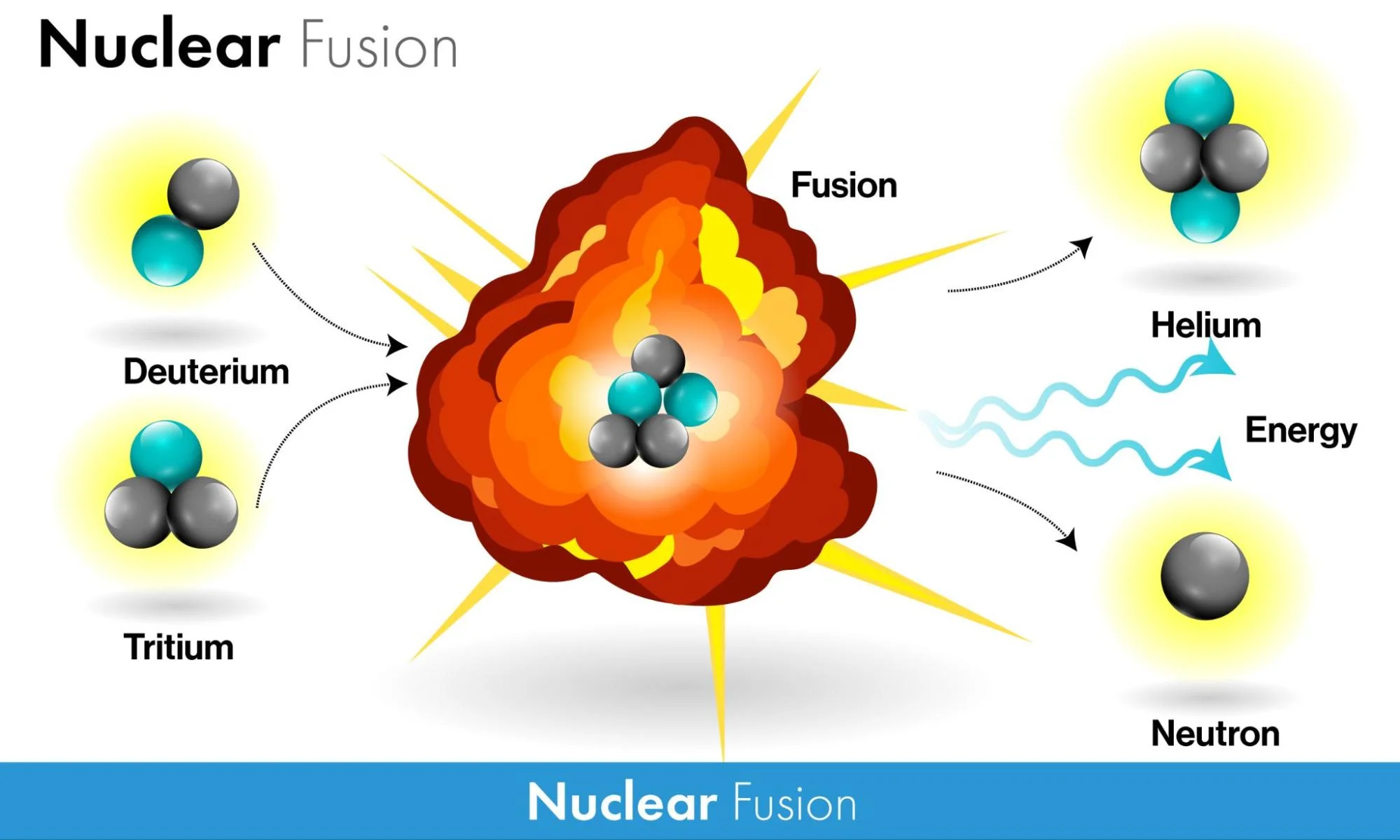
Below are several leading fusion approaches and how they influence manufacturing requirements.
Companies Leading the Development of Fusion Energy Technologies
Zap Energy: Z-Pinch Fusion
Zap Energy uses a linear z-pinch configuration, where a high-current pulse travels through a plasma stream, generating a magnetic field that compresses the plasma and initiates fusion conditions. This approach removes the need for massive external magnets, shifting engineering complexity into:
- High-voltage electrodes and insulators
- Precision-toleranced vacuum assemblies
- Pulsed-power hardware capable of delivering extremely fast current rise times
These systems must withstand thermal cycling, electrical stresses, and repeated pulsed operation—demanding tight tolerances and durable materials.
Helion: Pulsed Magneto-Inertial Fusion
Helion’s system uses colliding plasma pulses that are magnetically compressed, fused, and then expanded to enable direct energy recovery. This architecture places manufacturing emphasis on:
- Advanced electromagnetic coils
- High-performance alloys and structural elements
- Thermal management components
- Rapidly replaceable hardware modules for development testing
Helion’s approach highlights the need for machining precision and materials that perform reliably under extreme magnetic and thermal loads.
Xcimer: Laser-Driven Inertial Fusion
Xcimer applies a high-energy laser approach, focusing multiple beams onto a small fuel target to create rapid compression and fusion conditions. Manufacturing implications include:
- Optomechanical assemblies with exceptionally tight alignment requirements
- Laser housing components with high stability and low thermal deformation
- Vacuum chambers and target-mounting mechanisms
- Precision timing and instrumentation hardware
Laser-driven fusion pushes manufacturing to the limits of precision, cleanliness, and repeatability.
Fusion may still be an emerging field, but its hardware needs are immediate and growing. Manufacturing agility, precision, and rapid iteration cycles are now essential ingredients in bringing fusion closer to climate-scale deployment.
Trend #2: Hydrogen Production and Storage Technologies Gain Momentum
Hydrogen is quickly becoming a cornerstone of climate tech, supporting decarbonization efforts in industrial heat, transportation, and energy storage. As investment accelerates, so does the manufacturing demand for electrolyzers, fuel cells, and high-pressure storage systems.
Scaling Electrolyzer and Fuel Cell Manufacturing
Electrolyzer technologies—such as PEM, alkaline, and solid oxide—each introduce unique manufacturing complexity:
- Thin membranes requiring controlled environments
- Stack assemblies with multi-layer precision and consistent compression
- Fluid and thermal systems designed for high efficiency
- Corrosion-resistant metals and coatings to mitigate hydrogen embrittlement
Building these systems at initial concept and commercial scales requires precise machining, advanced sealing techniques, and robust supply chain management.
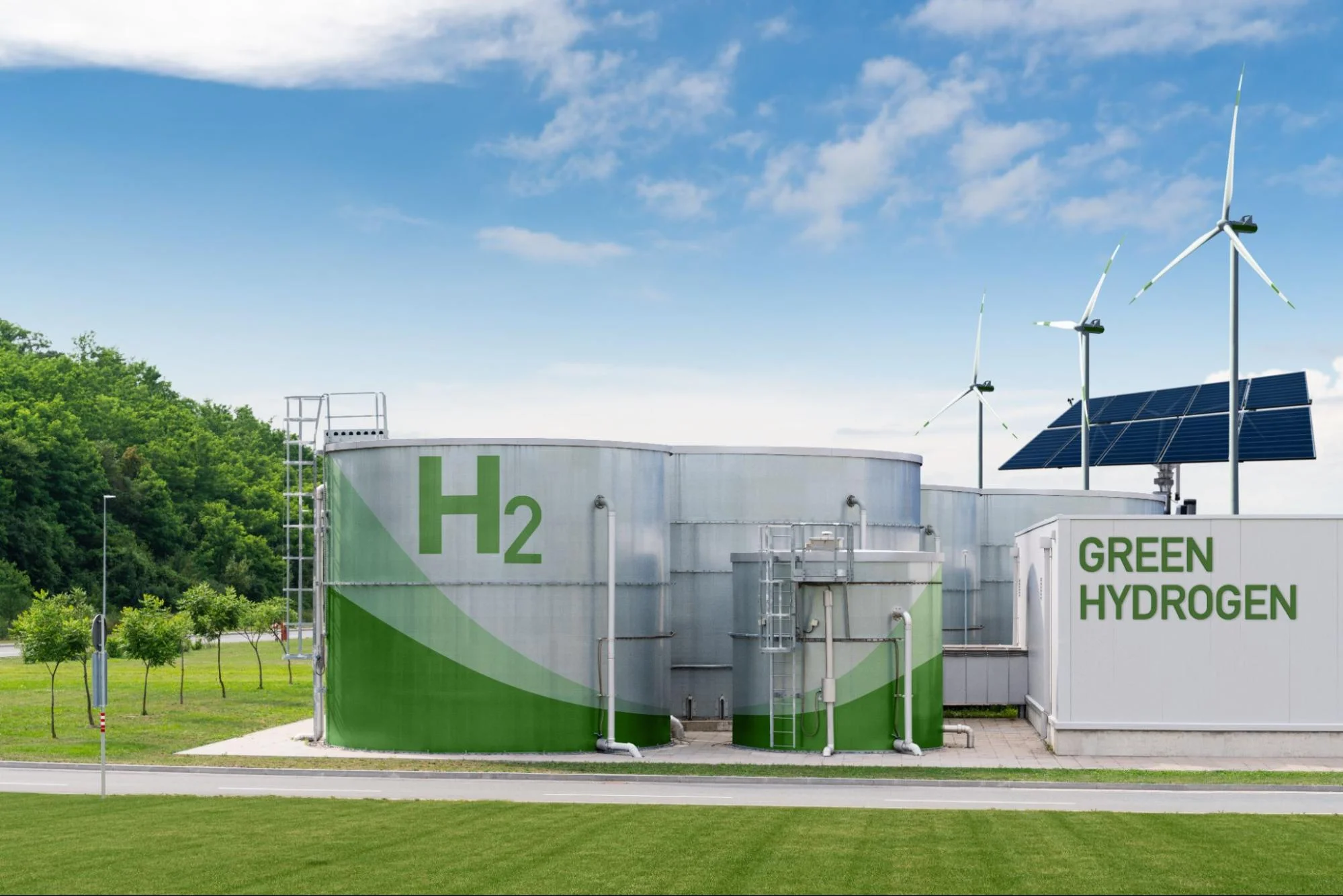
Hydrogen Storage Hardware
Compressed hydrogen systems operate at pressures up to 700 bar, demanding:
- High-strength composites
- Precision-welded metals
- Leak-proof fittings and connectors
- Stringent NDT and QA requirements
These components must meet regulatory standards while being produced rapidly enough to support market expansion.
Hydrogen’s rise reinforces a broader manufacturing truth: climate tech hardware is racing toward industrialization, and the manufacturing ecosystem must keep pace.
Trend #3: The Manufacturing of Advanced Battery and Energy Storage Continues to Scale
Energy storage systems remain one of the most active climate tech sectors, with innovations in solid-state batteries, long-duration storage, and thermal management systems reshaping manufacturing needs.
Manufacturing Challenges for BESS (Battery Energy Storage Systems)
Battery hardware requires:
- Tight-tolerance metal and polymer components
- Controlled-environment assembly
- Precision alignment and compression of cell stacks
- Thermal systems to regulate performance and safety
As battery chemistries evolve, hardware teams rely on fast iteration cycles to test new materials, electrode architectures, and enclosure designs. Manufacturing partners must support rapid design changes, small-batch production, and high repeatability.

With gigafactories expanding worldwide, supply chain reliability and part traceability also become mission-critical for both R&D teams and production-scale launches.
Trend #4: High-Performance Materials Push Manufacturing Boundaries
Climate tech devices often operate under extreme conditions: high heat, high pressure, strong magnetic fields, corrosive environments, or rapid cycling. This drives increased demand for advanced materials such as:
- Ceramics for insulation and thermal stability
- Refractory metals (e.g., tungsten, molybdenum)
- Carbon composites for strength-to-weight performance
- High-temperature polymers such as Torlon®, PAI, PEEK
- Specialized coatings for corrosion and heat resistance
Manufacturing Implications
These materials pose unique challenges:
- Long lead times due to limited suppliers
- Specialized tooling and machining requirements
- Sensitivity to heat, cutting speed, or vibration
- The need for surface-finish consistency for sealing or optical interfaces
As climate tech hardware becomes more demanding, material selection and manufacturability considerations become central to engineering decision-making.
Trend #5: Supply Chain Localization and Rapid Iteration Are Enabling Faster Climate Tech Development
Climate tech startups and OEMs face intense pressure to prototype, validate, and scale physical products faster than ever. At the same time, they need supply chains that can withstand geopolitical uncertainty, material shortages, and regulatory scrutiny.
Why Climate Tech Teams Need Localized, Agile Supply Chains
- Faster prototyping reduces time-to-test for hardware iterations
- Distributed supply bases reduce risk and create regional redundancy
- Onshore and nearshore production supports regulatory and investor requirements
- Digital manufacturing networks provide transparency and quality control
Unlike software, hardware cannot scale without physical infrastructure. The ability to source, machine, assemble, and validate components quickly is becoming a competitive advantage for climate tech companies.
This trend underscores a broader shift: climate tech manufacturing must rely on a global and resilient supply chain, capable of rapid iteration during R&D and repeatability during commercialization.
Manufacturing as a Core Enabler of Climate Tech Innovation
From fusion reactors to hydrogen systems to advanced batteries, the next decade of climate tech hinges on solving manufacturing challenges with the same creativity applied to scientific ones. Hardware teams need faster prototyping, access to advanced materials, resilient supply chains, and precision manufacturing.
Climate tech isn’t just reshaping the energy landscape—it’s redefining what modern manufacturing must deliver.
For engineering and product development teams building the future of climate technology, partnering with agile, high-quality manufacturing networks can dramatically accelerate development timelines, reduce risk, and help bring breakthrough hardware to market sooner.