


Optical Polymer Replica

Acrylic-Like

Acrylic-Like Urethane Casting — Clear, Rigid Parts with Excellent Visual Quality
Acrylic-Like

At a glance

Process

Urethane Casting

Lead Time

10 days

Colors

Clear

Hardness

Shore D 87

Price

$$

Applications

Light pipes, see-through applications

Material Properties

Hardness: 75-85 Shore D
Tensile Strength (Mpa): 17-70
Elongation %: 45524
Impact Strength: 60-70 J/m 0.5-1.1 ft-lb/in

Urethane Material Grade (Overseas)

Axson UPX 5210

Urethane Material Grade (Domestic)

Rampf OC 5086

Color

Color Match

About the Material

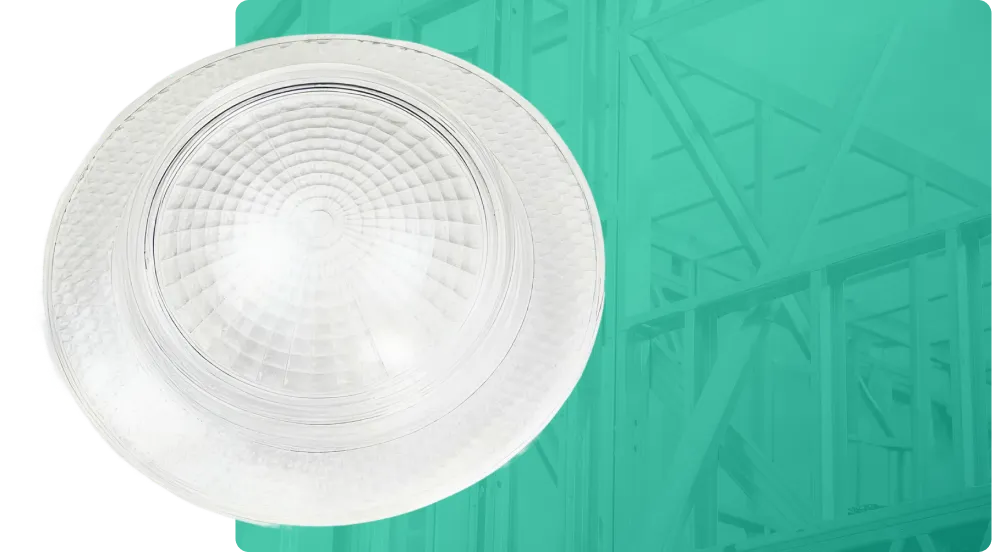
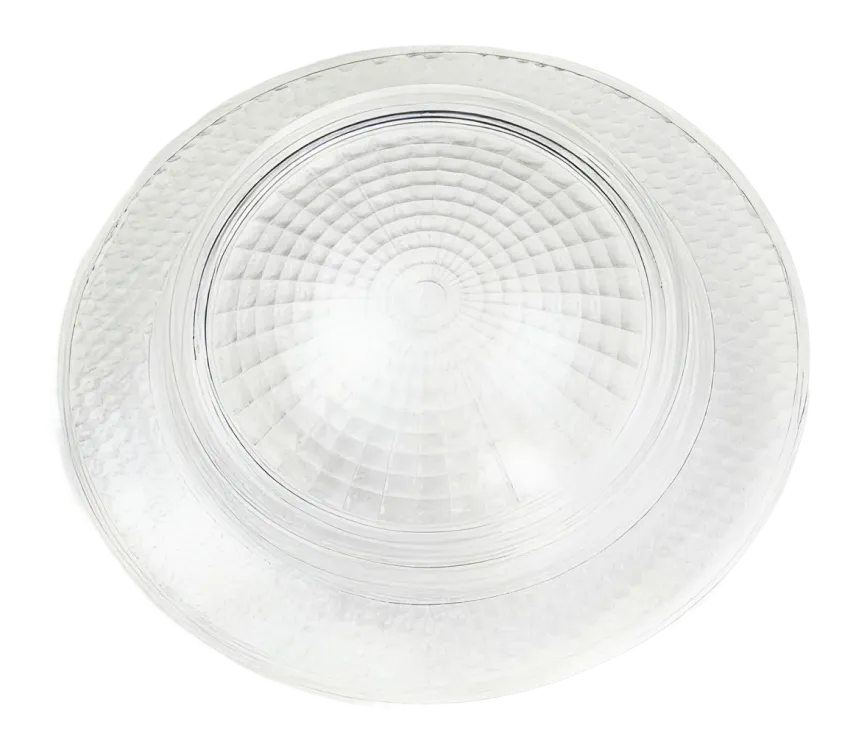
Acrylic-Like is a stiff, transparent polyurethane plastic that simulates acrylic (PMMA). This material is great for see-through applications such as light pipes.

Clarity

Extreme Toughness Icon

Luminance

Extreme Toughness Icon

Material Properties

Tensile Strength

75 MPa

Elongation at Break

9%

Hardness

Shore D 87

Flexural Strength

105 MPa

Flexural Modulus of Elasticity

2.1 GPa

Tensile Modulus of Elasticity

2.7 GPa

Design Recommendations

Min Wall Thickness

1.5 mm for guaranteed parts
1.0 mm minimum

Rib Dimensions

Thickness: < 60% nominal wall thickness.
Height: < 3x thickness

Min Boss Dimensions [h, d]

1 x 1 mm
0.039 x 0.039 in
Cost Saving Tip

Cost Saving Tip

To reduce costs, limit the number of part setups, the number of inspection dimensions or tight tolerances, and deep pockets with small radii.

You Might also be Interested in

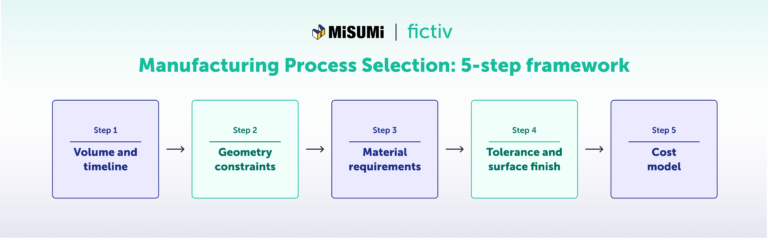
Header image: ‘Manufacturing Process Selection: 5-step framework’ with five connected steps: Step 1 Volume and timeline, Step 2 Geometry constraints, Step 3 Material requirements, Step 4 Tolerance and surface finish, Step 5 Cost model.

Manufacturing Process Selection: A Guide to Choosing the Right Production Methods

The manufacturing process you select impacts part cost, lead time, achievable tolerances, material options, and how easily you can iterate…

Learn more >
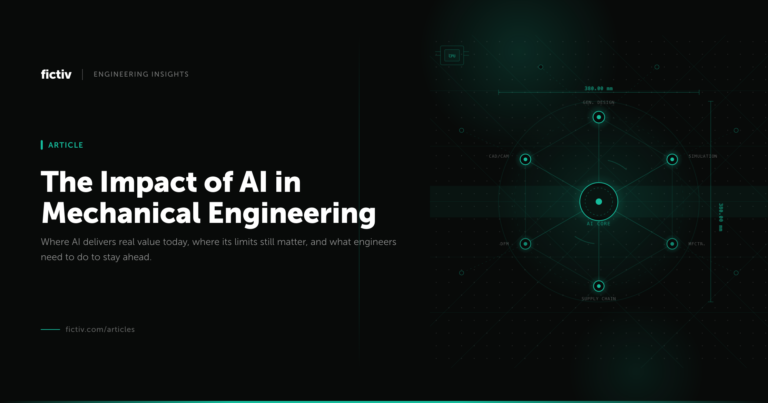
Left-aligned article header: 'The Impact of AI in Mechanical Engineering' with subtitle on a dark background; brand 'fictiv' logo visible. Right side shows a teal, high-tech schematic with an AI core and connected nodes.

The Impact of AI in Mechanical Engineering

Artificial Intelligence is no longer on the horizon for mechanical engineers—it’s already on our desktops, inside our CAD tools, and…

Learn more >