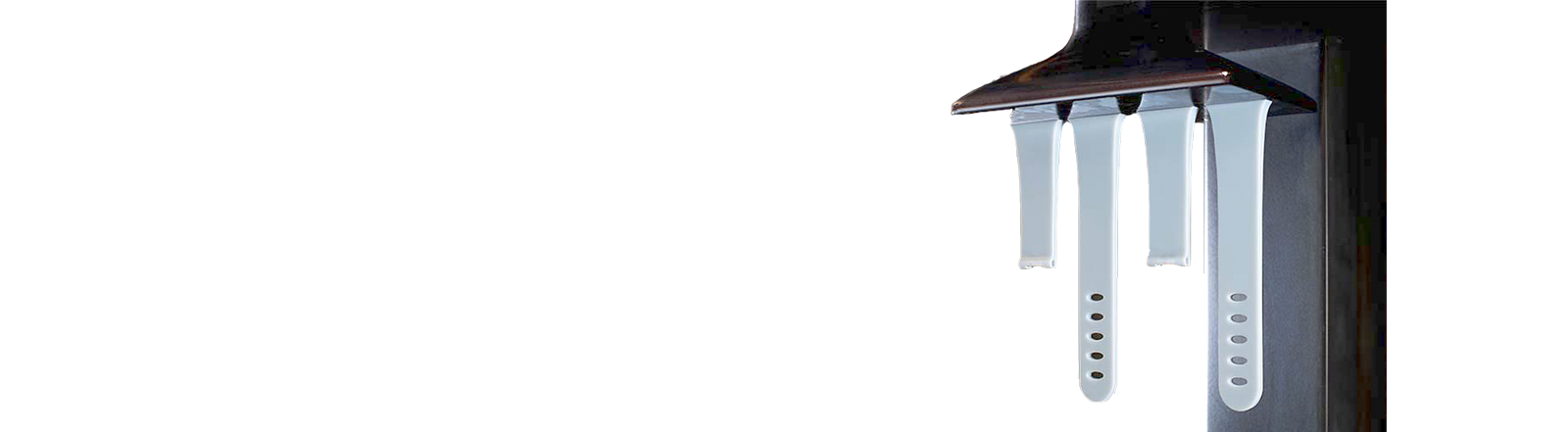
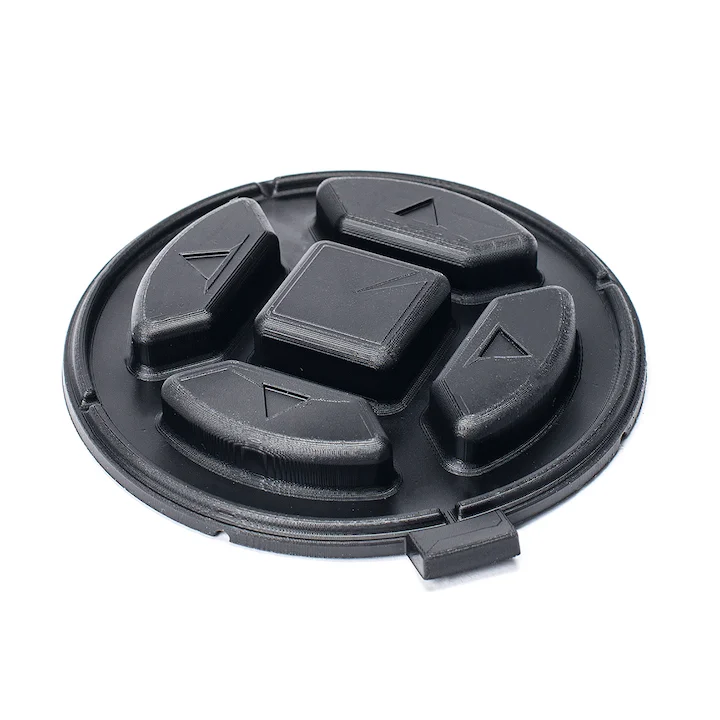
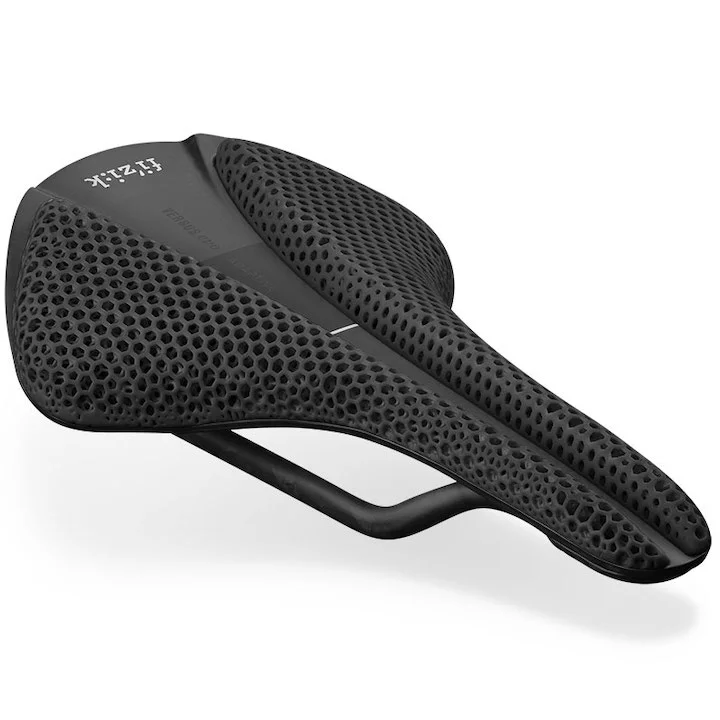
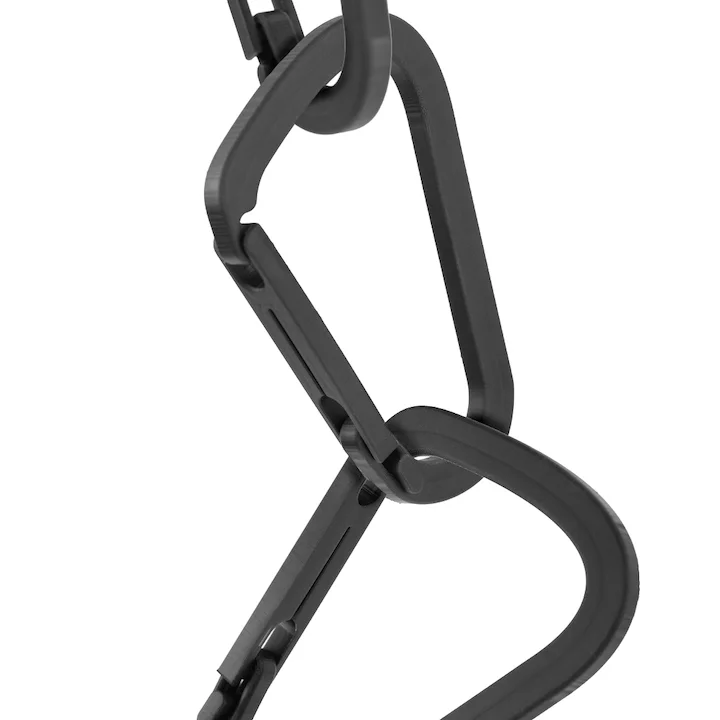
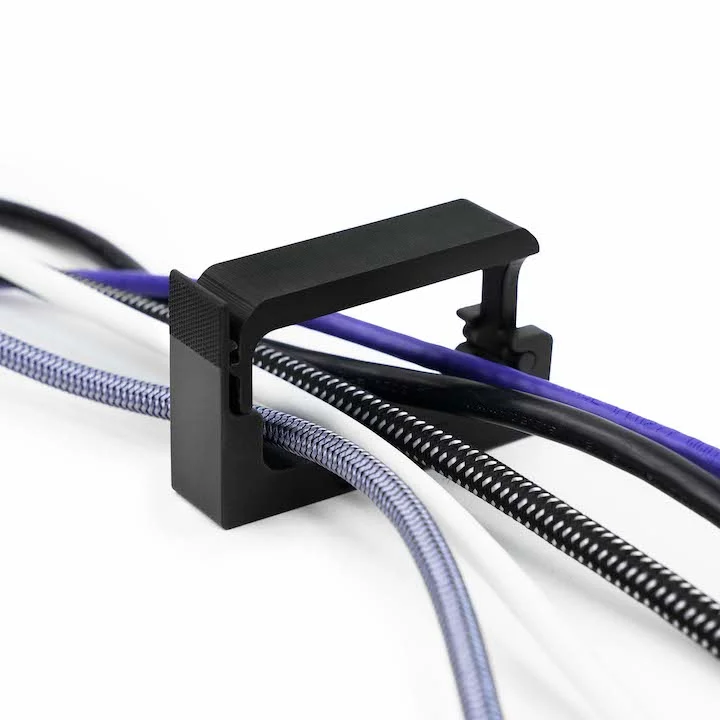
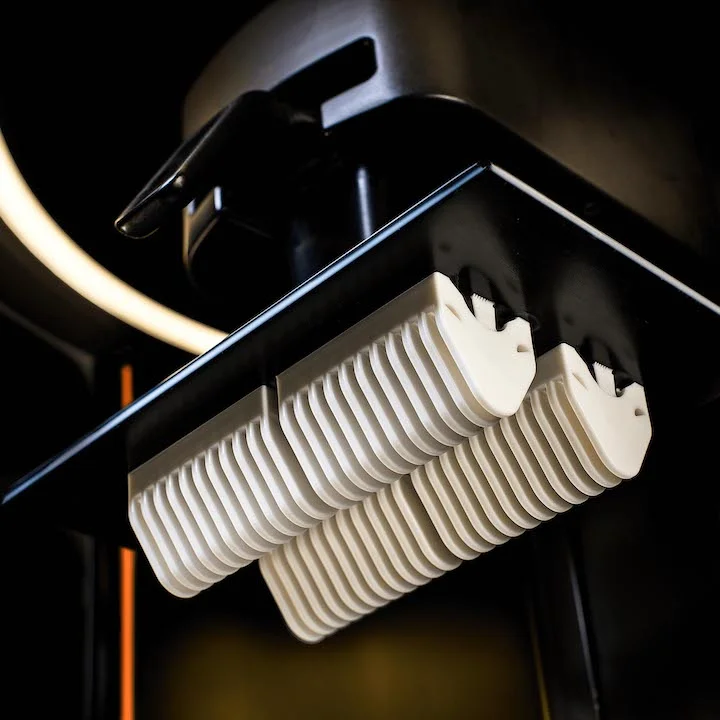
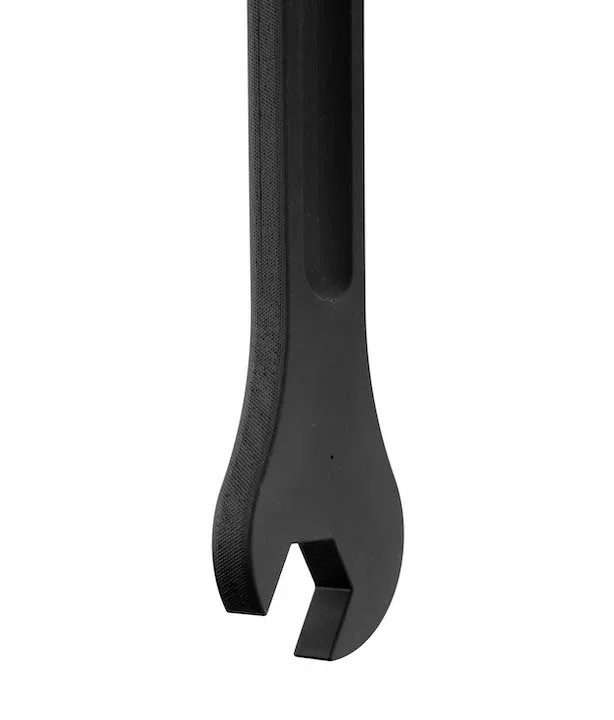
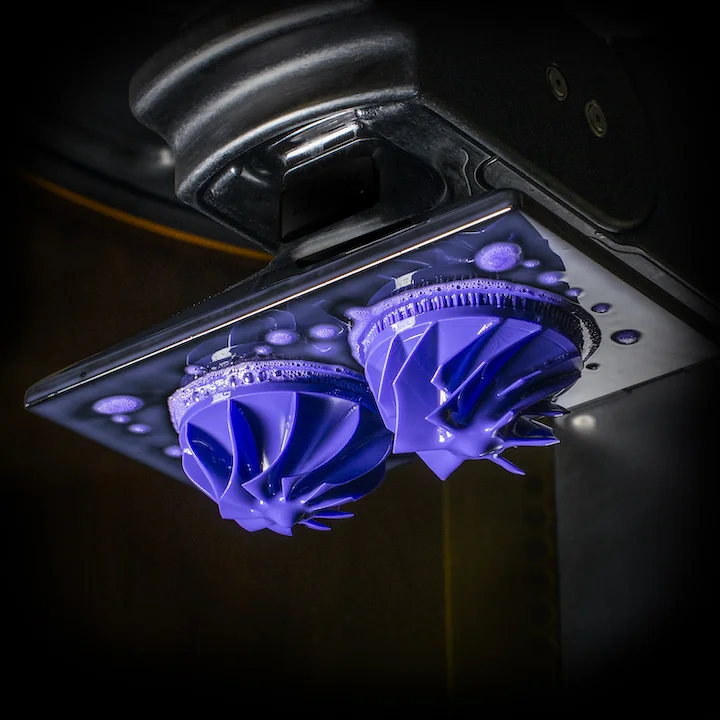
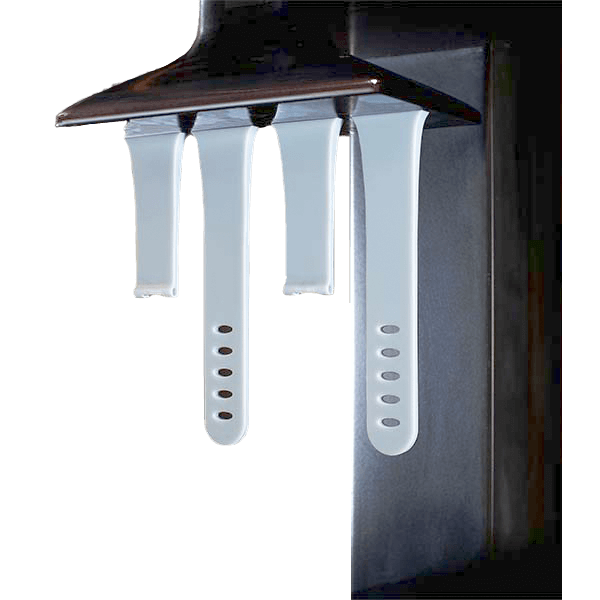
Digital Light Synthesis (DLS) is a 3D Printing process used for production-level end-use parts.
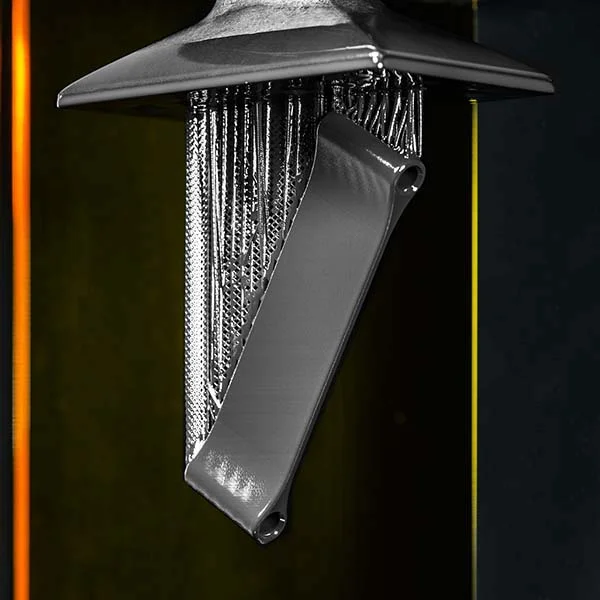
Through DLS, a liquid polymer resin is selectively cured using digital light projection, similar to SLA. However, Carbon DLS uses a specialized oxygen-permeable membrane at the bottom of the resin tank. This membrane allows for the creation of a “dead zone” of uncured resin beneath the curing interface.
This unique feature enables continuous printing and prevents the resin from sticking to the build platform, making it easier to separate the printed part after each layer.
- Speed: Carbon DLS can achieve rapid print speeds compared to traditional SLA methods, thanks to its continuous liquid interface production (CLIP) technology.
- Accuracy: The digital light projection system ensures high-resolution printing, allowing for intricate details and fine surface finishes.
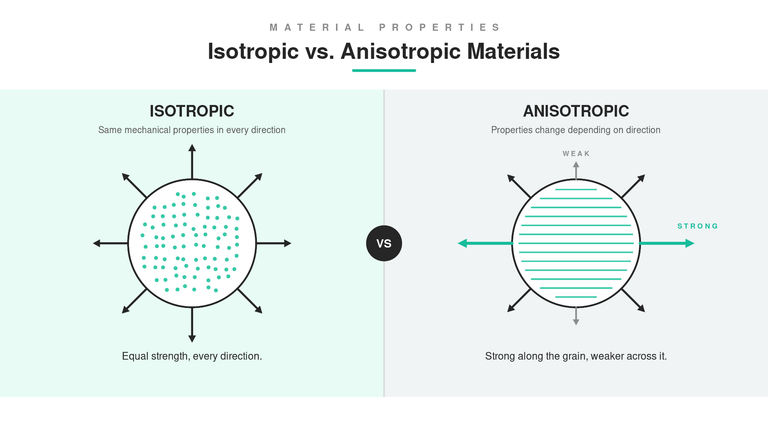
- Material Properties: Carbon DLS technology provides homogenous isotropic strength across their broad range of proprietary resins. This improves properties such as strength, durability, flexibility, and biocompatibility, making them suitable for a variety of applications.
- Consistency/Repeatability: The oxygen-permeable membrane and continuous printing process contribute to consistent layer-to-layer curing and reduce the risk of warping or deformation.
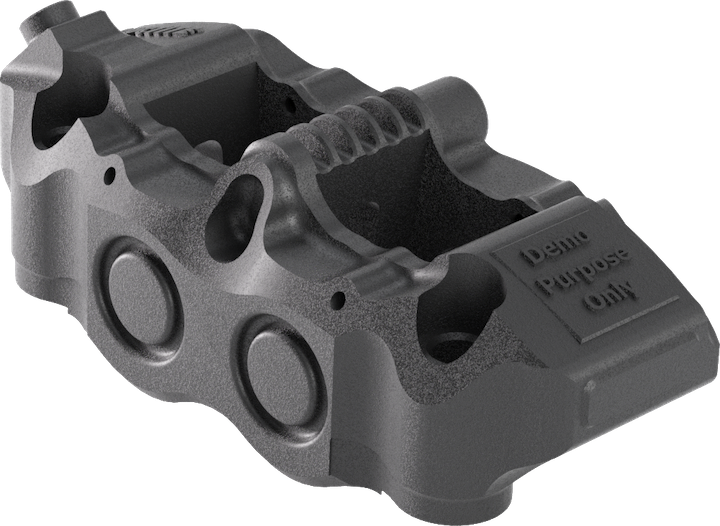
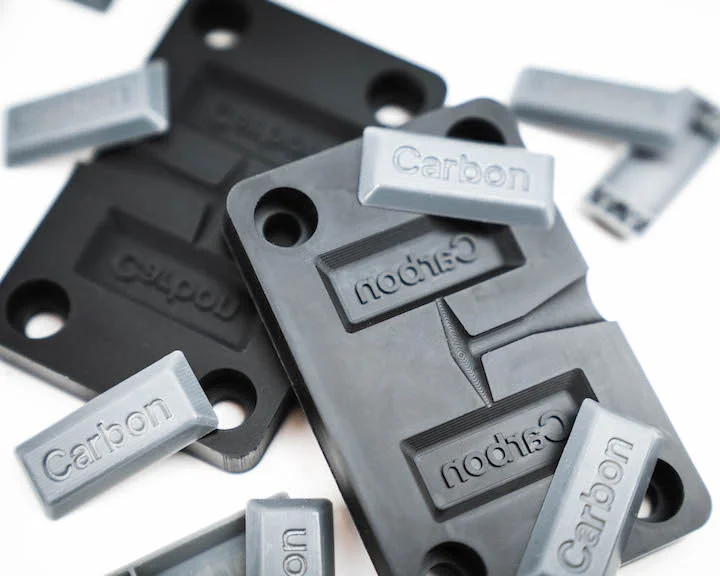
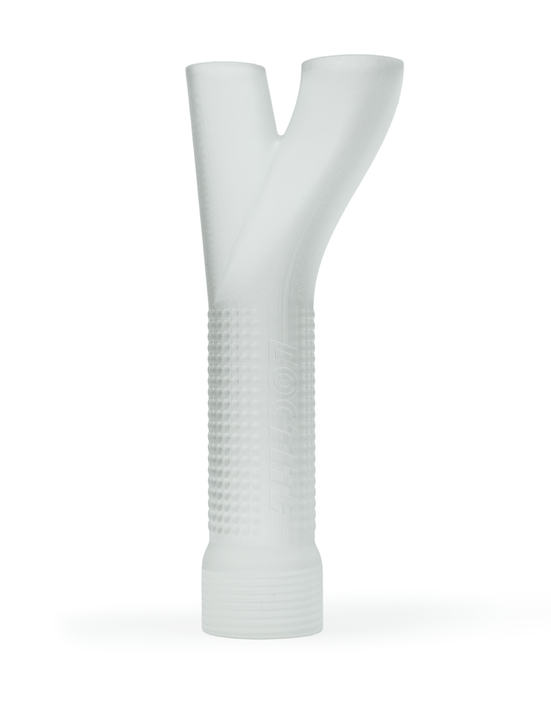
- Production Capabilities: Carbon DLS is often used for both prototyping and end-use production, making it suitable for a broad range of industries, including automotive, aerospace, healthcare, and consumer goods.