


Time to read: 11 min
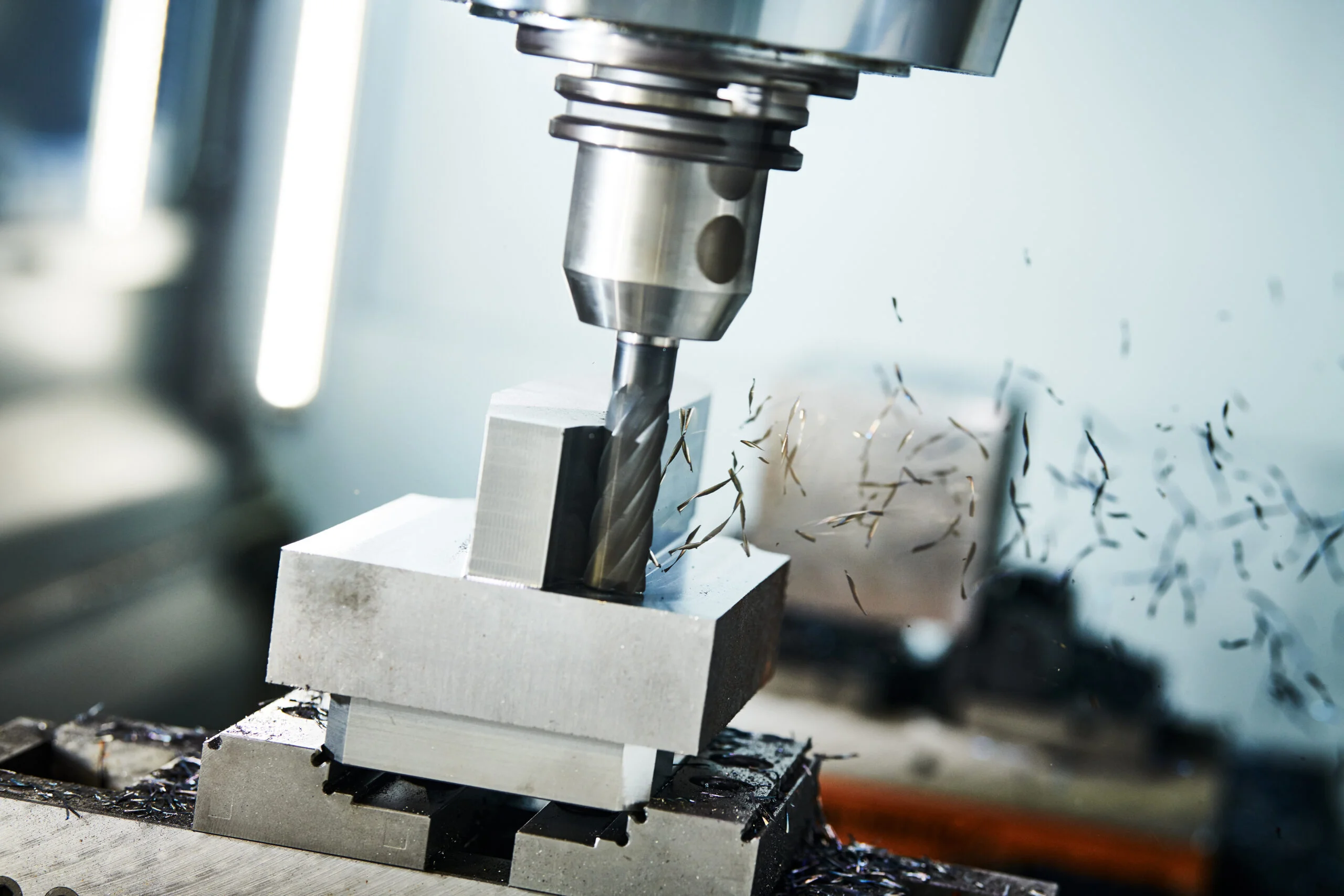
3-axis CNC machining is a manufacturing process in which cutting tools move along three linear axes (X, Y, and Z) to remove material from a workpiece. It’s the most common type of CNC machining, ideal for producing simple to moderately complex parts with flat surfaces, pockets, and basic contours.
3-axis CNC machining is a powerful, automated way to produce consistent, precision parts quickly and cost-effectively. However, it has both strengths and limitations, so it’s important to understand how it works and when to use it.
How Many Axes Does a Typical CNC Machine Have?
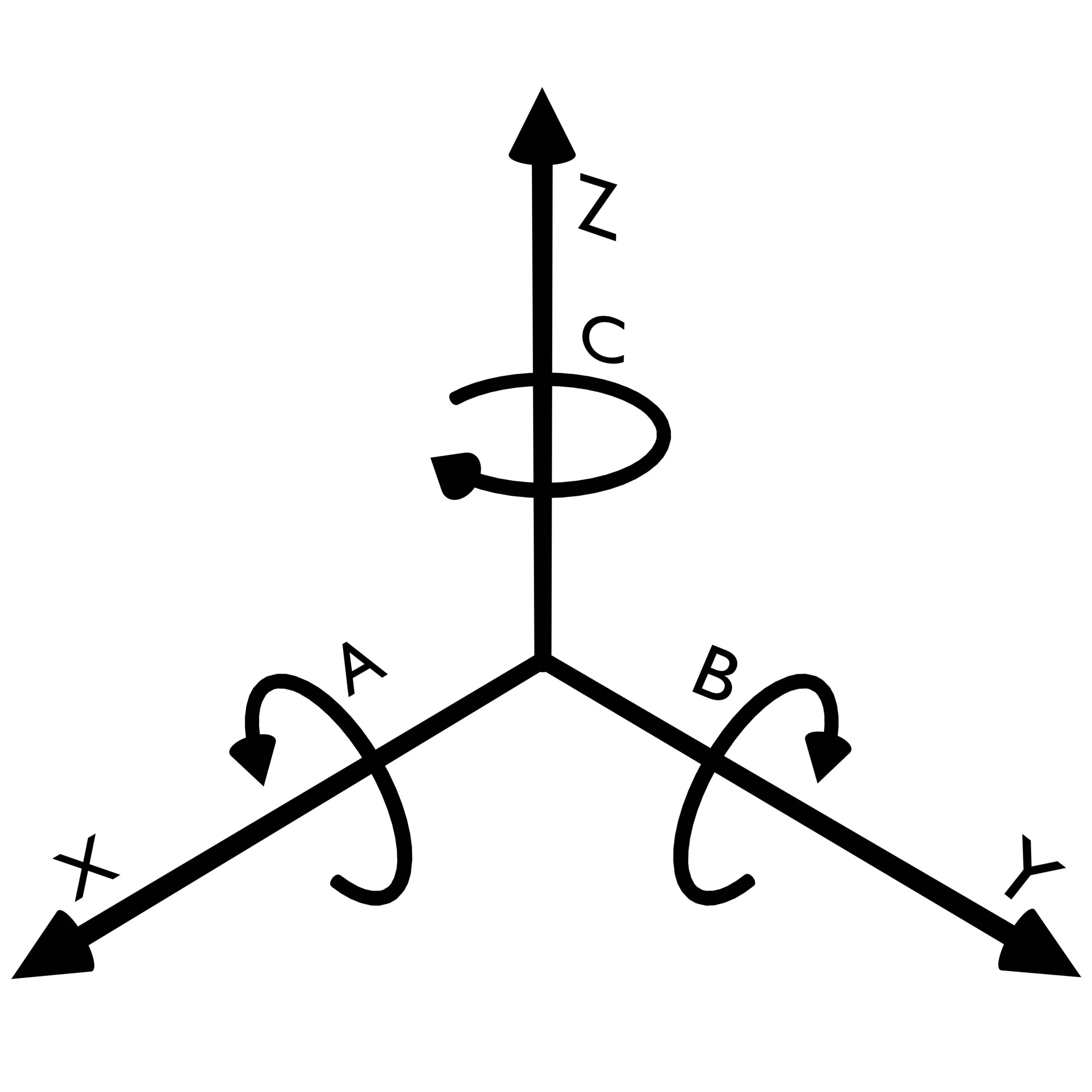
Most CNC machines operate on 3 to 5 axes, while advanced multi-axis systems can have up to 12 axes, depending on complexity. The foundational 3 axes are linear motion in X, Y, and Z directions; the next two are rotations about two of these axes.
Advanced systems can scale up to 7 axes or more. Going beyond 5 axes doesn’t just mean adding more directions of movement—it usually means combining entirely different manufacturing capabilities into a single machine.
For example, a 7-axis mill-turn center combines a traditional CNC mill with a high-speed lathe. Using dual spindles and multiple tool holders at once, it can finish complex, multi-sided parts in a single automated step, eliminating the need for manual repositioning.
While these advanced machines are often instrumental for ultra-complex parts, they require intense programming and come with a massive price tag. For most flat or prismatic parts, matching your design to a simpler, standard 3-axis machine is by far the most cost-effective option.
The highest-order CNC isn’t automatically the best choice for any project. The optimal solution is to match the part’s complexity to the minimum number of axes required. This keeps costs down and uses simpler programming to produce parts.
Explore our comprehensive breakdown of multi-axis CNC milling machine capabilities to see how they stack up.
What Is 3-Axis CNC Machining?
For mechanical engineers, product designers, and procurement teams, industrial 3-axis CNC machining serves as the foundational workhorse for translating CAD files into physical components. Whether validating fitment with early-stage prototypes or executing low-volume production runs, modern 3-axis CNC machines offer an unparalleled balance of speed, precision, and cost-efficiency.
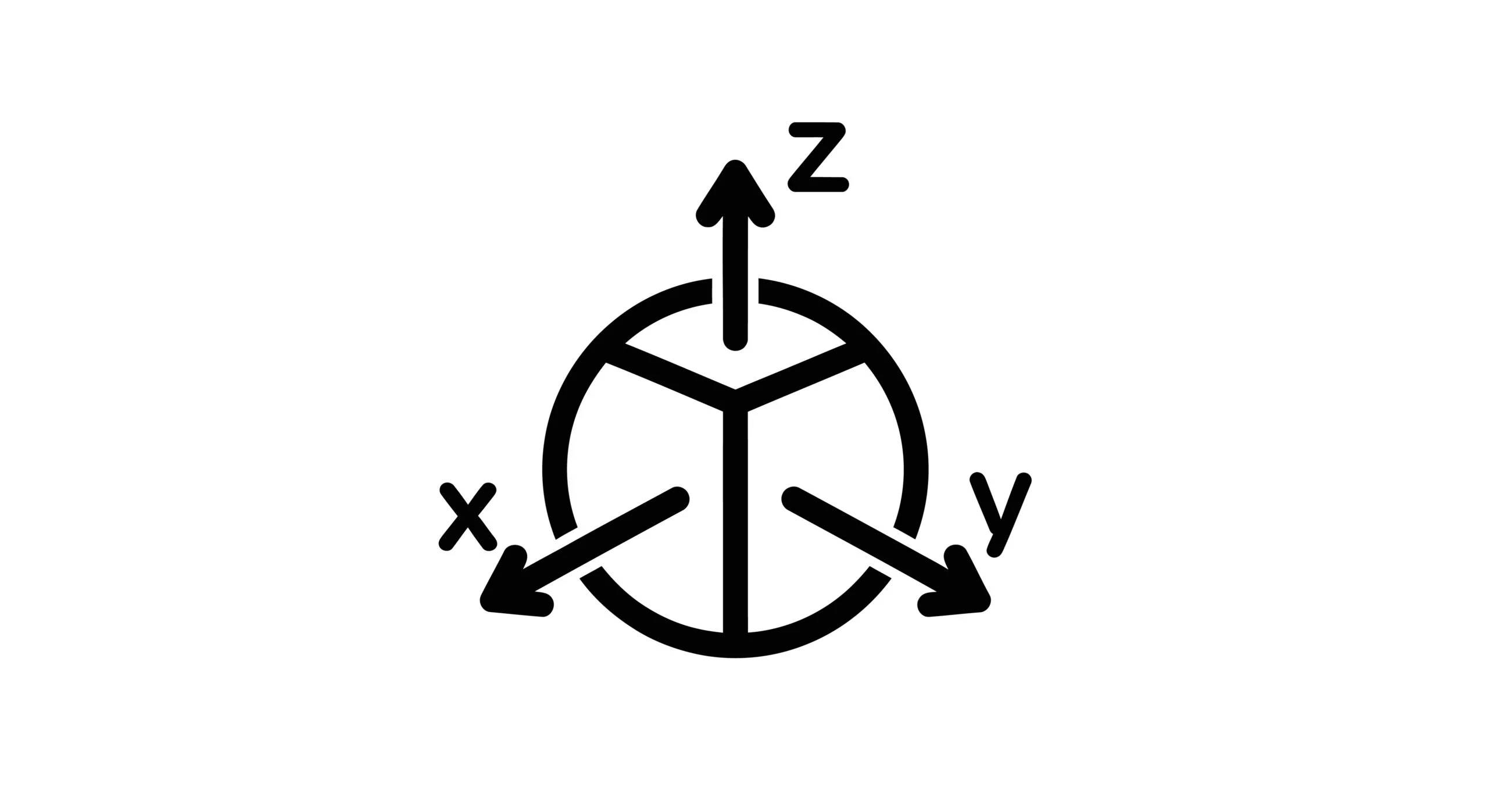
The three axes of movement in 3-axis machining are:
- X-axis: Linear horizontal movement from left to right.
- Y-axis: Linear horizontal movement from front to back.
- Z-axis: Linear movement in the vertical direction.
In 3-axis machining, the workpiece is typically fixed, and the cutting tool moves in the three linear directions described above. Alternatively, the workpiece could move in one or two axes, with the tool moving in the remaining axes. As the cutting tool moves relative to the workpiece, it removes material, cutting it to the required dimensions. Multiple passes across the workpiece are usually needed to achieve the overall dimensions.
What Capabilities Does a 3-Axis CNC Machine Have?
The primary operations for a 3-axis CNC machine include flat-surface milling, facing, drilling, and tapping holes. However, its capabilities extend far beyond basic flat geometries into complex structural and organic shapes.
For standard industrial parts, a 3-axis milling machine is commonly used for 2.5D machining. In 2.5D applications, the machine cuts features at varying depths, such as pocketing, slotting, and step profiles. While the finished part is three-dimensional, the cutting tool typically moves simultaneously in only two linear dimensions (X and Y) while stepping down incrementally along the Z-axis.
Modern 3-axis machines are also fully capable of true, simultaneous 3D surface contouring. By interpolating the X, Y, and Z axes at the exact same time, a 3-axis mill can use a ball-nose end mill to carve smooth, organic geometries like consumer electronics enclosures and injection mold cavities.
Advantages of 3-Axis CNC Machining
The primary advantage of 3-axis machining is its simplicity. Either the workpiece or the cutting tool moves along the three Cartesian axes (advanced machines allow the workpiece and tool to move simultaneously in different axes). This simplicity translates into several benefits.
Since the machines are simpler, they are cheaper and easier to produce. They are more widely manufactured and therefore more widely available. Buying a 3-axis machine costs less than a 5-axis (or higher) CNC.
A 3-axis CNC machine’s movements are also simpler to program, and setup of the workpiece and tools takes far less time.
Considering each of these benefits, 3-axis CNC machining is well-suited for rapid CNC prototyping, where it’s important to “fail fast” with quick turnaround on iterations.
Limitations of 3-Axis CNC Machining
The simplicity of 3-axis CNC machining comes with trade-offs. Moving in only three linear axes limits access—parts with undercuts or multi-sided features typically require multiple setups, with the workpiece manually repositioned between operations to give the tool access. Each repositioning takes time and introduces the risk of inaccuracy.
The primary geometric limitation of 3-axis machining is its inability to machine undercuts or hidden internal features. Because the cutting tool can only approach the workpiece from a top-down orientation, any feature located beneath an overhanging edge is physically inaccessible.
To machine undercuts or multi-sided geometries on a 3-axis mill, the operator must stop the machine to manually flip and re-fixture the workpiece into a new setup, which introduces the risk of tolerance stack-up error. To avoid multiple setups for parts with complex undercuts, transition the design to a multi-axis CNC machine that can dynamically tilt the workpiece to give the tool direct line-of-sight and improve precision.
For parts with demanding geometry, a 5-axis CNC is the most efficient path, considering both time and cost. The complexity of the machine should match the complexity of the part to maximize efficiency.
Industrial 3-Axis CNC Machining Center vs. CNC Router
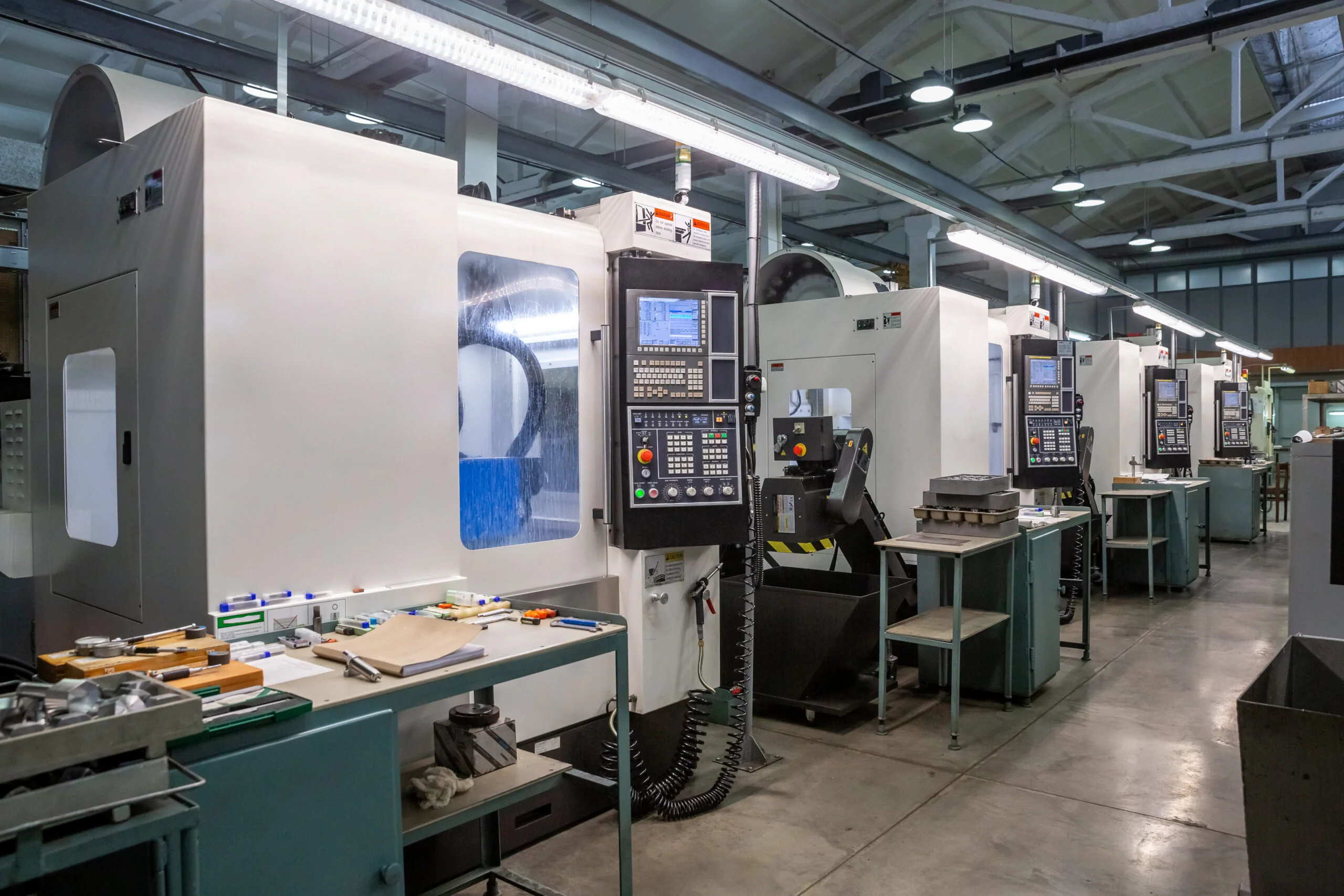
Sourcing professionals often evaluate different tiers of three-axis equipment. It’s important to distinguish between a commercial 3-axis CNC router and an industrial-grade 3-axis CNC machining center.
- 3-Axis CNC Routers: Typically designed for soft material execution (wood, plastics, and thin-gauge aluminum sheets). Routers rely on a moving gantry system over a fixed bed. While highly efficient for large, flat-surface areas, they lack the structural rigidity required for tight engineering tolerances or hard metal alloys.
- 3-Axis CNC Milling Machines: Engineered for rigid, high-precision fabrication of metal and structural plastics. In these industrial milling machines, or mills, computer numerical control drives heavy-duty spindles into fixed or indexed workpieces. If your design requires tight geometric dimensioning and tolerancing (GD&T), mold finishes, or heavy material removal in alloys like titanium or 4140 steel, the job should be dedicated to a 3-axis CNC milling machine.
3-Axis vs. 5-Axis CNC Machining
This comparison covers some of the primary differences between 3-axis CNC machining and 5-axis CNC machining:
| Feature | 3-Axis | 5-Axis |
| Movement | X, Y, Z | X, Y, Z + A, C |
| Complexity | Moderate | High |
| Setups Required | Multiple (with complex parts) | Fewer (with complex parts) |
| Cost | Lower | Higher |
| Precision | Good | Excellent |
| Tool access to hidden faces | Limited | Better |
| Programming complexity | Lower | Higher |
| Operator skill required | Moderate | High |
| Best use case | Plates, brackets, housings, and a wide variety of general-purpose components with basic geometry | Molds, impellers, complex contours, undercuts |
3-axis machining is best for simpler, cost-sensitive parts. 5-axis handles contoured geometries with fewer setups and higher precision.
When Should You Use 3-Axis CNC Machining?
3-axis CNC machining is the right choice when you need to produce simple geometries, and using the simplest machine capable of the job will allow the most cost-effective production. While complex aerospace impellers or deep undercuts for automotive parts demand CNC multi-axis systems, standard prismatic parts are best matched to a three-axis configuration to eliminate unnecessary setup and programming overhead.
3-axis CNC machining is also a good choice for early-stage prototyping, as its quick setup and simple programming provide a faster turnaround on prototype iterations. Higher-order multi-axis CNC machines are better suited to complex geometries, especially contoured parts like impellers or components with undercuts and other complications.
Industries and Applications
Here are some common industry applications for 3-axis CNC machining:
- Automotive: 3-axis CNC machines are workhorses for producing volumes of simple, flat automotive components like covers, brackets, flanges, and sealing faces.
- Consumer Electronics: Used to create simple consumer electronics enclosures, such as aluminum housings and cases.
- Industrial Equipment: 3-axis CNC machines are used for flat or prismatic industrial equipment parts, such as wearplates, rings, and bases. These can support industries such as power generation, mining, and chemical manufacturing.
- Medical: 3-axis CNC machines are even used in high-end industries (medical components, for example) on simpler geometries like surgical instrument handles, medical device housings, hospital equipment enclosures, and surgical trays.
Cost and Lead Time Considerations
3-axis CNC machines are the most cost-effective for producing reasonably simple parts. 3-axis machines generally have a lower cost per part than 5-axis CNC machines. However, it’s not quite that simple.
3-axis machines don’t have a rotating table, so multi-sided or more complex parts will require multiple workpiece setups. The machining time on a 3-axis CNC with multiple setups is typically longer than on a multi-axis CNC. As a result, lead times grow as part complexity gets more demanding.
How 3-Axis Fits into Multi-Axis CNC Machining
The decision between 3-axis CNC machining vs. 5-axis or other multi-axis CNC machining isn’t necessarily a matter of selecting one or the other. The 3-axis machine is usually the entry point to CNC machining, laying the foundation for working with Computer Numerical Control—both for the client and for building the operators’ skills and capabilities before taking on all that 5-axis machines can do.
Even in a shop with multi-axis CNC machines, 3-axis machines are still commonly used for the simpler parts that hit the 3-axis sweet spot for simplicity and cost-effectiveness. A 3-axis machine can also be incorporated into a workflow that uses indexed 5-axis machining by adding aftermarket hardware.
Indexed 5-axis machining uses the two rotational axes to position the part (or tool), then fixes that position, and then machines using the standard 3 linear axes. This is sometimes referred to as 3+2-axis machining, rather than pure 5-axis machining that moves along the rotational axes during machining to create contours.
Choosing the Right CNC Machining Approach
Whether a part is best suited to a 3-axis CNC or a multi-axis CNC may not always be intuitive, but you don’t need to figure it out on your own. Fictiv combines digital intelligence with human expertise to help make the decision. Our platform provides instant quoting and automated DFM (design for manufacturability) feedback based on the best machine for your design.
Upload your CAD files to Fictiv to get started machining your parts.
3-Axis CNC Machining FAQs
What is the main difference between 3-axis and 5-axis CNC machining?
The primary difference lies in the degrees of freedom and movement capabilities. A 3-axis CNC machine moves a cutting tool along three linear axes (X, Y, and Z) to cut material from a stationary workpiece. A 5-axis CNC machine utilizes those same three linear axes plus two rotational axes (typically chosen from A, B, or C). This allows the machine to rotate the part or tilt the cutting head dynamically, enabling the fabrication of highly complex, organic shapes without the need for multiple manual setups.
Can a 3-axis CNC machine cut 3D curves and contoured surfaces?
Yes, modern 3-axis CNC machines are fully capable of true, simultaneous 3D surface contouring. By moving the X, Y, and Z axes at the exact same time, a 3-axis mill can use specialized tools like ball-nose end mills to carve smooth, complex, organic geometries. However, unlike a 5-axis machine, a 3-axis machine can only perform this contouring from a top-down approach, meaning it cannot carve complex shapes on multiple faces or execute undercuts without a manual fixture change.
What design features cannot be machined on a 3-axis CNC mill?
The most significant limitation of 3-axis machining is the inability to machine undercuts and hidden internal geometries. Because a 3-axis cutting tool only approaches a workpiece from above, it cannot reach areas hidden beneath overhanging material. Additionally, because CNC milling tools are round and spin, a 3-axis machine cannot cut perfectly sharp 90° internal vertical corners; designers must instead incorporate fillets or relief cuts into these internal corners.
Why is 3-axis CNC machining usually the cheapest option?
3-axis machining is highly cost-effective because the machinery is less expensive to purchase, maintain, and operate compared to multi-axis setups. Furthermore, 3-axis programming (G-code generation) and physical machine setups are much simpler and faster. This reduced labor and machine overhead translates directly to a lower cost-per-part, making it the ideal choice for simple geometries, flat plates, brackets, and early-stage prototyping.
How do I know if my CAD design requires 5-axis machining instead of 3-axis?
As a rule of thumb, if your part requires machining on multiple sides, features complex organic contours, or includes critical undercuts, it will likely benefit from a 5-axis setup to avoid tolerance stack-up from manual flips. However, you don’t have to figure it out blindly. By uploading your CAD file to the Fictiv platform, our intelligent software automatically analyzes your part geometry, provides instant pricing, and delivers automated DFM (Design for Manufacturability) feedback based on the best machining approach.