




Latest articles

Article

Which Type of CNC Cutting is Best for Your Parts?

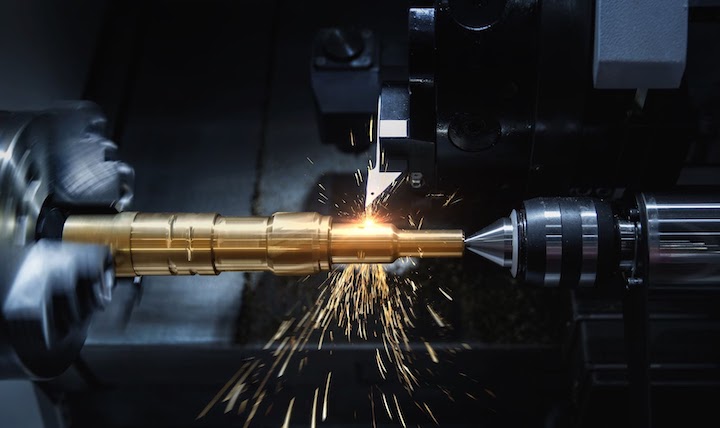
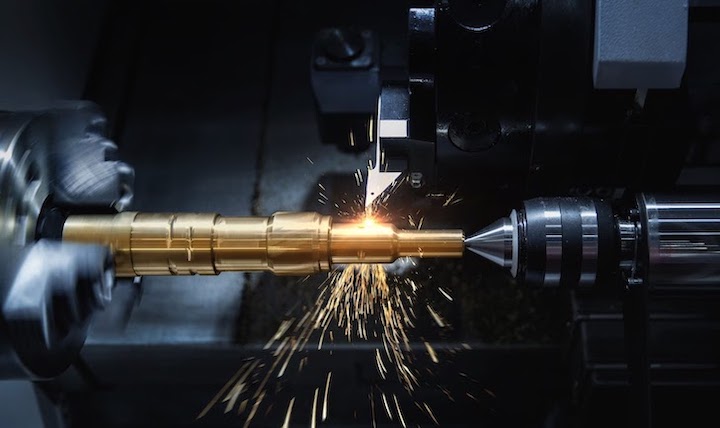
Whether you have a new and exciting part design, or you’ve been asked to optimize an existing part, choosing the optimal CNC cutting method can be difficult. CNC (Computer Numerical Control) machining is a large and growing industry, encapsulating a variety of manufacturing processes — all aimed at producing parts by removing material. In this […]

Article

Precision CNC Machining: How Can You Make Your Parts More Precise?

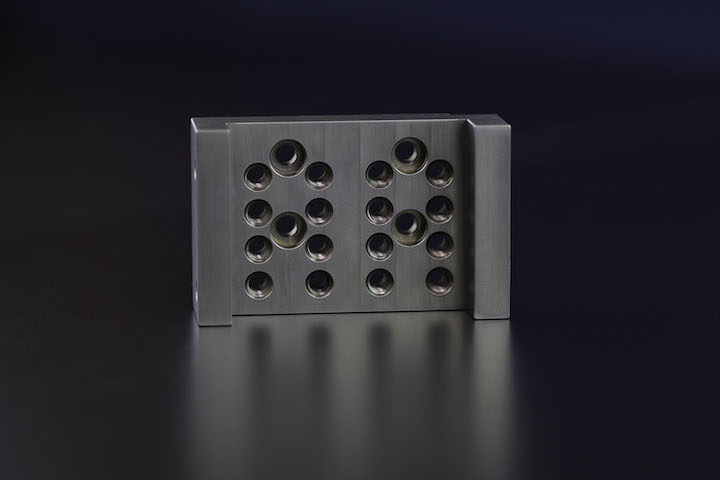
When you hear precision CNC machining, what comes to mind? Isn’t all CNC machining “precision?” In a sense, yes. CNC machining allows you quickly manufacture precise parts in large volumes. However, it goes much further than that. In this article, we’ll discuss: So What Does Precision Really Mean? Precision and accuracy are often confused and […]

Article

Injection Molding Tolerances: 7 Questions for Designers

Injection molding tolerances are acceptable variations in size for part features and overall dimensions. They are expressed as plus or minus (±) values in millimeters or inches and vary by the type of material that’s used and the overall size of the part. Designers add tolerances to CAD files to tell an injection molder the […]

Article

Fictiv Achieves SOC 2 Type II Compliance to Offer Customers Greater IP Protection

SAN FRANCISCO, August 11, 2022 – Fictiv, the operating system for custom manufacturing, today announced it has successfully completed its audit for System and Organization Controls (SOC) 2 Type II compliance, the only company in the digital manufacturing industry to meet this standard. This achievement reflects Fictiv’s commitment to the highest levels of confidentiality, data […]

Article

What is ISO 2768? A Guide to Tolerance Standards for CNC Machining

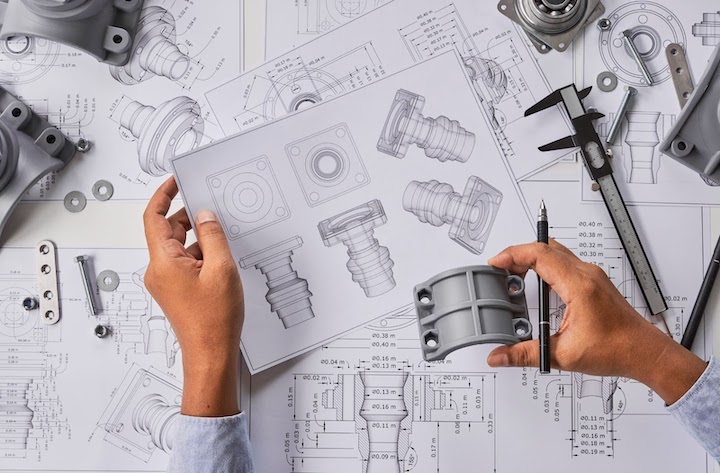
Determining the correct tolerances to apply to your product design can be challenging. There are natural variations amongst products that occur in mass production and you should plan for these deviations when you are applying tolerances to products.  That said, you can decide how much a fabricated product can deviate from the engineering drawing dimensions […]

Article

10 Macro Trends in Manufacturing for 2022

What’s a macro trend (also known as a macrotrend)? While a trend is a general shift toward a specific thing, a macro trend is a persistent and widespread shift on a global scale. Examples include urbanization, automation, and globalization. It’s much longer-lasting than a fad and tends to change national or global culture and practices.  […]

Article

3-Axis to 12-Axis: CNC Milling Machine Capabilities Compared

Computer Numerical Control (or CNC) machining combines the efficiency of computer programming with the customizability of subtractive manufacturing. The CNC controller works in conjunction with mechanical components such as axes, motors, and drive components to automate the manufacturing process and maintain quality and repeatability. There are many different types of CNC machines on the market […]

Article

Fictiv Delivers U.S. Injection Molding Solutions to Address Industry’s Biggest Supply Chain Issues

SAN FRANCISCO, August 9, 2022 – Fictiv, the operating system for custom manufacturing, announced today that in response to customer demand, it is expanding its injection molding manufacturing partner network in the U.S. This will  increase capacity for domestic resources, offering customers more flexibility and reduced supply chain risks. “At Fictiv, our goal is to […]

Article

Our Best Tips for Sustainable CNC Machining

You may be reading this because you’re personally committed to protecting the environment. Perhaps your organization has made bold sustainability commitments to your shareholders, customers, and society at large. Now it’s up to you to understand how such a rugged, industrial manufacturing process can be modified to fit the call to reduce carbon emissions (lower […]

Article

Product Study: Undercuts in Injection Molding

The Challenge: Avoid Unnecessary Costs and Complexity Injected molded parts that have recessed features called undercuts are more difficult to eject during manufacturing. This adds costs and complexity to tooling, and undercuts that are too deep may be especially hard to remove. Yet, some product designs use undercuts for a fastening point or locating edge. […]