











Latest articles

Article

Building the World They Want to Live In

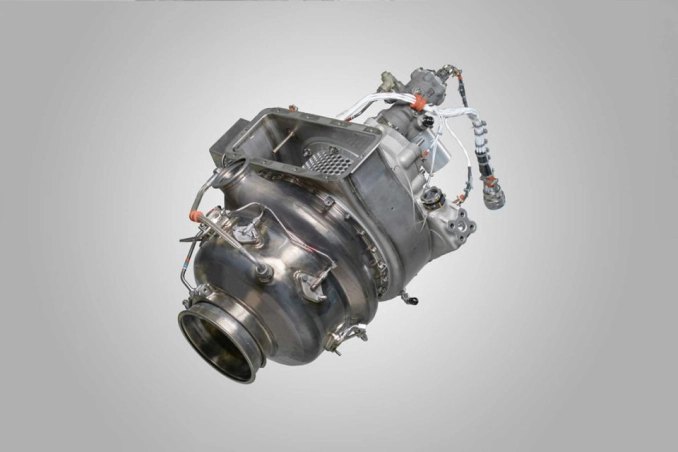
Across clean energy, smart buildings, and the skies above our cities, a generation of innovators is turning ambition into hardware, and hardware into a livable future. This Earth Day, we’re celebrating nine of them. Lunar Energy The Lunar System does something deceptively simple. It captures solar energy during the day, stores it in a home […]

Article

Simulation vs Reality in Hardware Development: Prototyping, Validation, and Iteration

Product engineering teams rely heavily on simulation tools to predict how a product will behave before it’s ever built. These tools make it possible to quickly explore design ideas and catch potential issues before they arise. Even the most advanced simulation, though, cannot perfectly predict real-world behavior—which is why simulation validation and structured prototyping are […]

Article

CNC vs Die Casting Qualification Scorecard 

Quick Evaluation Tool for Process Selection Compare die casting and CNC machining to determine the best process for your prototyping or production requirements. CNC vs Die Casting Scorecard Score each category from 0–2 based on your part requirements. Category 0 (CNC) 1 (Neutral) 2 (Casting) Your Score Production Volume <1,000 1,000–5,000 >5,000 012 Target Lead […]

Article

The CNC Periodic Table: A Visual Guide to the Core Elements of Machining

CNC machining involves far more than simply uploading a CAD model and cutting parts. Every part is shaped by the material, machine types, cutting tools, finishes, and design constraints that work together to determine cost, quality, and performance. To help engineers better understand these relationships, the Fictiv team created the CNC Periodic Table of Elements—a […]

Article

U.S. Tariff Updates 2025–2026: Latest Changes for Importers & Manufacturers

An ongoing log of major tariff changes and trade policy developments.

Article

High-Strength CNC Machining Materials: Selection, Trade-offs, and Design Considerations

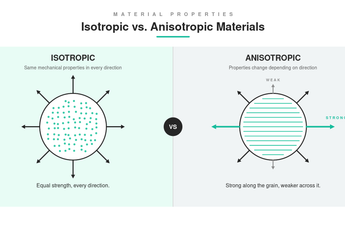
Material strength is a primary design factor directly linked to product performance. High-strength materials allow for smaller parts, thinner walls, higher load-bearing capacity, and greater resistance to deformation. More strongly bonded materials also withstand extreme operating conditions better without deformation or failure.   Material selection for CNC machining, though, is rarely as simple as selecting the […]

Article

Overmolding Materials Guide: Material Bond Compatibility

Overmolding is widely used to combine materials with different properties—such as rigid substrates and soft-touch elastomers—into a single component. Common examples include tool grips, seals, and consumer products like toothbrushes. However, successful overmolding depends heavily on material compatibility. Poor adhesion between materials can lead to delamination and part failure, making proper material selection and interface […]

Article

Manufacturing Process Cost & Lead Time Comparison 

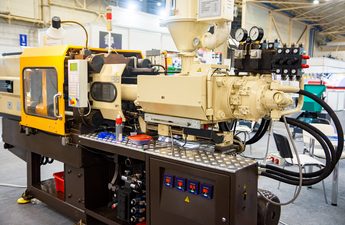
How to choose between CNC vs. Injection Molding vs. Sheet Metal vs. 3D Printing vs. Die Casting Finding the lowest-cost manufacturing process can be harder than you might think. Cost isn’t a static attribute of a part; it’s a dynamic variable influenced by volume, part geometry, speed to market, and many other factors. Industry data […]

Article

Material Selection for Medical Device Manufacturing: The Best Medical Grade and Biocompatible Options

Medical device materials must meet strict requirements for biocompatibility, sterilization compatibility, traceability, and regulatory documentation. Engineers selecting materials for medical device development must balance mechanical performance, manufacturability, cost, and regulatory compliance across the entire development lifecycle—from early prototypes to full-scale production.  Medical devices range from simple disposables to complex multi-material systems. This guide explains common […]

Article

Rugged Hardware Design for Harsh Environments: Materials, Sealing, and Reliability Strategies

Harsh environments call for rugged hardware. Just how rugged depends on the specific environmental conditions the product will face. Designing ruggedized hardware for unforgiving environments requires understanding the conditions a product will encounter in service and accounting for them before the design is finalized. Engineers must anticipate how temperature extremes, moisture, vibration, UV exposure, and […]