




Time to read: 12 min
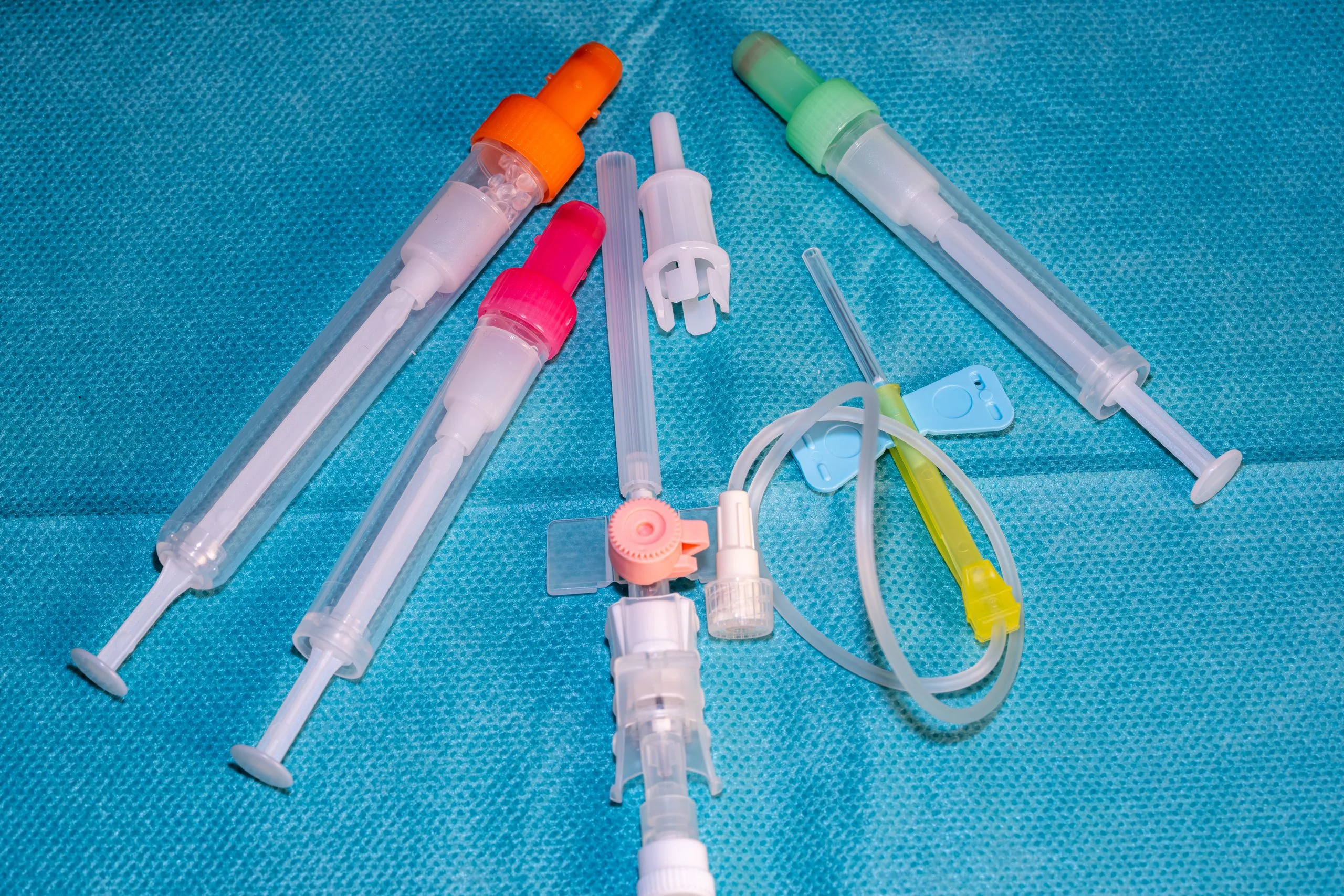
When a medical device program reaches the material selection stage, one of the first questions a supplier qualification team asks is whether the plastic components meet USP Class VI requirements. It is a familiar callout on drawings, RFQs, and supplier qualification forms across medical device, pharmaceutical packaging, and bioprocessing programs. Most molders and resin suppliers know exactly what it means. Too often, though, it gets treated as a yes/no checkbox. The decisions behind it, from resin grade to processing to documentation, determine whether a material holds up in a regulated application.
USP Class VI is a biocompatibility test classification for plastics, defined in United States Pharmacopeia (USP) chapter <88>. A material earns it by showing no significant biological reaction in three animal tests: systemic injection, intracutaneous injection, and implantation.
That is changing. USP eliminates the Class I–VI designations on December 1, 2026, and Class VI testing will no longer be available under USP. Existing Class VI data may still be used as historical evidence, and ISO 10993 is the framework for demonstrating biological safety in medical devices. This guide covers what a Class VI result does and does not tell you, what is changing, which plastics have Class VI data, how the manufacturing process affects biocompatibility, and what to specify going forward.
USP Class VI Requirements and Testing: What It Covers and What It Does Not
USP Class VI dates to the 1960s as the most stringent tier of a six-class system for plastics. Extracts of the material are injected into mice and rabbits, and samples of the material are implanted in rabbit muscle to assess systemic toxicity and local tissue reactions.
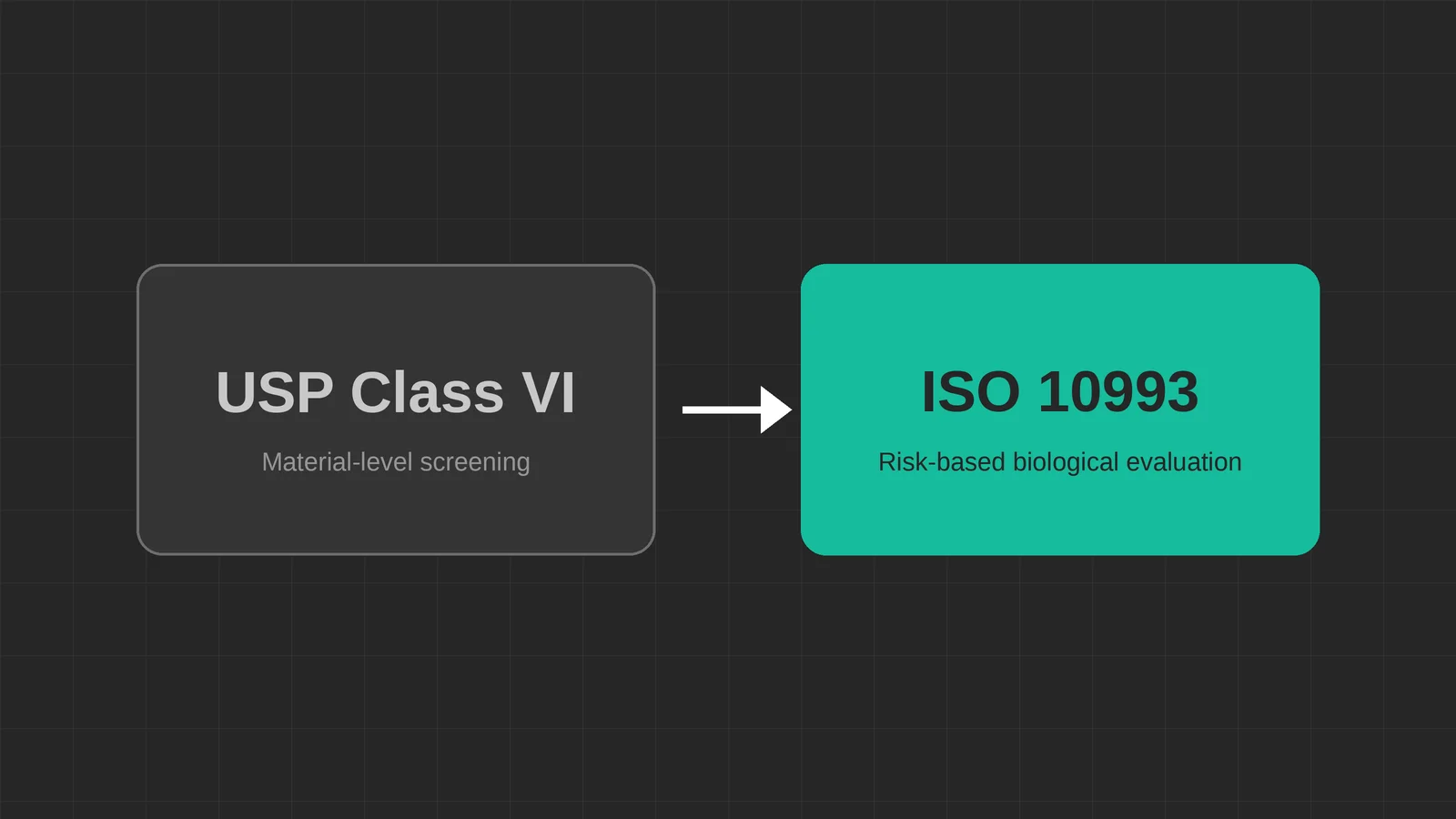
Class VI (sometimes written USP Class 6) is a material-level screening test, not a device-level biocompatibility assessment. It does not account for contact duration, tissue type, or clinical use, and it does not address sensitization, genotoxicity, or chemical characterization. Cytotoxicity is covered separately under USP <87>. Regulators and notified bodies expect biological evaluation within the ISO 10993 framework, so Class VI data alone has generally not been considered sufficient for most device submissions.
Class VI data also applies only to the specific formulation that was tested. A polypropylene from one resin supplier may have Class VI data while a different or comparable grade from another supplier may not. Adding a glass fill, flame retardant, or colorant creates a new compound that needs its own evidence. Suppliers typically state that a grade “passed” or “meets” Class VI. USP does not certify materials, so request the test report, not only a datasheet line.
USP Class VI Is Being Retired: What Changes on December 1, 2026
Published industry summaries of the revisions to USP <88> and <87> describe these coming changes:
- Class designations: Classes I through VI will be eliminated, including Class VI.
- USP <88> scope: The chapter will be limited to systemic injection testing. The intracutaneous and implantation tests will be removed.
- USP <87>: Cytotoxicity testing remains. Additional endpoints, including irritation and genotoxicity, are being incorporated, and lower-sensitivity methods such as agar diffusion are being phased out.
- Where <88> still applies: Primarily pharmaceutical packaging and certain combination products. For most medical device components, it will no longer be the main framework for showing biological safety.
Existing Class VI data will not become invalid. Testing performed to the requirements in force at the time is expected to remain acceptable as historical evidence. Whether a specific customer, notified body, or FDA reviewer accepts it for a given submission is their decision, so confirm acceptance for your program.
USP <88> is not replacing Class VI one-for-one. The industry is moving toward application-specific, risk-based evaluation under ISO 10993, supported by chemical characterization, toxicological risk assessment, and in vitro methods in place of generalized animal testing.
USP Class VI vs. ISO 10993: Specifying Biocompatibility Evidence
ISO 10993-1:2018 sets the required endpoints by the nature of body contact (surface-contacting, externally communicating, or implant) and its duration (limited, up to 24 hours; prolonged, 24 hours to 30 days; or long-term, over 30 days). FDA device class determines your regulatory pathway, such as 510(k) or Premarket Approval (PMA), but it does not set the endpoints. Depending on contact, the evaluation may include cytotoxicity (ISO 10993-5), sensitization (10993-10), irritation (10993-23), genotoxicity (10993-3), implantation (10993-6), chemical characterization (10993-18), and toxicological risk assessment (10993-17).
The standard itself has also been revised. ISO 10993-1:2025, the sixth edition, was published in November 2025. It is restructured around ISO 14971 risk management, changes how exposure duration is counted, and reorganizes the evaluation tables. FDA has reportedly recognized it partially, with a transition period for declarations of conformity to the 2018 edition.
Update Your Specification Language
Replace “USP Class VI” with a requirement for supplier test data that supports an ISO 10993 evaluation for your contact category and duration. Treat Class VI data as supporting evidence for legacy materials.
Start the Biological Risk Assessment Early
For a 510(k) or PMA, begin the assessment early and use it to decide which tests your materials, processes, and contact conditions require.
Plan for Existing Drawings
Existing drawings that call out “USP Class VI compliant” can be updated at their next revision. When the material, grade, or supplier changes, reference ISO 10993-based evidence, since new Class VI testing will no longer be available.
Plastics With Existing USP Class VI Data
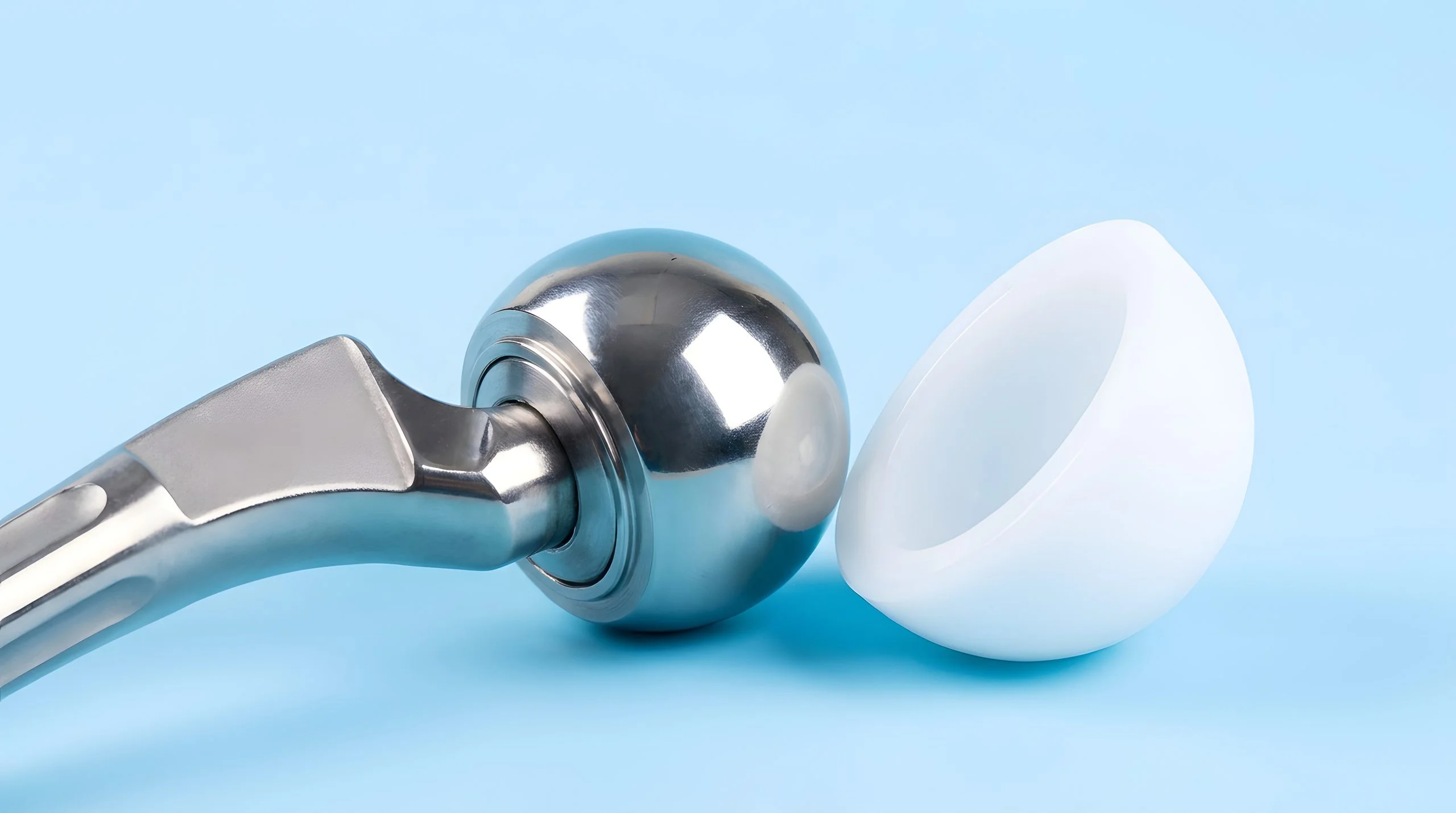
These material families commonly have grades with Class VI data. Verify the specific grade and supplier before specifying. The sterilization notes are general tendencies, so confirm them against the grade datasheet.
| Material | Sterilization tendencies | Key Limitations | Typical uses |
| Polypropylene (PP) | Steam (grade-dependent), EtO; gamma needs a radiation-stabilized grade | Degrades under gamma if unstabilized | IV connectors, pipette tips, living hinges |
| Polycarbonate (PC) | EtO, gamma; repeated steam can degrade | Chemical attack from some disinfectants | Fluid-path parts, housing windows |
| PEEK | Steam, EtO, gamma | Cost; demanding to process | Surgical instruments, structural components |
| Liquid silicone rubber (LSR) | Steam, EtO, gamma | Specialized tooling; implant use needs implant-grade formulations | Seals, skin-contact parts |
| Polyethylene (HDPE, UHMWPE) | EtO, gamma; HDPE is a poor fit for steam | HDPE has low heat resistance; UHMWPE is machined, not injection molded | Caps, closures, packaging; bearing and wear components |
| Acetal (POM) | EtO; gamma generally poor | Formaldehyde release if overheated | Valves, connectors, mechanisms |
See more guidance for medical device material selection.
Manufacturing Process and Biocompatibility Risk
Specifying a resin with supporting biocompatibility data is necessary but not sufficient. The process can compromise it through contamination or uncontrolled parameters.
Injection Molding
Injection molding is the primary process for production volumes. Mold release agents, purging compounds, regrind, and cross-contamination from other materials can all affect a medical resin, so confirm how the molder controls them for medical programs. Cleanroom molding (ISO 14644-1 Class 7 or 8) is common for parts with direct patient contact or fluid-path exposure, but requirements depend on the device. Process validation (IQ/OQ/PQ) should establish the parameter windows that production holds. A pilot production run can help confirm those windows before you scale.
3D Printing
FDM is generally a poor fit for biocompatible applications because layer interfaces create porosity and rough surfaces that trap contaminants and resist cleaning and sterilization. Powder-bed processes such as SLS also produce porous, rough surfaces, so they need documented cleaning. Biocompatibility claims for printed parts apply to the combination of material, printer, process parameters, and post-processing, not to the resin or powder alone. SLS and SLA in documented materials suit prototyping and low volumes. Injection molding is typically the better route for production volumes of biocompatible parts.
CNC Machining
Machining from medical-grade stock such as PEEK, acetal (Delrin), or UHMWPE suits prototypes, custom parts, and volumes that don’t justify mold tooling. Cutting fluid residue, tool contamination, and machining debris can compromise a qualified material, so require biocompatible fluids or a documented cleaning protocol, and keep stock traceability through the job. See our CNC machining for medical devices article.
Documentation and Traceability for Medical Resins
Know what documentation your supplier must provide before you place an order.
Resin Documentation
Request the grade, lot number, manufacturer, and the biocompatibility test report or a reference to a master file where available. A mechanical datasheet is not enough.
Lot Traceability
ISO 13485 requires documented traceability procedures, with the broadest scope for implantable devices. 21 CFR Part 820, the Quality Management System Regulation (QMSR) in effect since February 2, 2026, incorporates ISO 13485:2016 by reference. Your molder should link finished-part lots to resin lots.
Processing Records
Melt temperature, injection pressure, cycle time, and post-processing should be recorded for each batch against the validated window. A scientific molding approach, which sets process parameters from measured data, helps define that window and keep it repeatable.
Change Control
A change in resin supplier, grade, colorant, or processing parameters after qualification needs formal review and may require new testing. Resin suppliers can change formulations, so seek a change-notification agreement.
Supplier Qualification
Verify that the molder or machine shop holds ISO 13485 certification covering the relevant process.
Not sure what material documentation your program needs? Talk to our team.
What to Do Now If Your Program References USP Class VI
With the Class VI designation ending December 1, 2026, these steps help you keep up with the change:
- Audit your drawings. List every drawing that calls out “USP Class VI.” They don’t all need immediate revision, but they need to be on a list.
- Confirm existing Class VI data is on file. Obtain and retain the test reports for your materials. New Class VI testing will no longer be available under USP.
- Identify your ISO 10993 contact category and duration. This determines which endpoints your biological evaluation needs to address. If it isn’t documented, start there, and begin the risk assessment early for a 510(k) or PMA.
- Review your supplier agreements. Class VI data applies only to the tested formulation, so a resin formulation change can invalidate it for the new grade. Seek written change-notification agreements.
- Update drawing language at the next revision. Replace “USP Class VI” with the resin grade, the supplier, and a requirement for ISO 10993-based biocompatibility evidence for your contact category and duration.
Next Steps for Your Medical Program
Material documentation failures that slow medical device programs down rarely happen at the drawing stage. They often occur when a program is already in tooling and someone realizes the resin lot on the shelf isn’t the grade that was qualified, or the molder changed a supplier six months ago and nobody flagged it. By the time it surfaces, the fix is expensive. The right time to get the documentation requirements right is before the first tool cut.
Upload your CAD and get a DFM review on your medical device parts before you commit to a material or tooling. Fictiv supports programs from prototype through production with injection molding, CNC machining, and 3D printing.
Talk to a Fictiv expert about your project, or upload your parts to start a free quote.
FAQs About USP Class VI
What is USP Class VI?
USP Class VI is a biocompatibility classification for plastics defined in USP <88>. It requires a material to show no significant biological reaction in three animal tests: systemic injection, intracutaneous injection, and implantation. It is a material-level screening result for a specific formulation, not a device-level biocompatibility assessment. USP will eliminate the Class I–VI designations on December 1, 2026.
Is USP Class VI data still valid after December 1, 2026?
Existing Class VI test data is expected to remain acceptable as historical evidence if testing followed the requirements in place at the time. The designation itself will be eliminated, so new testing will no longer be offered under it. Whether a customer or regulator accepts legacy data for a specific submission is their decision, so confirm acceptance for your program.
How does USP Class VI differ from ISO 10993?
Class VI is a material-level animal-test screen. ISO 10993-1 is a risk-based framework that sets biological endpoints from the nature and duration of body contact for a finished device. It can include cytotoxicity, sensitization, irritation, genotoxicity, chemical characterization, and toxicological risk assessment. Class VI data supports an ISO 10993 evaluation but does not replace it.
Which manufacturing process is best for biocompatible plastic parts?
Injection molding is typically the best fit for production volumes, with cleanroom capability for direct-contact parts. CNC machining suits prototypes and low volumes in medical-grade stock. 3D printing in documented materials suits prototyping, but porous surfaces and process-specific biocompatibility claims limit its use in production. Any process needs documented cleaning, traceability, and validated parameters.
What should I specify on new drawings instead of “USP Class VI”?
Specify the resin by supplier and grade, and require supplier test data that supports an ISO 10993 evaluation for your contact category and duration. List Class VI data only as supporting evidence for legacy materials. Add requirements for lot traceability and change notification so formulation changes are reviewed before they reach your parts.